
The Battle of Anghiari — History & Facts
No painting by Leonardo da Vinci has been so shrouded in mystery and loss as The Battle of Anghiari. Commissioned in 1503 to decorate the Hall of Five Hundred in Florence’s Palazzo Vecchio, this mural was intended to celebrate the Florentine victory over Milan on 29 June 1440. Yet, despite months of feverish work and the admiration of contemporaries, the painting vanished almost as soon as it was begun.
Giorgio Vasari, writing decades later, lamented: "Leonardo began it in the hall, but the work was left unfinished, and what little was done has been ruined." At the heart of The Battle of Anghiari is the furious struggle for a standard, a moment when Florentine and Milanese soldiers clash in a tangle of armor, horses, and desperate faces. Leonardo chose the instant of greatest chaos: four men, locked in combat, their expressions twisted with effort, hands gripping weapons and reins. The whirling energy of the scene is heightened by the intricate play of limbs and the wild-eyed horses, their nostrils flaring.
Leonardo’s focus on anatomy and movement sets this depiction apart from earlier, more static battle scenes, such as those by Paolo Uccello. Here, the violence is not abstract but immediate, the sweat and strain of battle rendered with a physicality that would influence generations of artists. The original mural has not survived; only preparatory sketches and later copies, most notably by Peter Paul Rubens, give us a sense of its impact. Technical problems with Leonardo’s experimental painting technique—using oil on dry plaster—caused the work to deteriorate rapidly, and Vasari’s later renovations may have covered or destroyed what remained.
Despite its disappearance, The Battle of Anghiari became legendary, known through copies and descriptions as a pinnacle of Renaissance battle painting. Today, its ghost lingers in the Palazzo Vecchio, a lost masterpiece that continues to fascinate scholars and artists alike, a testament to both Leonardo’s ambition and the fragility of artistic legacy.
More Artworks by Leonardo da Vinci

Sheet of Studies
Leonardo da Vinci
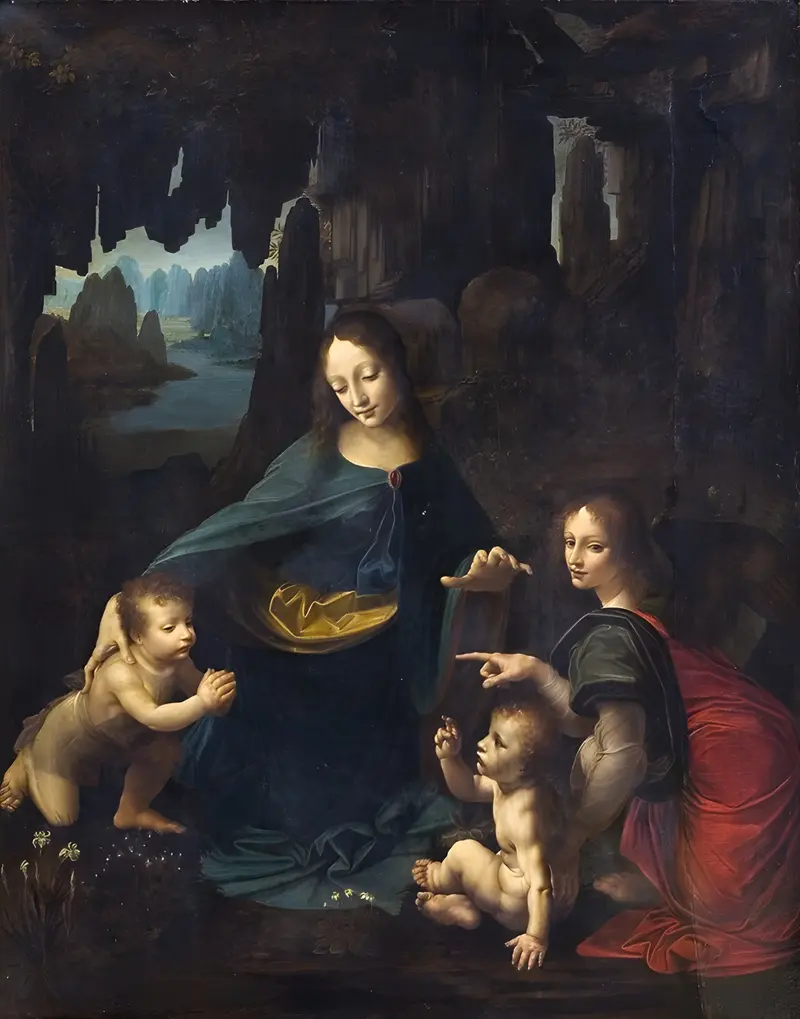
The Virgin of the Rocks
Leonardo da Vinci
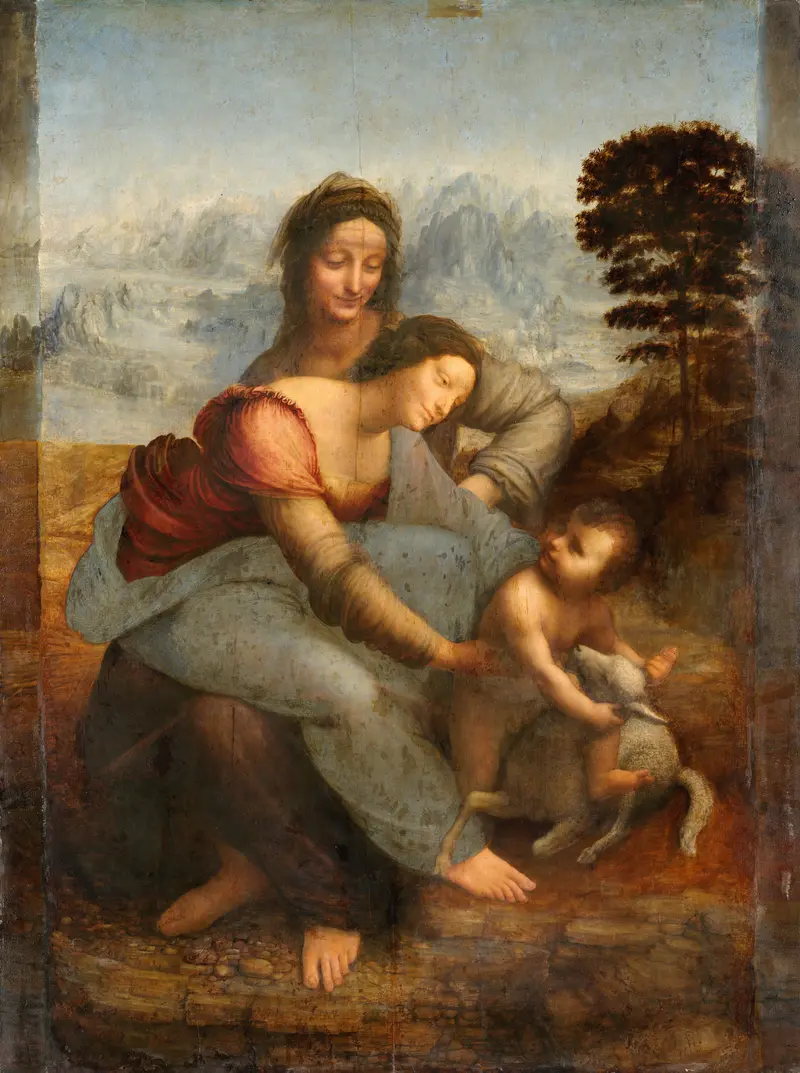
The Virgin and Child with St. Anne
Leonardo da Vinci
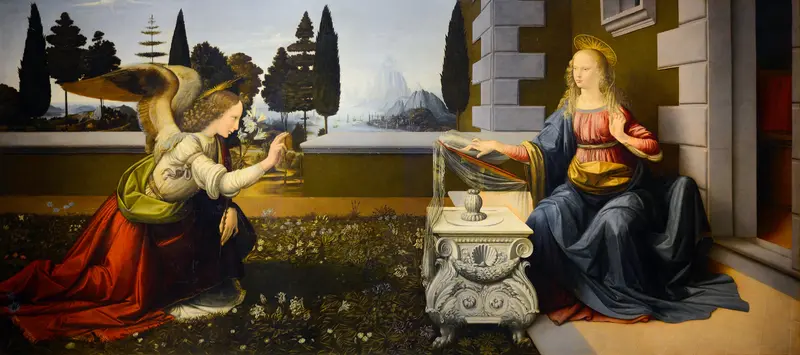
Annunciation
Leonardo da Vinci
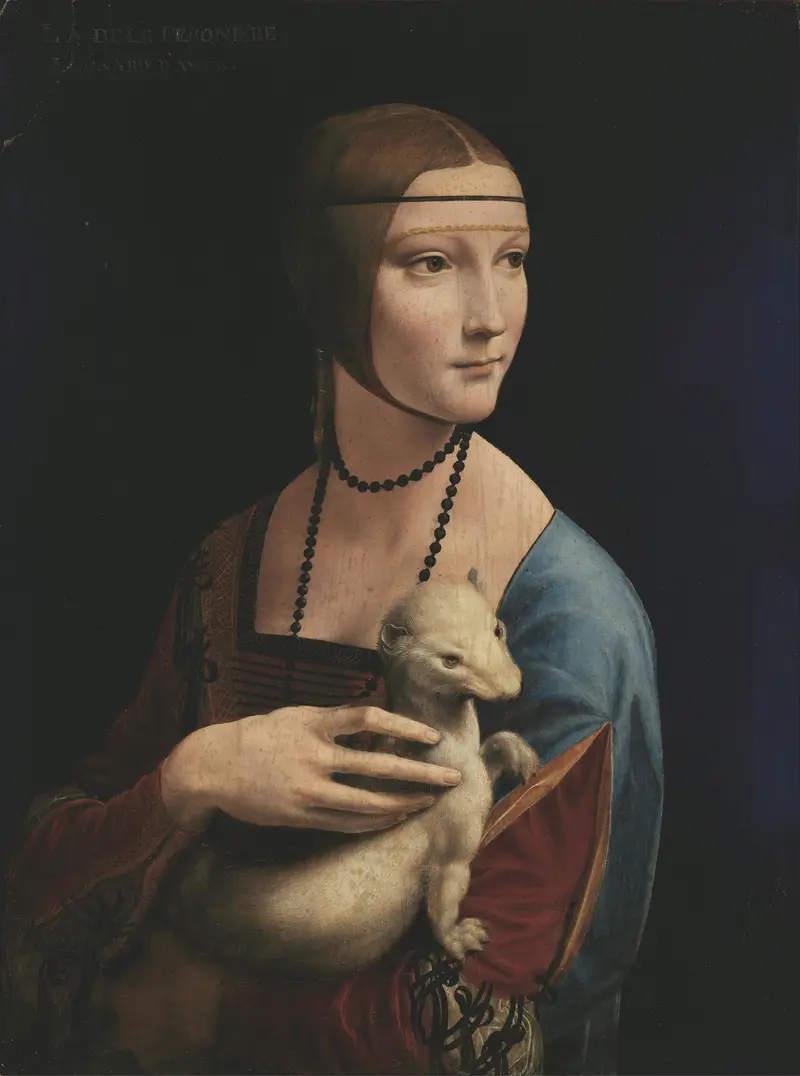
Lady with an Ermine
Leonardo da Vinci
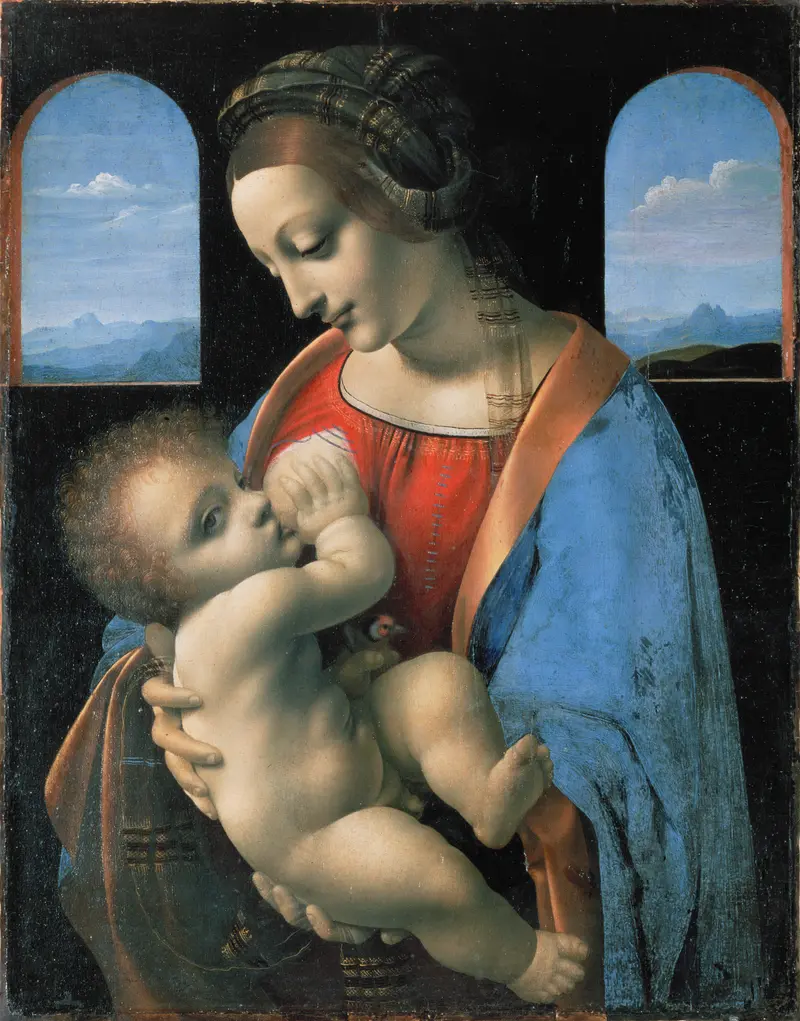
Madonna Litta
Leonardo da Vinci
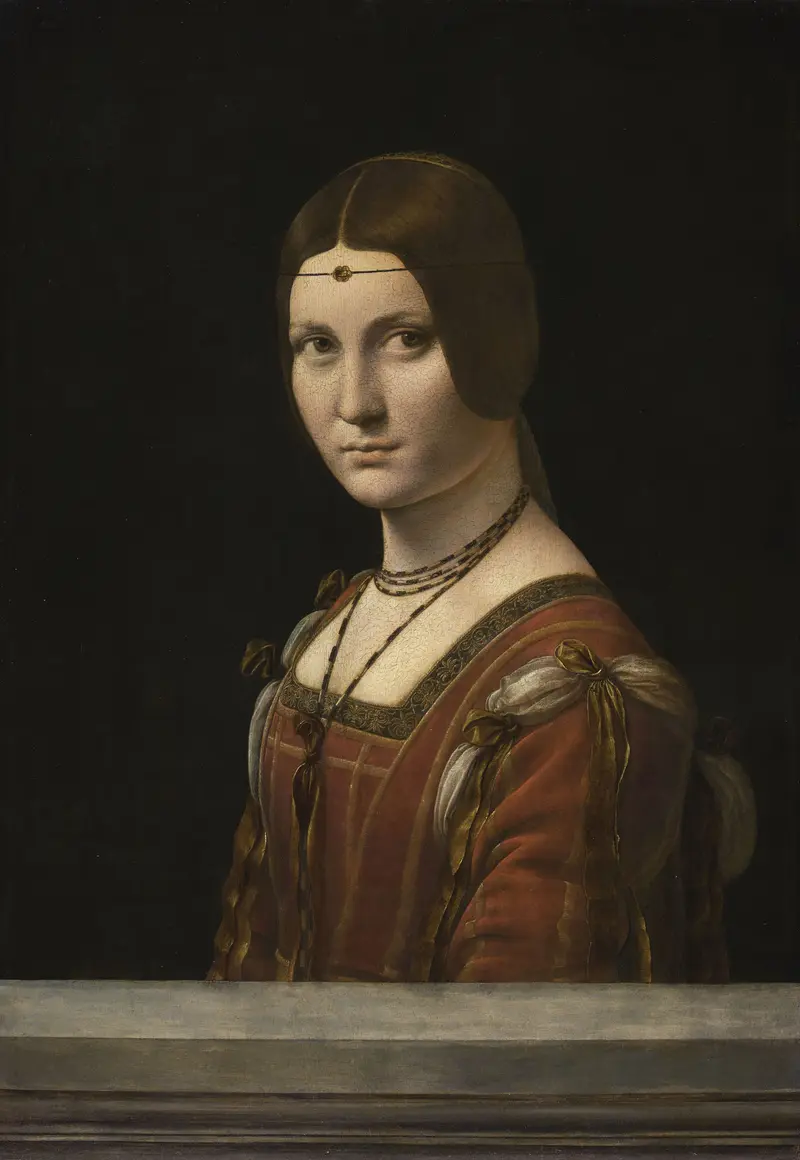
La Belle Ferronnière
Leonardo da Vinci
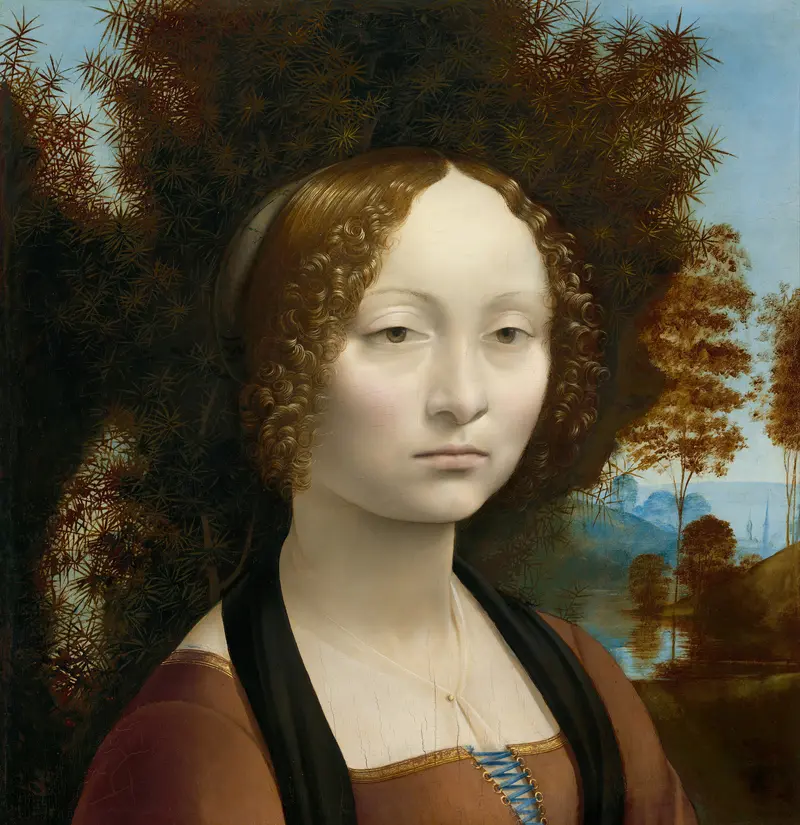
Ginevra de' Benci
Leonardo da Vinci
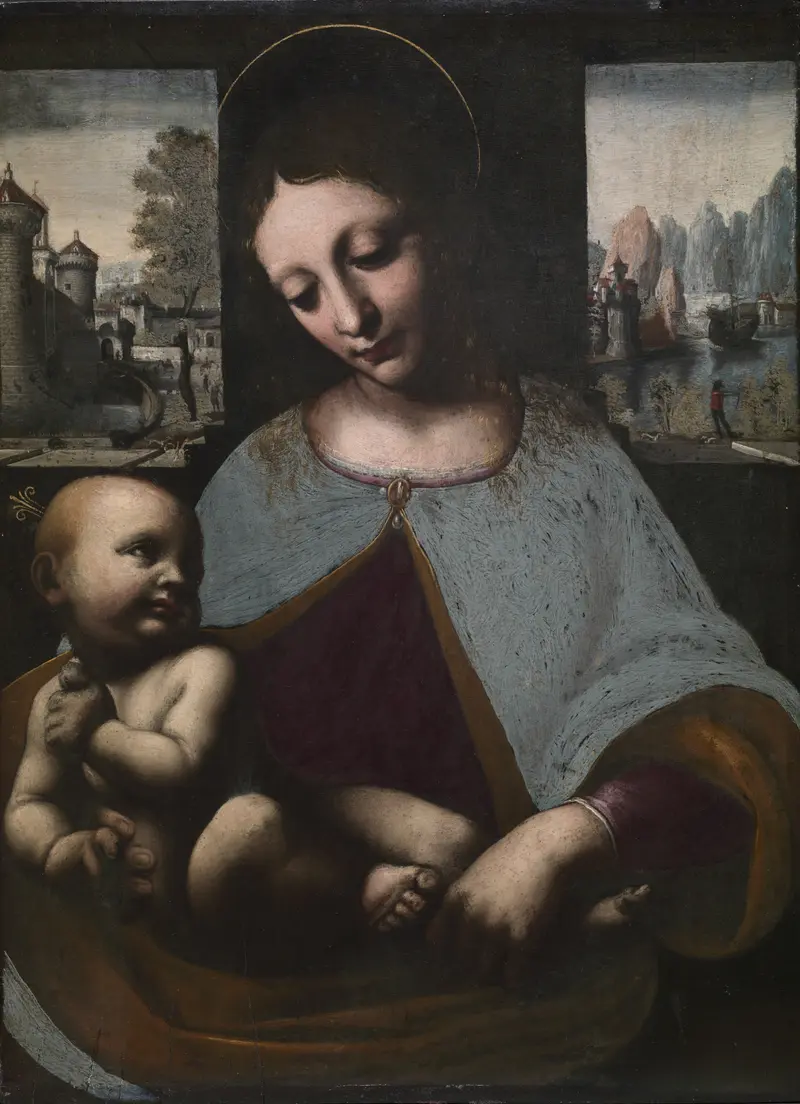
Virgin and Child
Leonardo da Vinci

Head of an Old Man, and Studies of Machinery
Leonardo da Vinci





