
The Binning Children — History & Facts
No other portrait by Sir Henry Raeburn has generated as much debate among scholars as The Binning Children. The identities of the two young sitters, and even the exact date of the painting, remain uncertain—a rare enigma in Raeburn’s otherwise well-documented Scottish oeuvre. Some believe the children are members of the Binning family, minor Scottish gentry, while others suggest they may be Raeburn’s own relatives or even pupils.
The absence of any commission records or contemporary references only deepens the mystery, making this painting a touchstone for discussions about attribution and patronage in late Georgian portraiture. The scene captures two children, side by side, their gazes fixed on something just beyond the canvas—a moment suspended between curiosity and composure. The older child’s protective arm encircles the younger, whose hands clutch a small object, perhaps a toy or keepsake, hinting at the intimacy of their bond. Raeburn’s soft, natural light falls across their faces, illuminating the delicate textures of their clothing and the subtle play of emotion.
Unlike the formality of Thomas Lawrence’s child portraits, Raeburn’s approach here is more relaxed, his brushwork looser, suggesting a private world rather than a public display. The background, muted and indistinct, serves to focus all attention on the children themselves. The physical history of The Binning Children is as enigmatic as its subjects. Without clear records of its early provenance, the painting’s journey can only be traced with certainty from the late nineteenth century, when it surfaced in a Scottish private collection.
Since then, it has passed through several hands, occasionally misattributed or listed as “circle of Raeburn” in auction catalogues, before being definitively recognized as his work by stylistic analysis. Today, it hangs in a public gallery, admired for its quiet psychological insight and its place among Raeburn’s portraits of youth—an exceptional example of his ability to capture both likeness and the fleeting moods of childhood.
More Artworks by Sir Henry Raeburn

Portrait of Hugh Hope
Sir Henry Raeburn
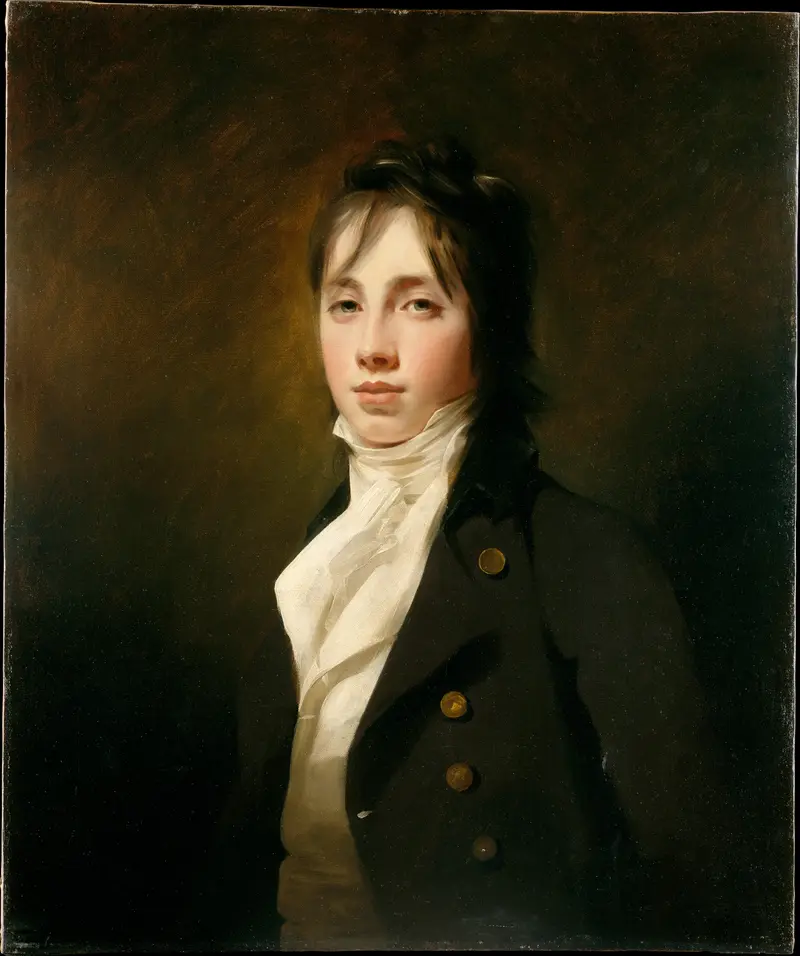
William Fraser of Reelig (1784–1835)
Sir Henry Raeburn
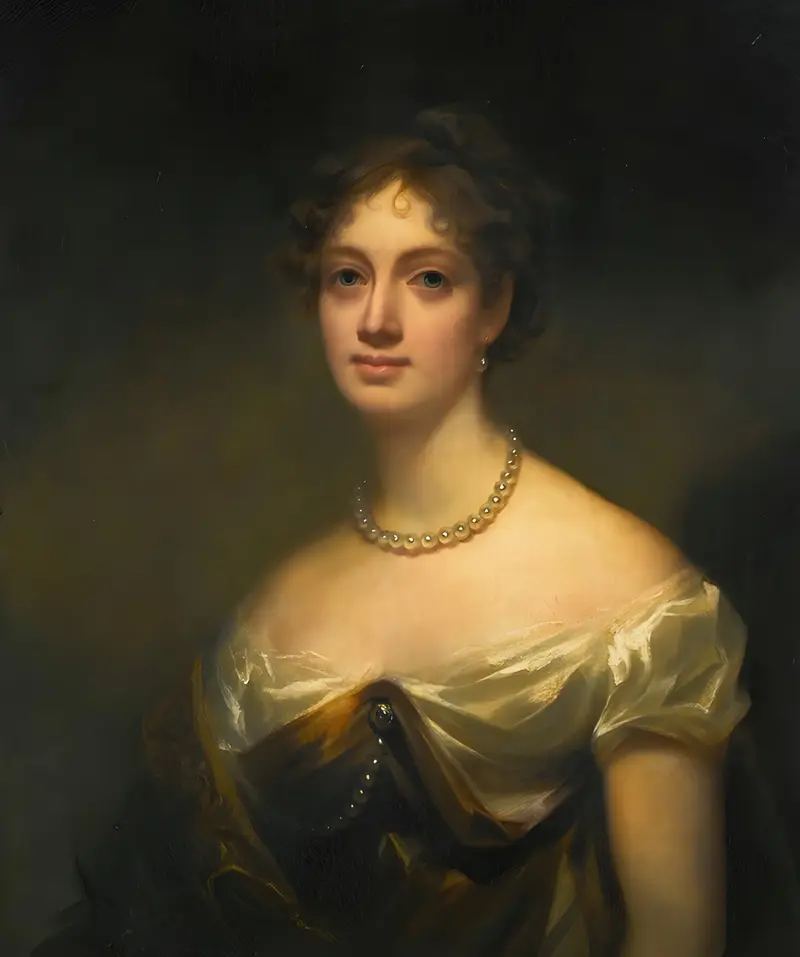
Portrait Of Anne Blair Maconochie Welwood Of Garvock, Lady Meadowbank (1784–1866)
Sir Henry Raeburn
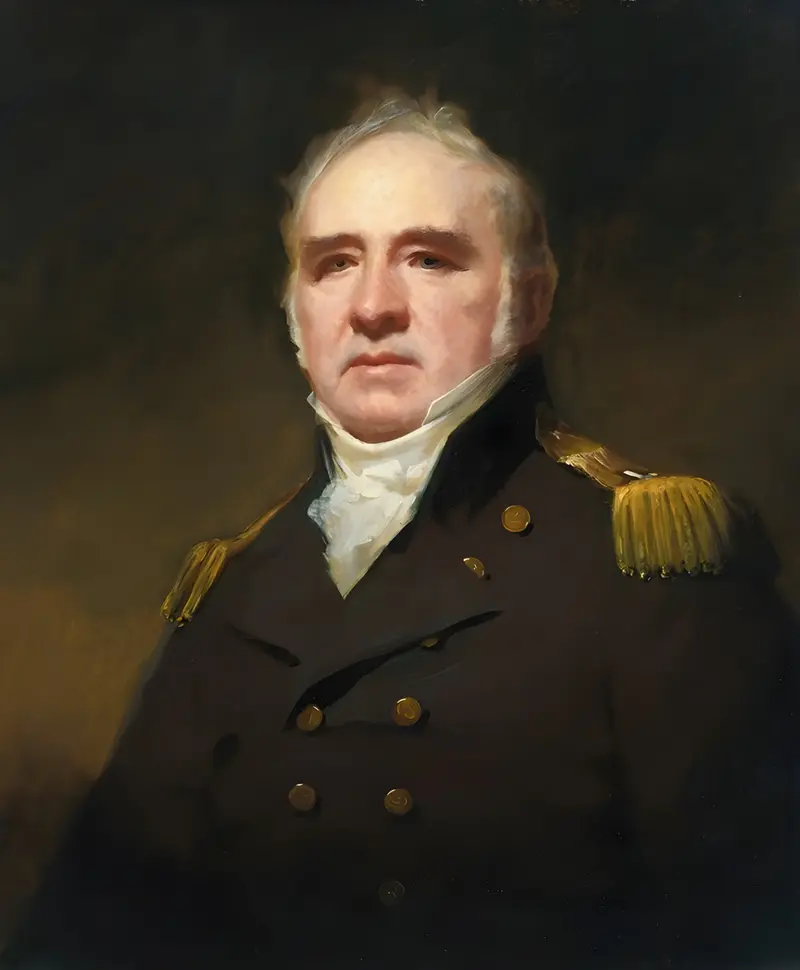
Portrait Of Captain James Forbes-Drummond, R.N., Of Hawthornden
Sir Henry Raeburn
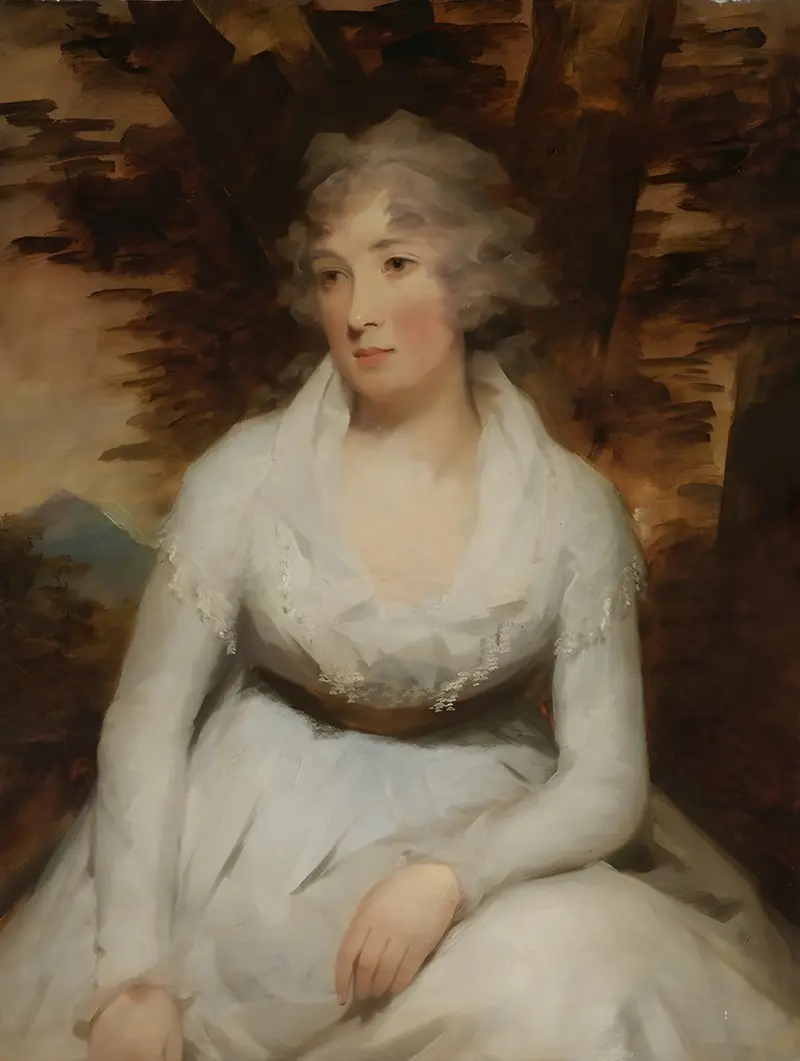
Miss Elizabeth Dalrymple (afterwards Mrs. George Leith)
Sir Henry Raeburn
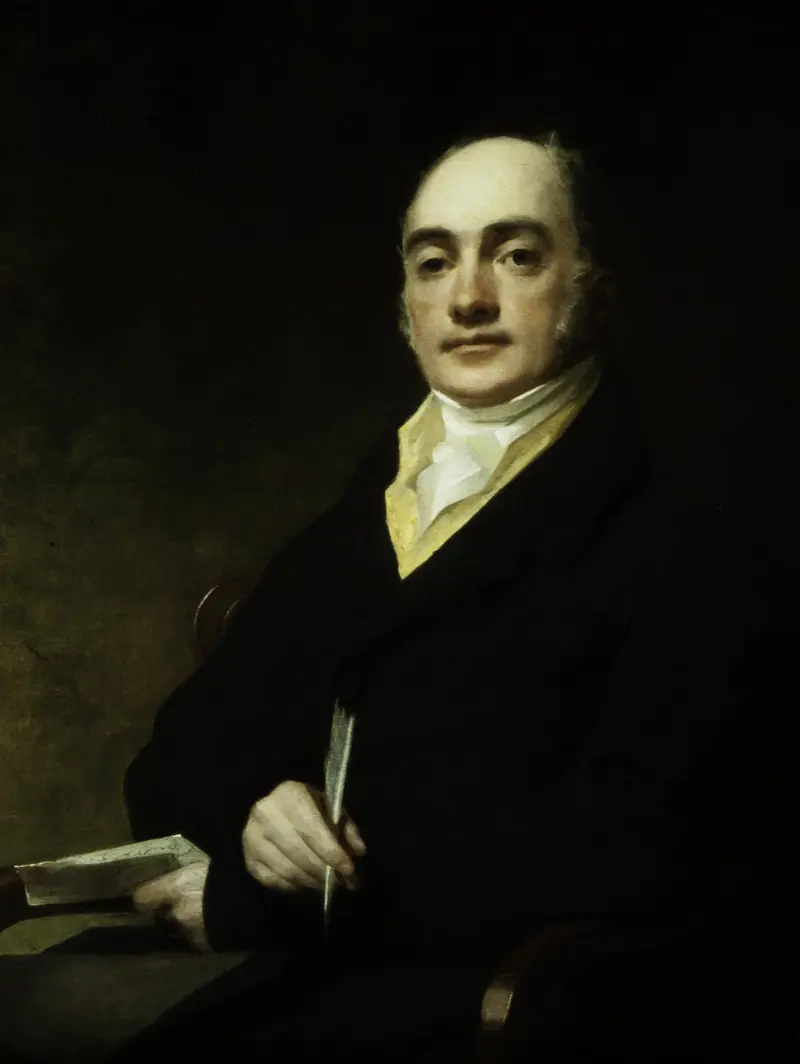
Portrait of John Baillie (1772-1833)
Sir Henry Raeburn
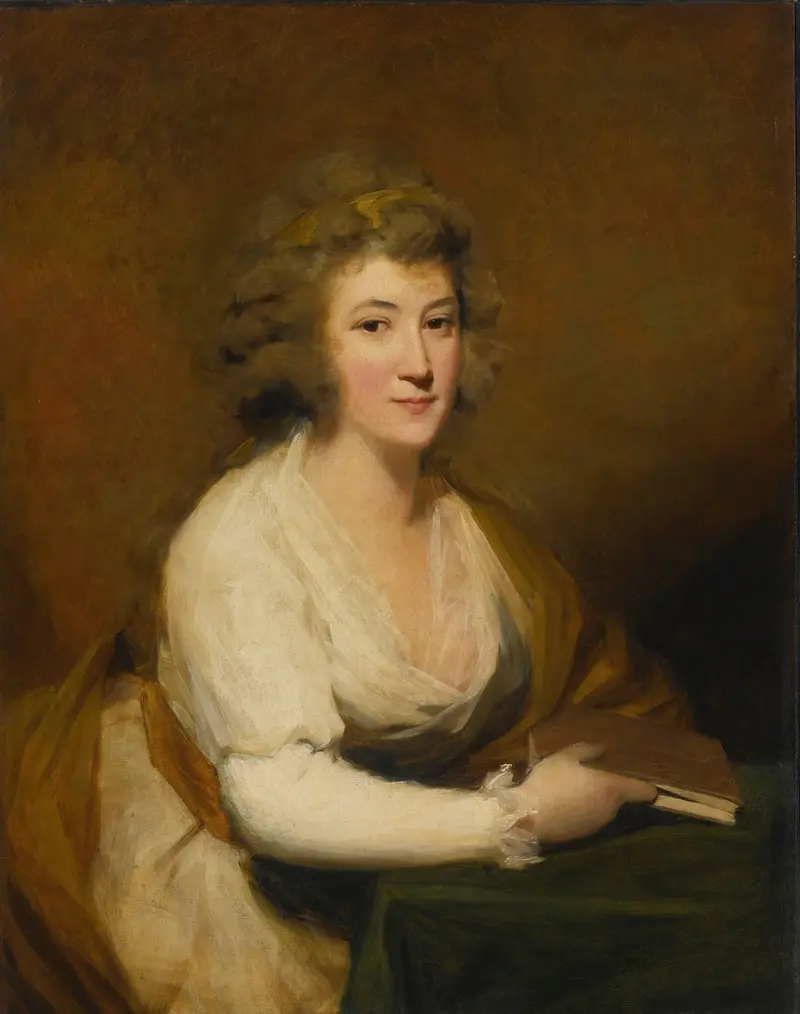
Portrait Of Lady Nasmyth, In A White Dress And Brown Shawl, Seated At A Table, Holding A Book
Sir Henry Raeburn
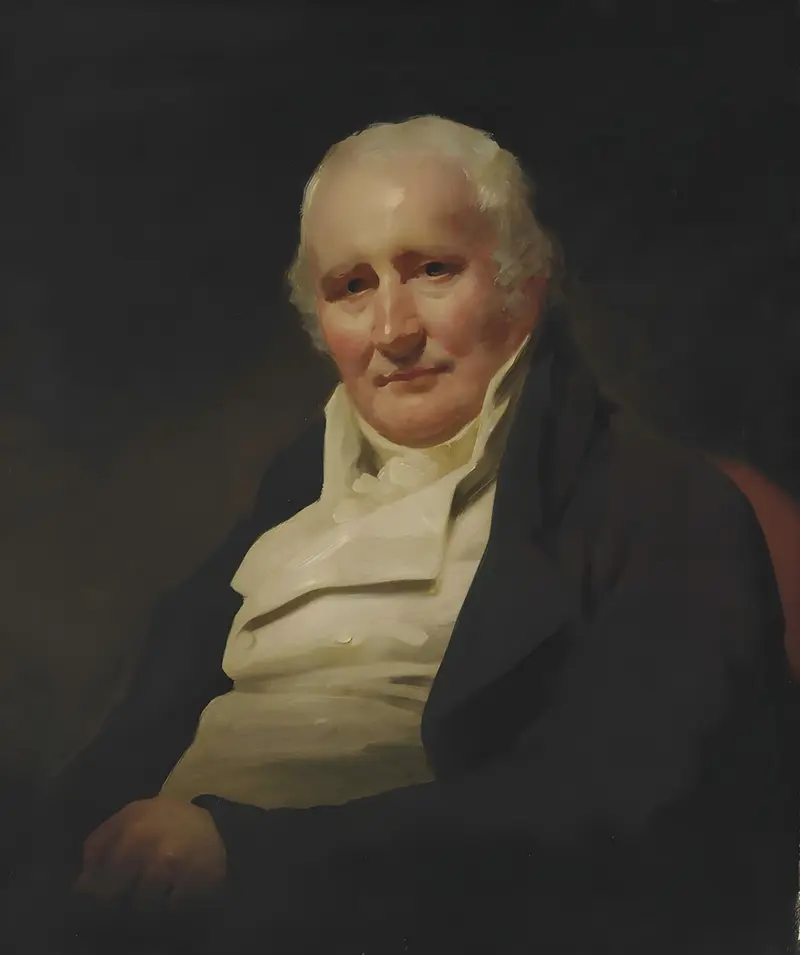
Portrait Of Mr. Spottiswood
Sir Henry Raeburn
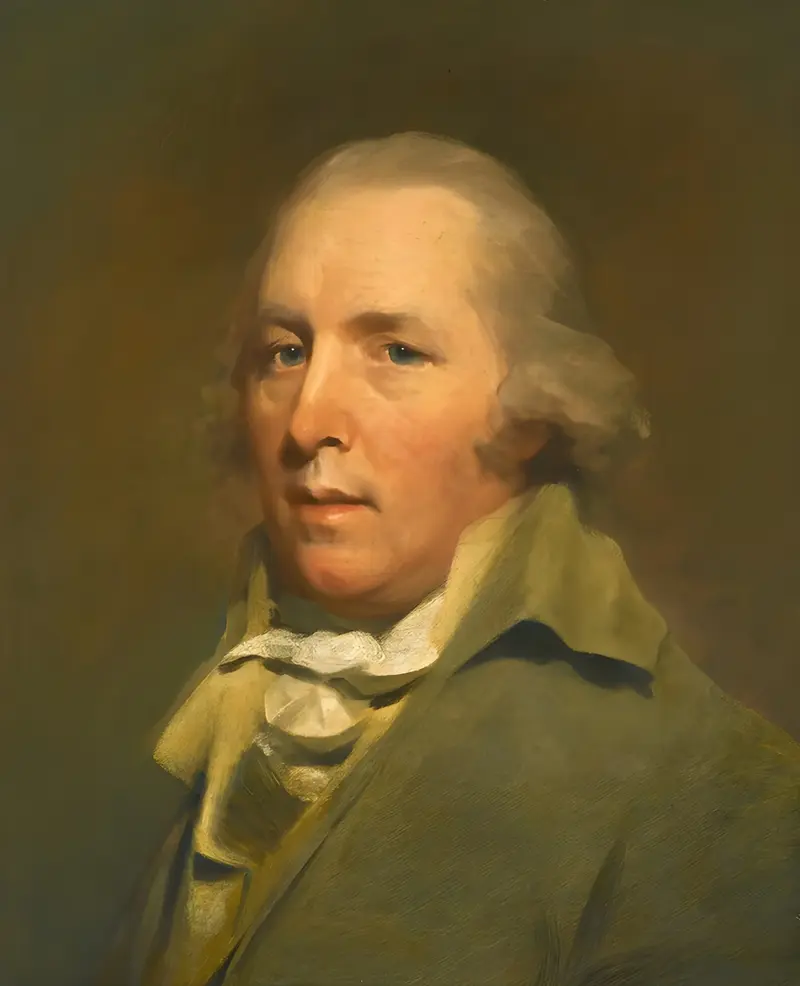
Portrait Of The Reverend John Home (1722-1808)
Sir Henry Raeburn
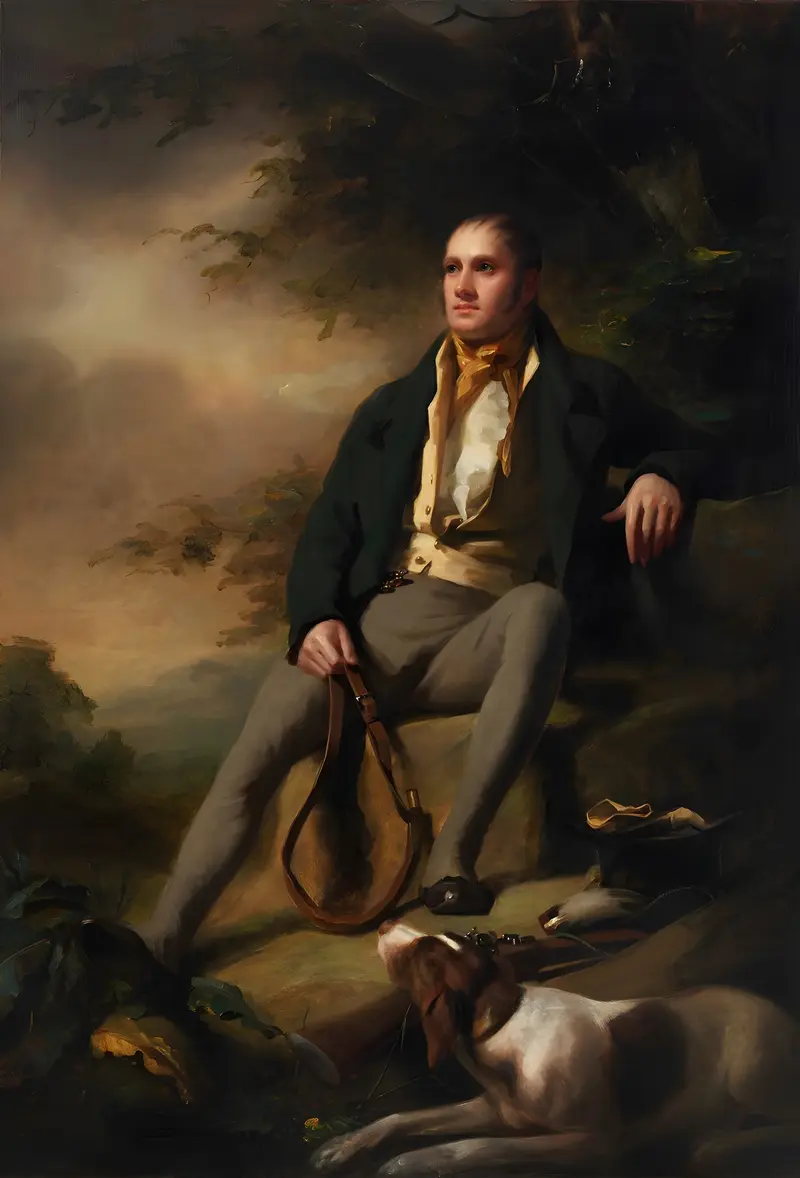
Portrait of William Hunt (c.1796-1854), Pittencrief House, Dunfermline
Sir Henry Raeburn





