
The Entombment — History & Facts
When Giotto di Bondone painted The Entombment around 1320, he was at the height of his fame, transforming the very language of Western painting. The most striking fact about this work is how it stands as a rare surviving panel from a period when large-scale fresco cycles dominated — and yet, it distills the emotional gravity of an entire chapel wall into a single, concentrated scene. While many versions of the Entombment exist from this era, few capture such a direct, human sorrow, and fewer still are attributed with confidence to Giotto, whose reputation was so great that Dante himself called him the painter who "outshone Cimabue." The painting captures the moment after Christ’s crucifixion, as his followers lower his body into the tomb.
Mary Magdalene kneels at Christ’s feet, her hands wrapped around them in a gesture of grief and devotion, while the Virgin Mary collapses toward her son, supported by other mourners. The rocky landscape presses close, focusing the eye on the tangle of hands and faces — each figure locked in a private world of mourning. Unlike the more formal compositions of Duccio or the distant, golden icons of earlier centuries, Giotto brings the scene down to earth: the mourners’ bodies curve inward, their gazes and gestures forming a circle of loss and love.
The stark, almost sculptural drapery and the weight of the figures signal a new realism that would echo through the Renaissance. The precise origins of The Entombment are still debated; its original location and patron remain uncertain, as is the case with many panel paintings from Giotto’s late career. Some scholars believe it may have been part of a larger altarpiece or narrative cycle, possibly commissioned for a church in Florence or Padua. Over the centuries, the panel has survived periods of neglect and changing tastes, its attribution occasionally questioned but now widely accepted thanks to stylistic analysis and comparison with Giotto’s authenticated works.
Today, it stands as a testament to a turning point in European art, when painters began to see not just the divine, but the deeply human, in their sacred stories.
More Artworks by Giotto di Bondone
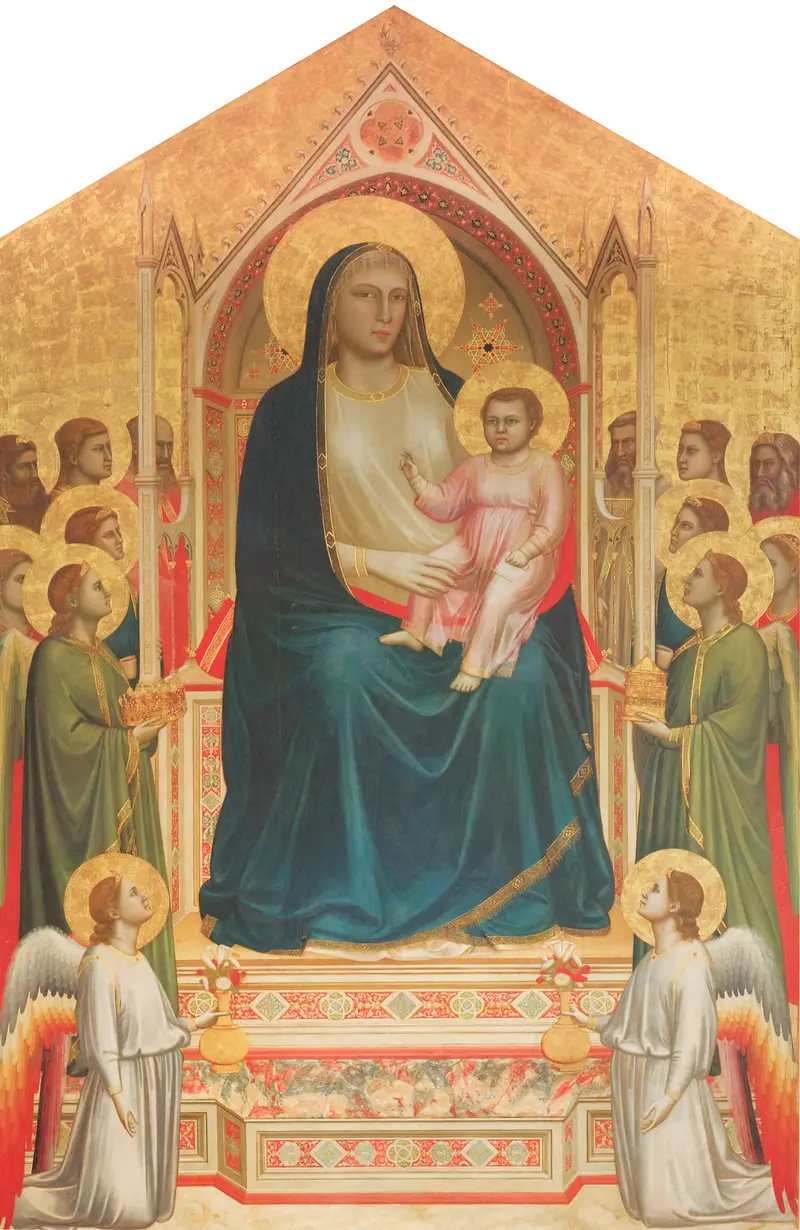
Ognissanti Madonna
Giotto di Bondone
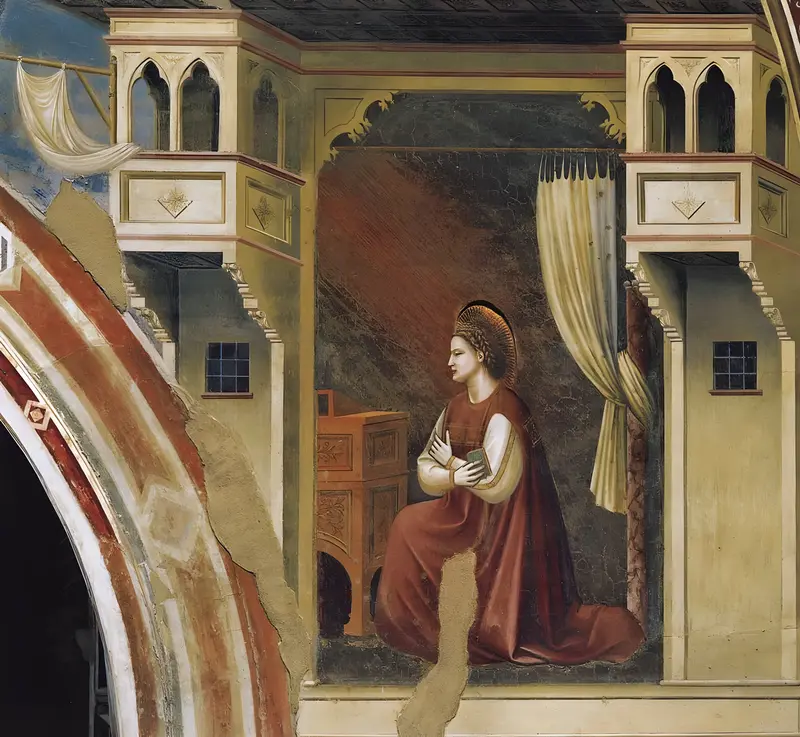
The Virgin of the Annunciation
Giotto di Bondone
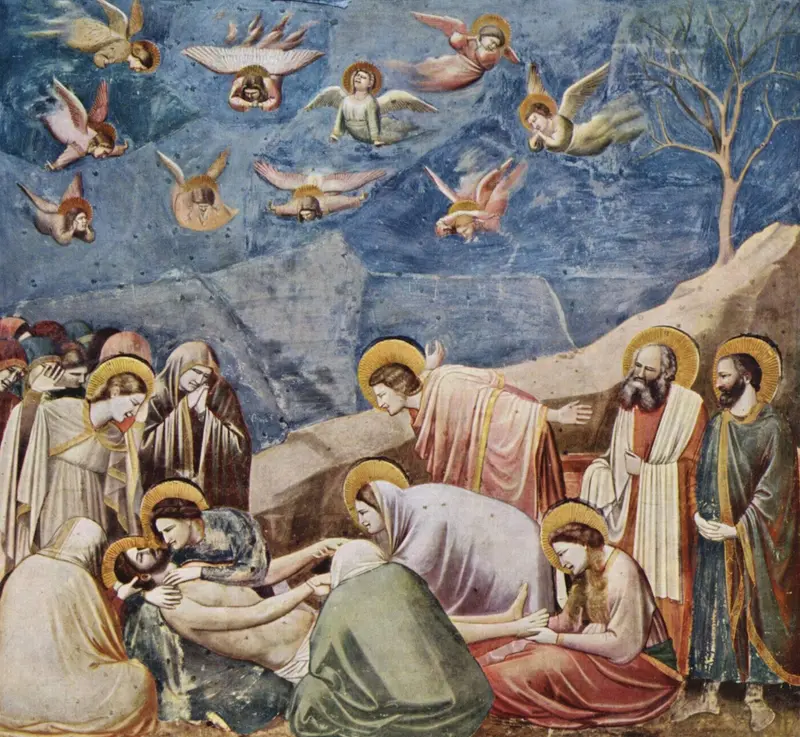
Lamentation (The Mourning of Christ)
Giotto di Bondone
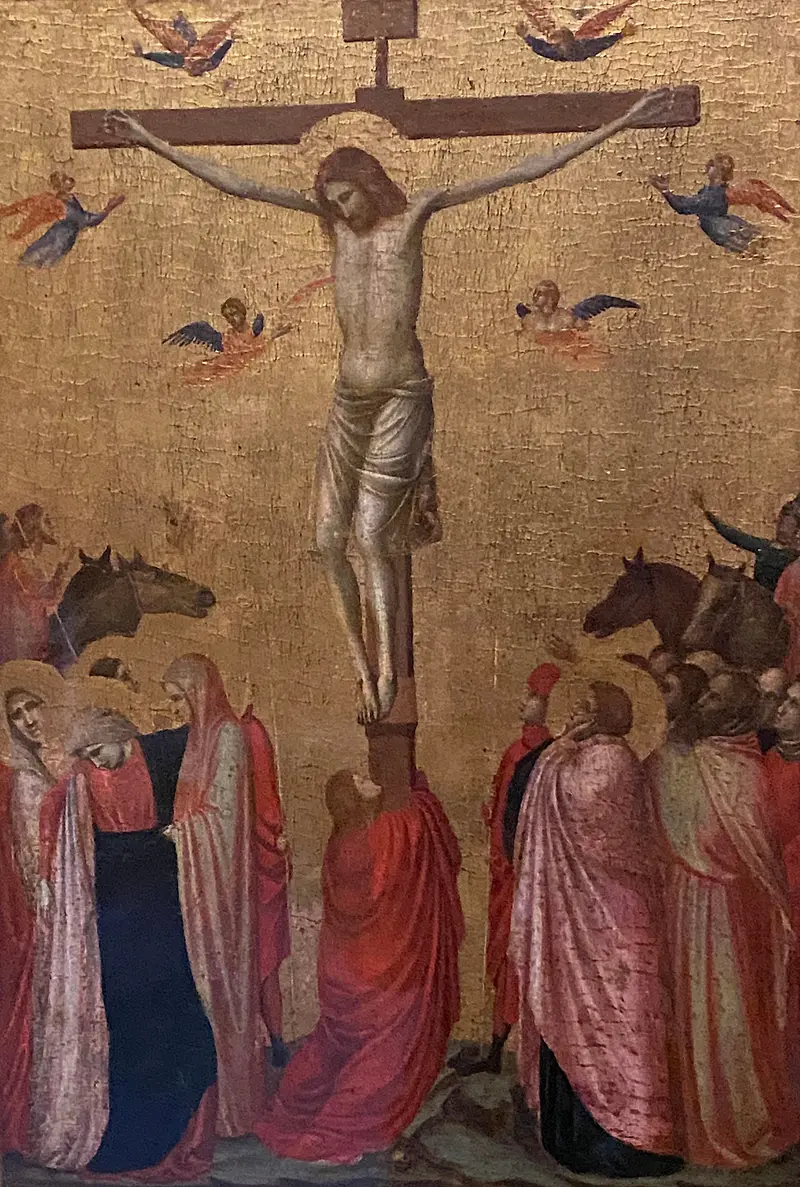
Crucifixion of Strasbourg
Giotto di Bondone
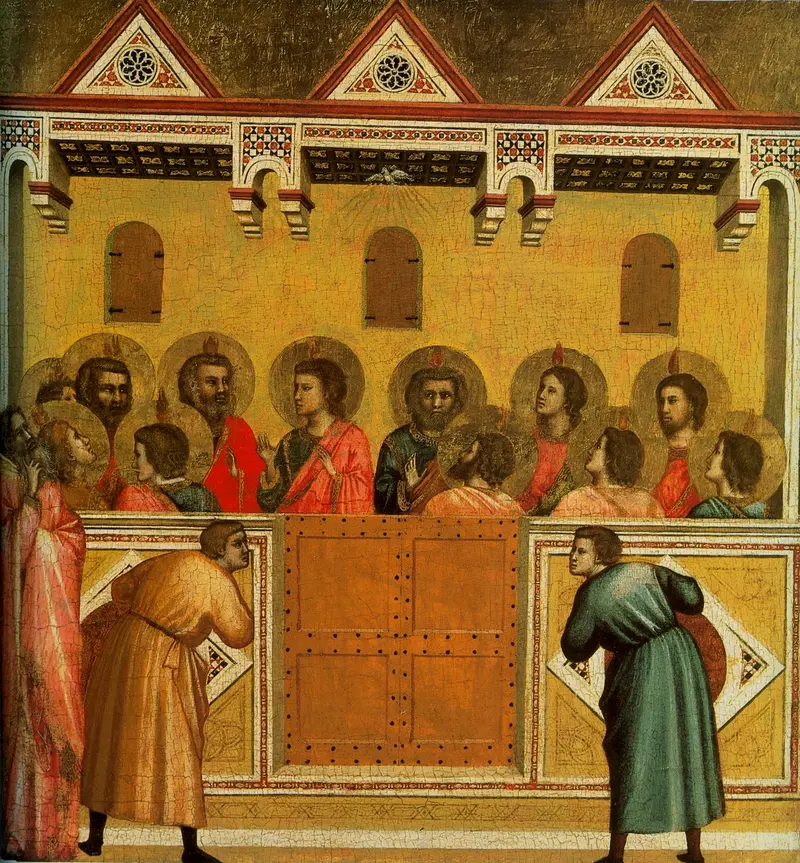
Pentecost
Giotto di Bondone
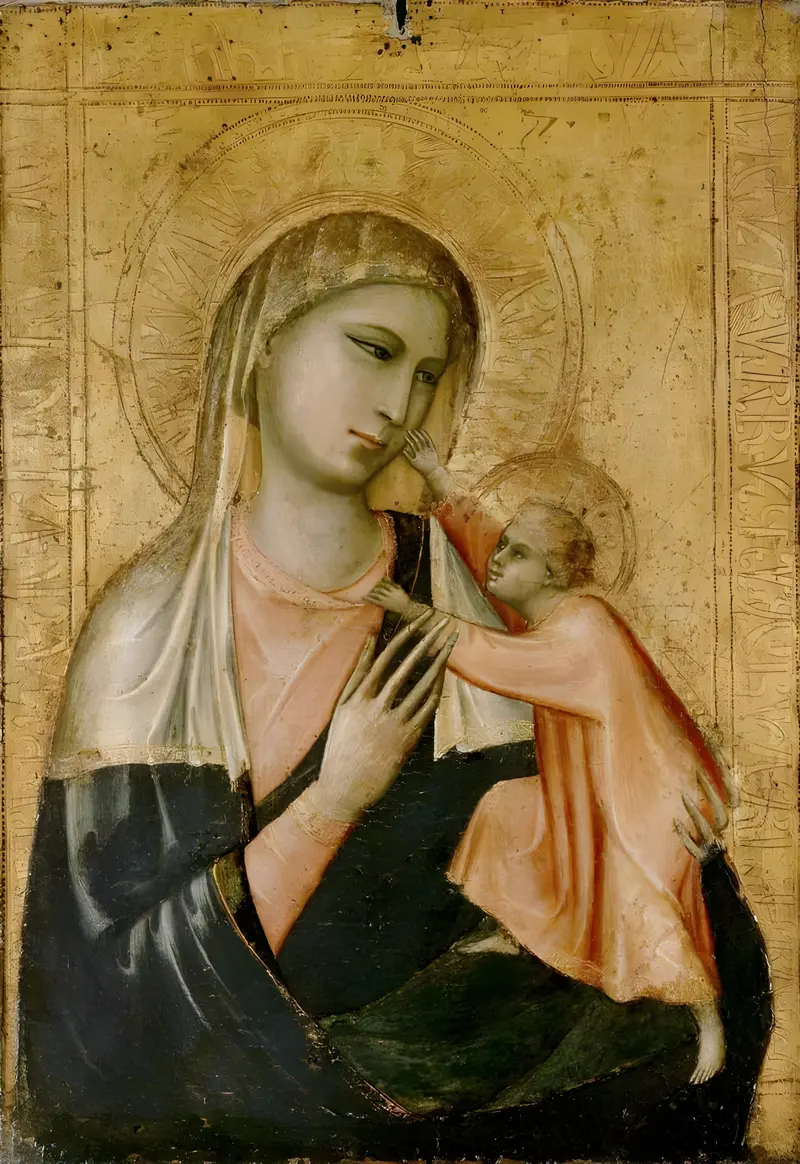
The Virgin and Child
Giotto di Bondone
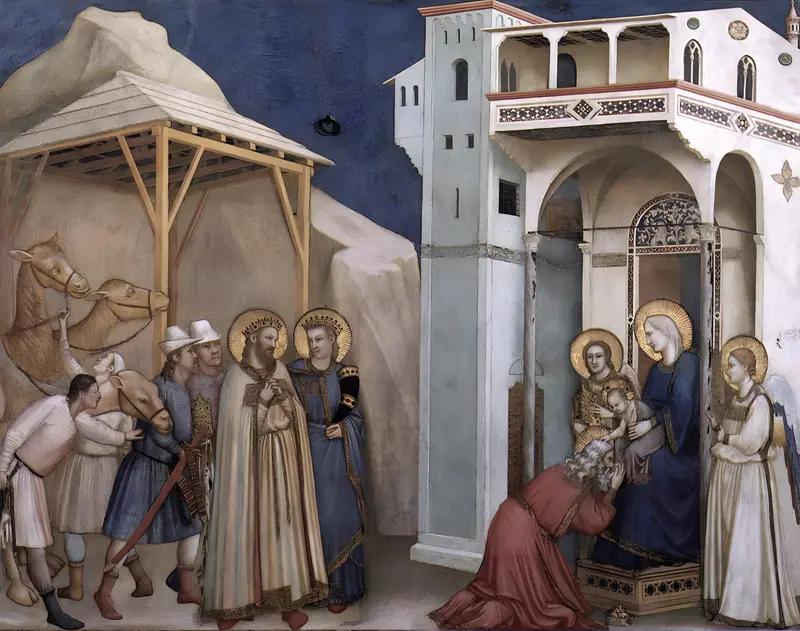
Anbetung der Könige
Giotto di Bondone
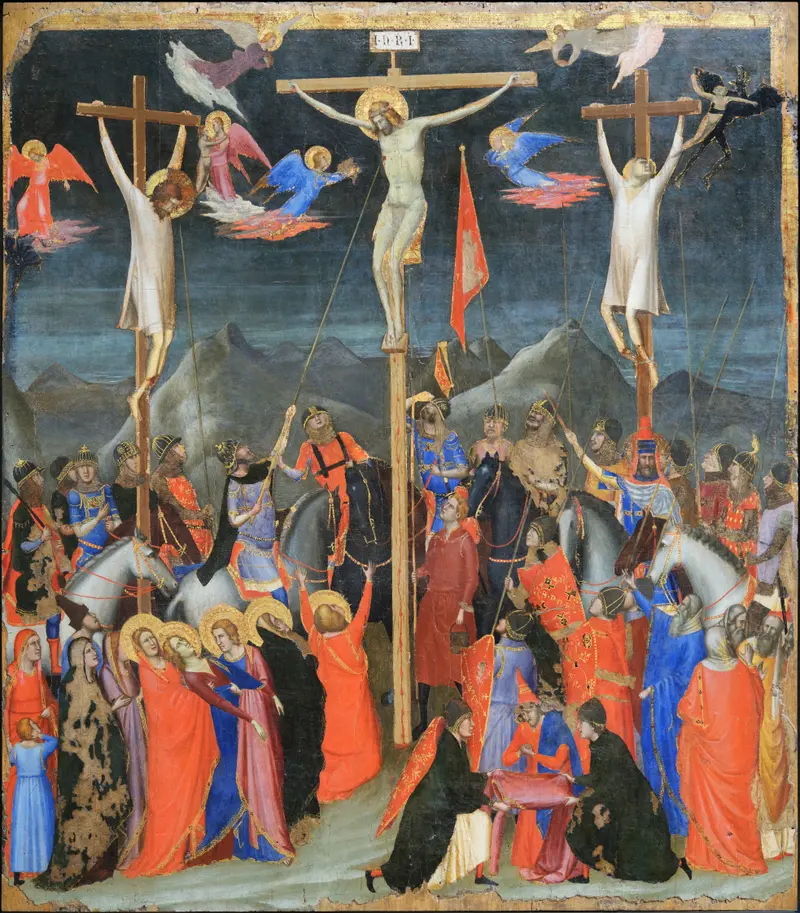
Crucifixion
Giotto di Bondone
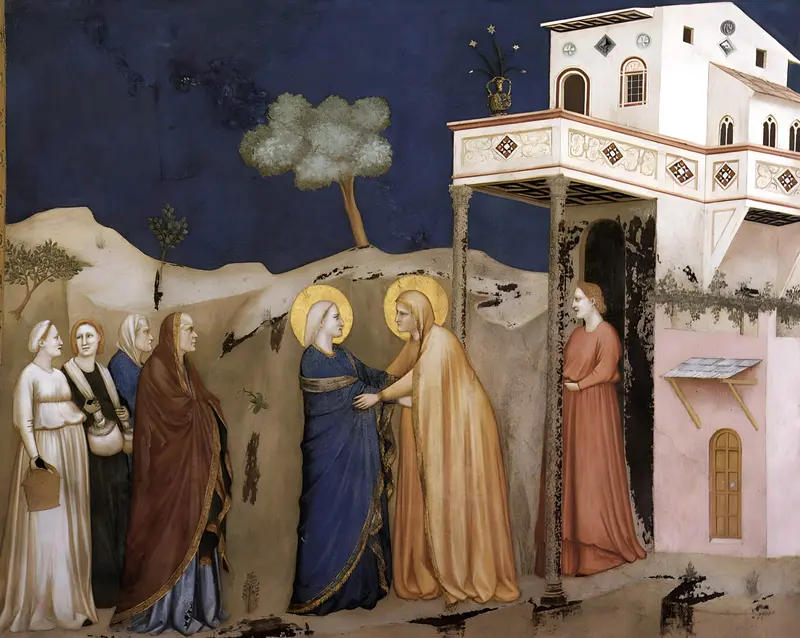
The Visitation
Giotto di Bondone
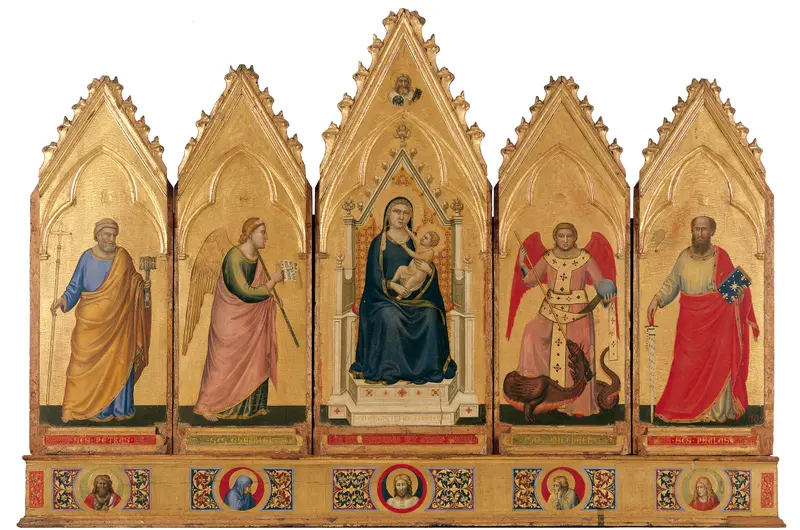
Bologna Polyptych
Giotto di Bondone





