
The Kiss — History & Facts
When The Kiss first appeared in 1816, it startled Parisian audiences with its raw emotional intensity, a striking departure from the restrained neoclassicism that dominated the salons. Painted by the young Théodore Géricault, who was just beginning to make his mark, the work was rumored to be inspired by a scandalous liaison within his own social circle—a whisper that only heightened its notoriety. Though the precise identities of the models remain uncertain, contemporary critics remarked on the painting’s “almost feverish” energy, a quality that would soon become a hallmark of the emerging Romantic movement. At the heart of The Kiss are two lovers, locked in a passionate embrace against a shadowed, ambiguous background.
Géricault captures the moment of surrender, the man’s hand cradling the woman’s neck while her fingers clutch the folds of his shirt. The figures are rendered with a muscular dynamism, their bodies twisting together in a composition that feels both urgent and precariously balanced. Unlike the idealized lovers of Antonio Canova or the chaste embraces in David’s mythological scenes, Géricault’s couple are flesh and blood, their longing heightened by the stark contrast of light and shadow.
The artist’s use of chiaroscuro isolates the couple from the world, focusing the viewer’s gaze on the intensity of their union. The history of The Kiss as a physical object is somewhat elusive; its medium remains uncertain, and it does not appear in the major inventories of Géricault’s works from his lifetime. Some art historians believe it was a private commission, possibly kept out of public view due to its intimate subject. Others suggest it may have been a study for a larger, unrealized project.
Today, The Kiss is recognized as an early experiment in the expressive possibilities that would define Géricault’s later masterpieces, such as The Raft of the Medusa. Its bold treatment of human emotion marks it as a pivotal work in the transition from Neoclassicism to Romanticism, even as many details of its origin remain shrouded in mystery.
More Artworks by Théodore Géricault
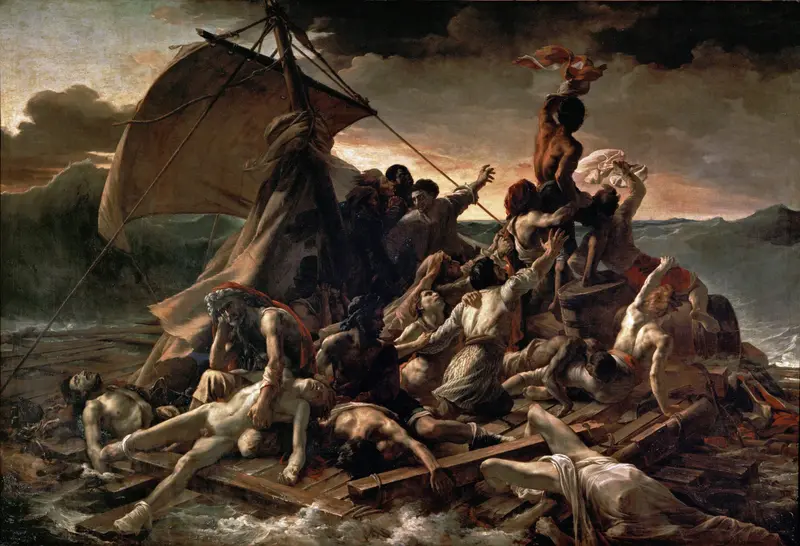
The Raft of the Medusa
Théodore Géricault

Géricault - Le naufrage du radeau de la Méduse, MBA 790
Théodore Géricault
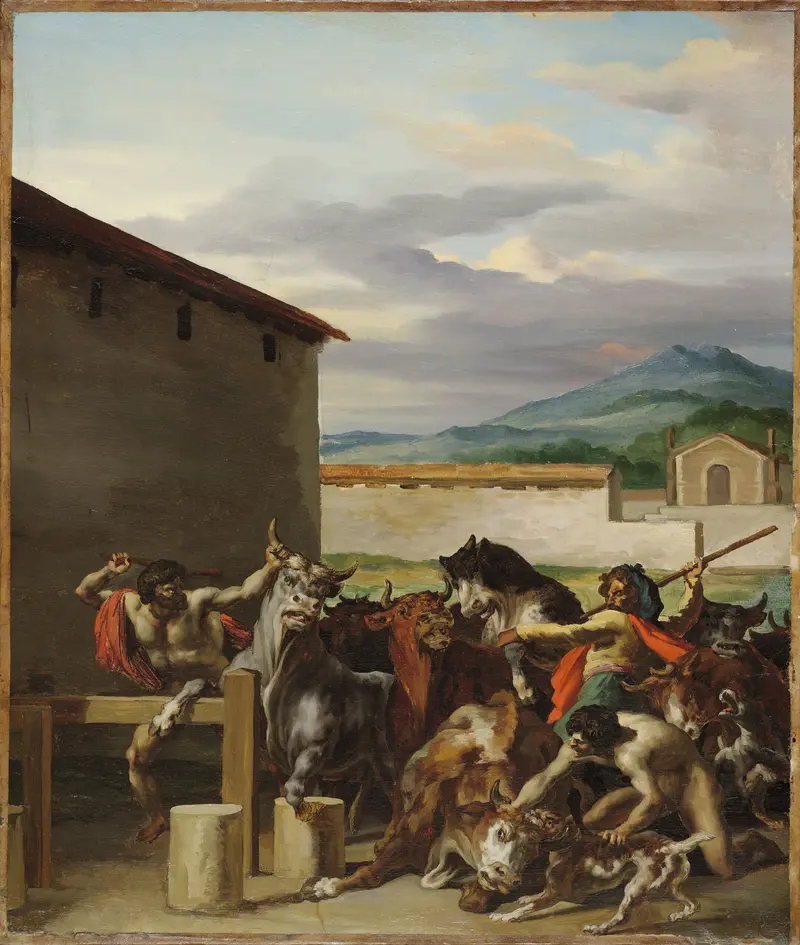
Cattle Market
Théodore Géricault
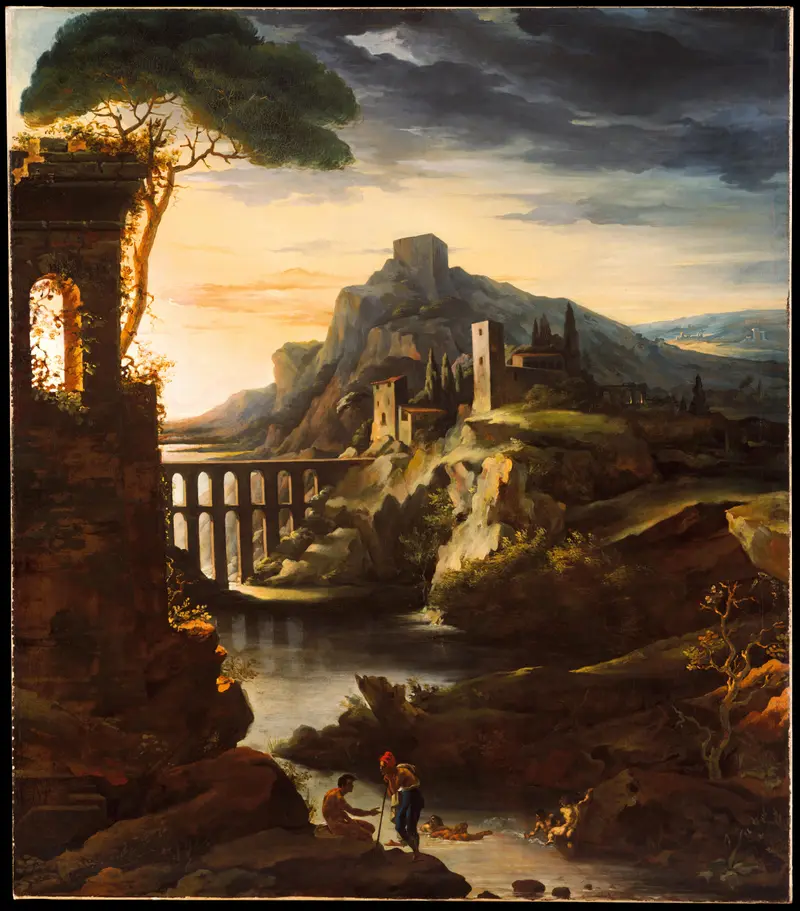
Evening; Landscape with an Aqueduct
Théodore Géricault
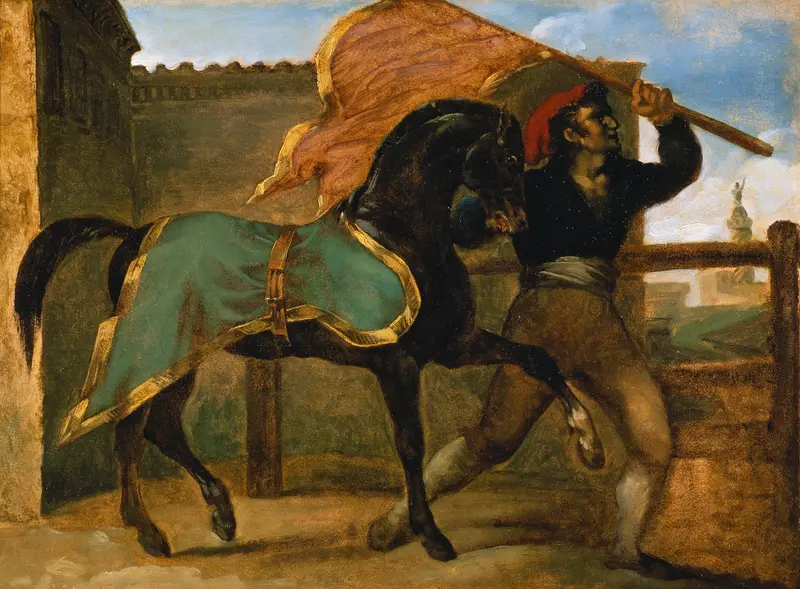
Horse Race
Théodore Géricault

Horses Standing in a Mews
Théodore Géricault
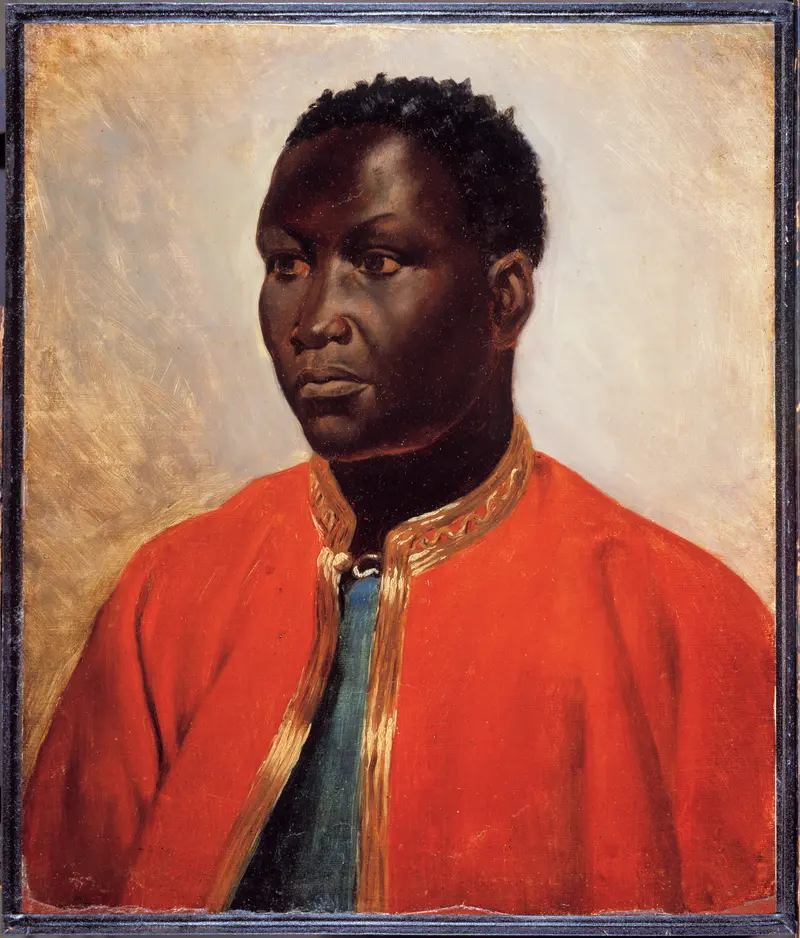
Portrait of a Negro
Théodore Géricault
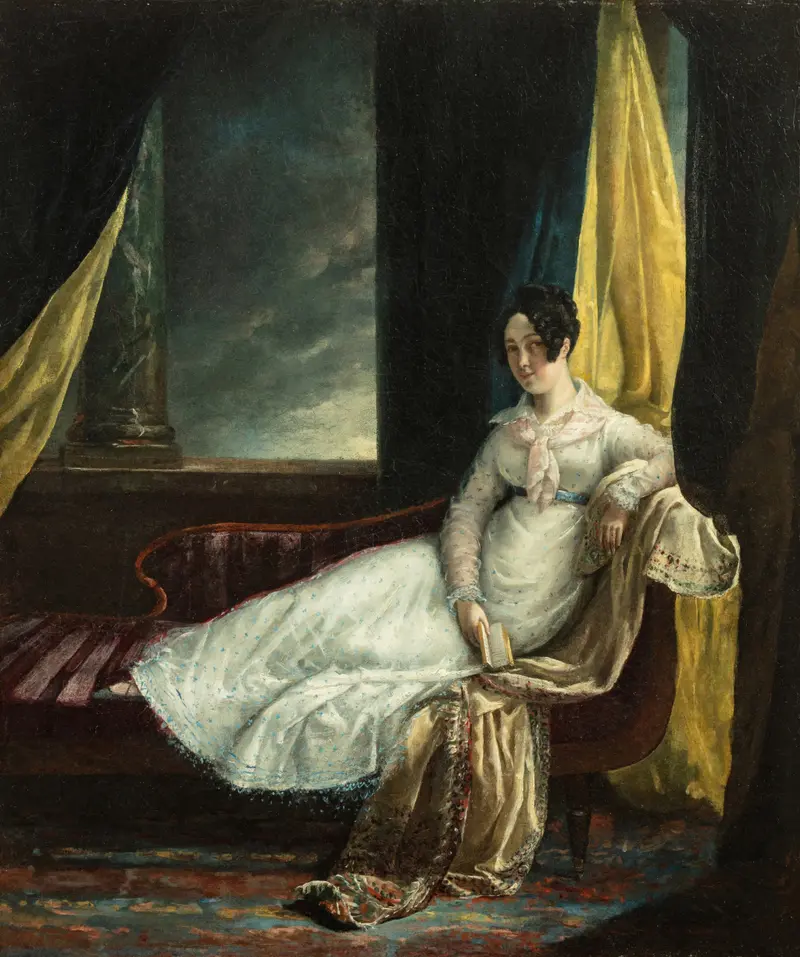
Portrait of Zoë Elmore
Théodore Géricault
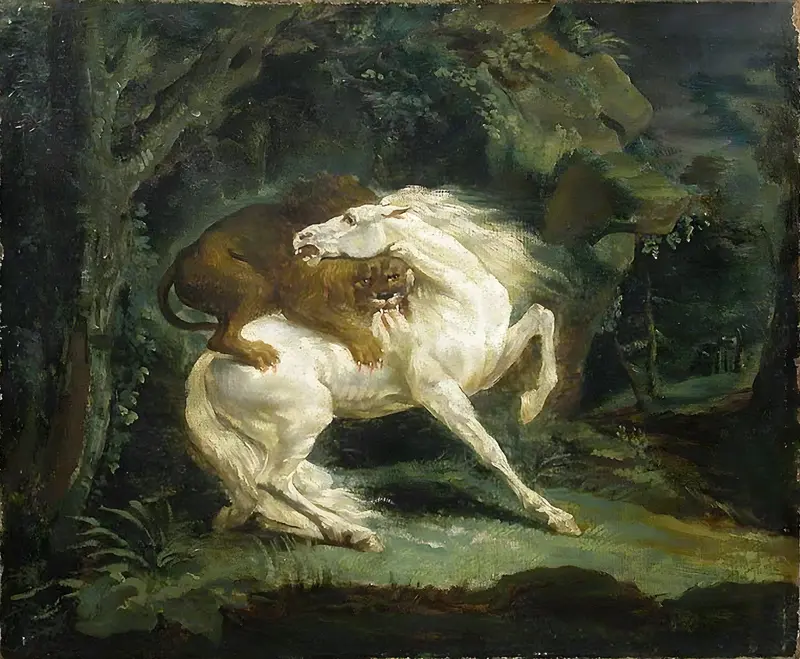
Cheval attaqué par un lion
Théodore Géricault
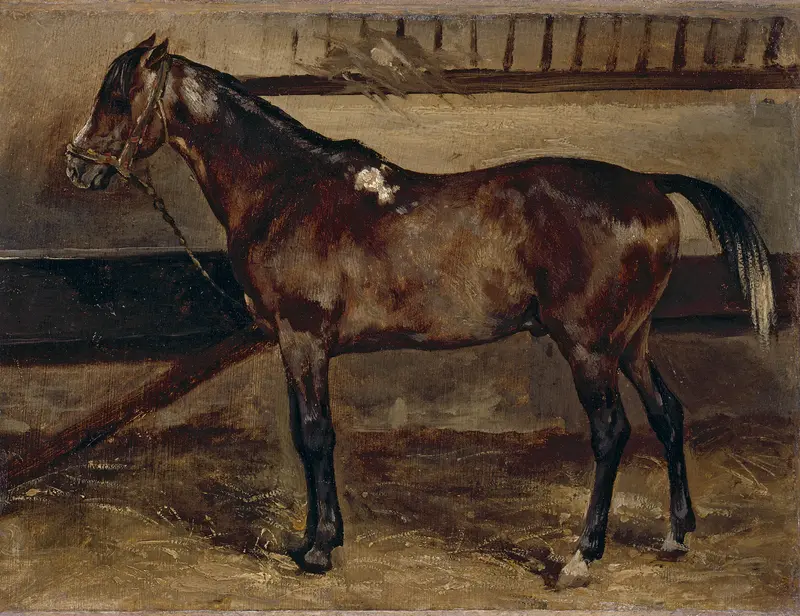
Cheval brun à l'écurie
Théodore Géricault



