
The Laundresses — History & Facts
When The Laundresses was first exhibited in 1758, it marked a striking departure for Jean-Honoré Fragonard, who was then better known for his grand historical and religious scenes. This painting, focusing on the everyday labor of working women, surprised Parisian viewers accustomed to the decorative frivolity of the Rococo style. The choice to elevate an ordinary subject to the scale and attention of fine art was unusual at the time, and some critics saw it as a bold experiment.
The work’s fresh, unidealized approach to contemporary life would later be echoed by artists like Chardin and, much later, the Realists. At the heart of the canvas, two laundresses are caught mid-task, their rolled-up sleeves and concentrated expressions capturing a moment of shared effort. One woman leans over a tub, her hands submerged in soapy water, while her companion wrings out a sheet, the fabric twisting and glistening in the light. The clutter of baskets, linens, and wooden tools grounds the scene in the reality of hard, physical work.
Fragonard’s loose, energetic brushwork brings the textures of wet cloth and rough wood to life, while the warm, golden light suggests a fleeting moment of camaraderie amid daily toil. Unlike the sentimentalized washerwomen of Greuze, Fragonard’s figures possess a dignity and presence that hint at the artist’s empathy for his subjects. Little is known about the early history of The Laundresses, and the identity of its first owner remains uncertain. The painting’s focus on humble laborers was rare for Fragonard, who would soon become famous for his playful, romantic scenes commissioned by elite patrons.
Over time, the work has been recognized as an early sign of his versatility and interest in everyday life. Today, The Laundresses is celebrated as a window into both the realities of eighteenth-century Paris and the evolving ambitions of its painter, and it now hangs in a major public collection, admired for its honesty and humanity.
More Artworks by Jean-Honoré Fragonard

The Swing
Jean-Honoré Fragonard

The Swing
Jean-Honoré Fragonard

A Young Girl Reading
Jean-Honoré Fragonard

The Lock
Jean-Honoré Fragonard

The Triumph of Venus
Jean-Honoré Fragonard

A Game of Hot Cockles
Jean-Honoré Fragonard
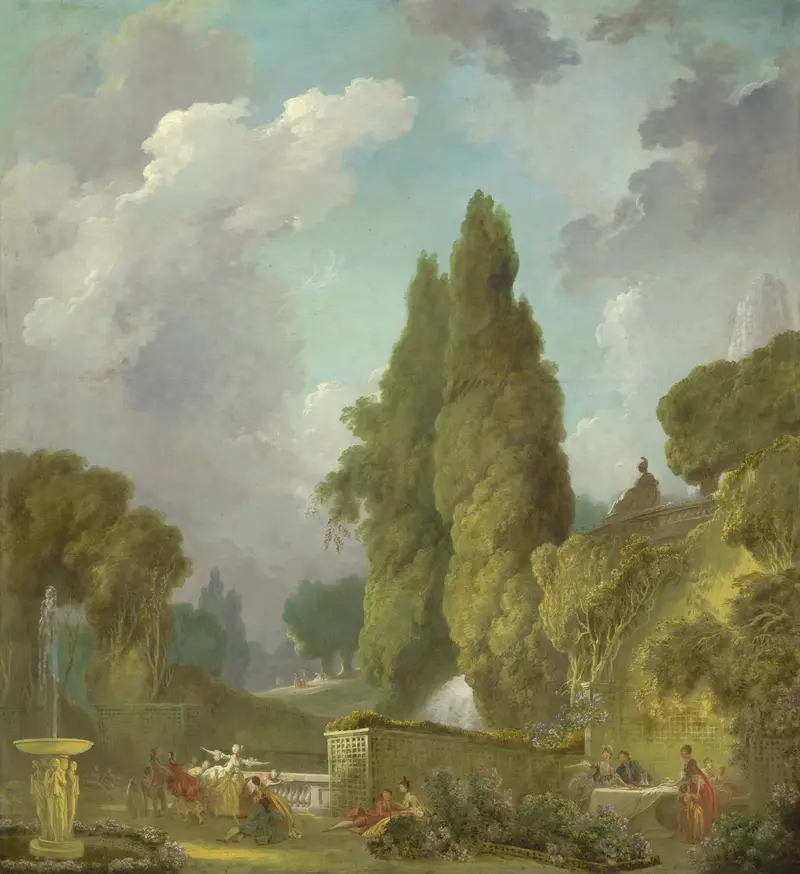
Blindman’s Buff
Jean-Honoré Fragonard
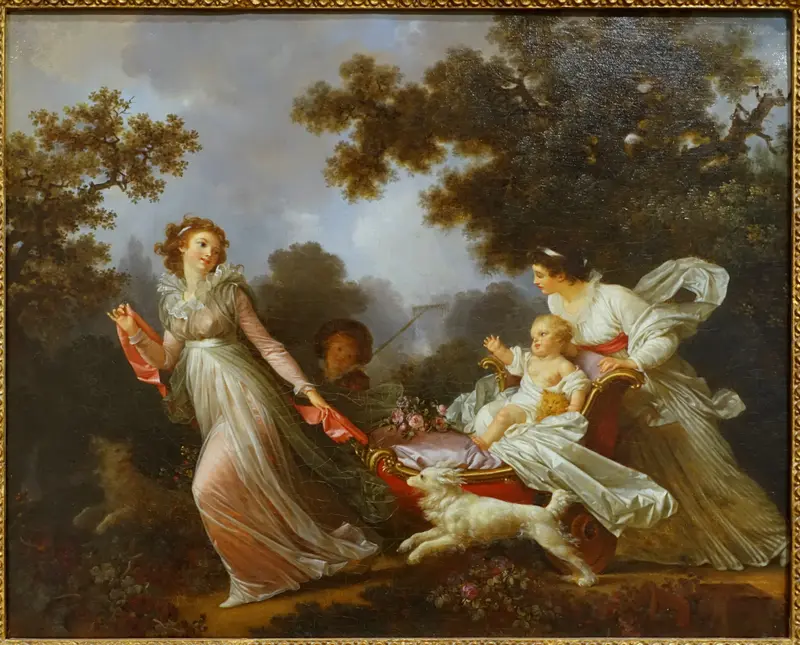
The Beloved Child
Jean-Honoré Fragonard
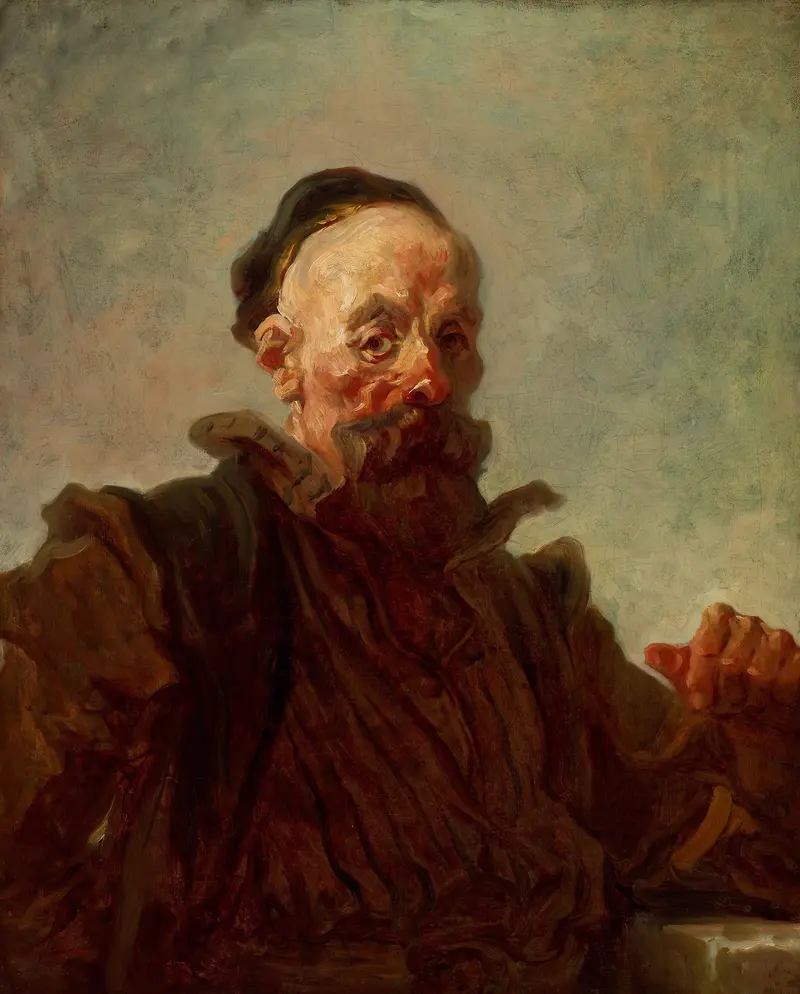
Portrait of a Man in Costume
Jean-Honoré Fragonard
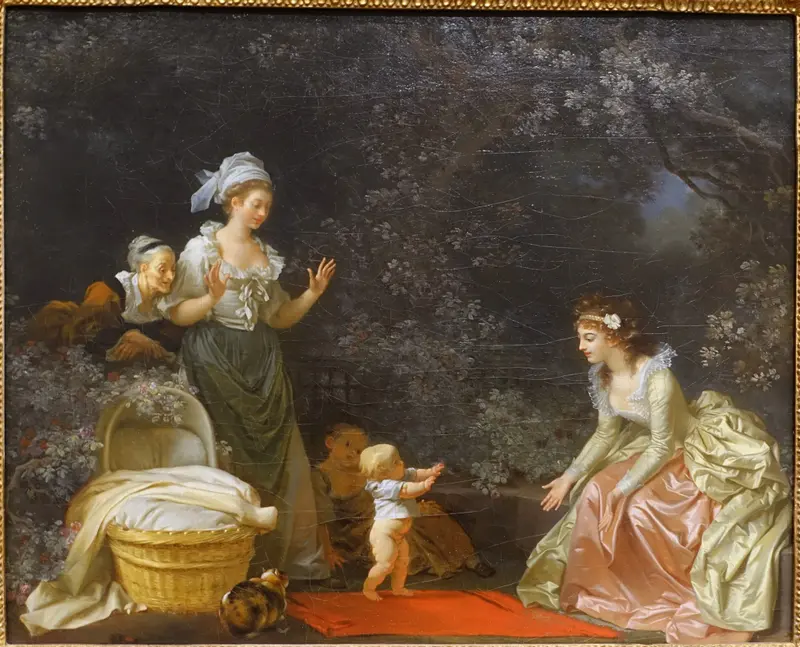
The First Steps
Jean-Honoré Fragonard
More Genre Scene Art

Banquet of the Officers of the St George Civic Guard
Frans Hals

Rembrandt and Saskia in the Scene of the Prodigal Son
Rembrandt van Rijn

Bal du moulin de la Galette
Pierre-Auguste Renoir

Quadrille at the Moulin Rouge
Henri de Toulouse-Lautrec

A Burial at Ornans
Gustave Courbet

When Will You Marry?
Paul Gauguin