
The Stefaneschi Triptych: Christ Enthroned — History & Facts
In 1330, the wealthy Cardinal Jacopo Stefaneschi commissioned Giotto di Bondone to create an altarpiece for the high altar of St. Peter’s Basilica in Rome—a rare privilege and a mark of immense status. What makes the Stefaneschi Triptych: Christ Enthroned especially remarkable is that it was designed to be seen from both sides, an unusual solution for an altar standing at the heart of the church, visible to clergy and laity alike.
The triptych’s central panel, with Christ in majesty, would have faced the canons, while the reverse showed St. Peter enthroned for the congregation. Few medieval works so clearly reveal the liturgical choreography of their original setting. At the center of the triptych, Giotto presents Christ seated on an elaborate throne, surrounded by angels and saints in a strict, symmetrical arrangement.
Christ raises his right hand in blessing and holds an open book, a gesture of teaching and authority. The gold background, typical of the period, signals the heavenly realm, while the careful rendering of faces and drapery marks Giotto’s break with the flatness of earlier Byzantine icons. The saints’ individualized expressions and the subtle play of light across their garments give the scene a new sense of presence—qualities that distinguish Giotto from contemporaries like Duccio, whose saints remain more stylized and remote.
Every detail, from the intricate throne to the delicate halos, serves to underline Christ’s centrality and the unity of the church. The Stefaneschi Triptych has survived centuries of upheaval, though its original placement in Old St. Peter’s was lost when the basilica was rebuilt in the 16th century. Today, the panels are preserved in the Vatican Pinacoteca, separated but still recognized as one of Giotto’s most important Roman commissions.
The triptych stands at a turning point in Giotto’s career, reflecting his mature style and his reputation as the leading painter of his age. While the exact medium remains uncertain—tempera on panel is likely, though not confirmed—the work’s scale and ambition speak to the trust placed in Giotto by his powerful patron, and to the enduring appeal of his vision of sacred authority.
More Artworks by Giotto di Bondone
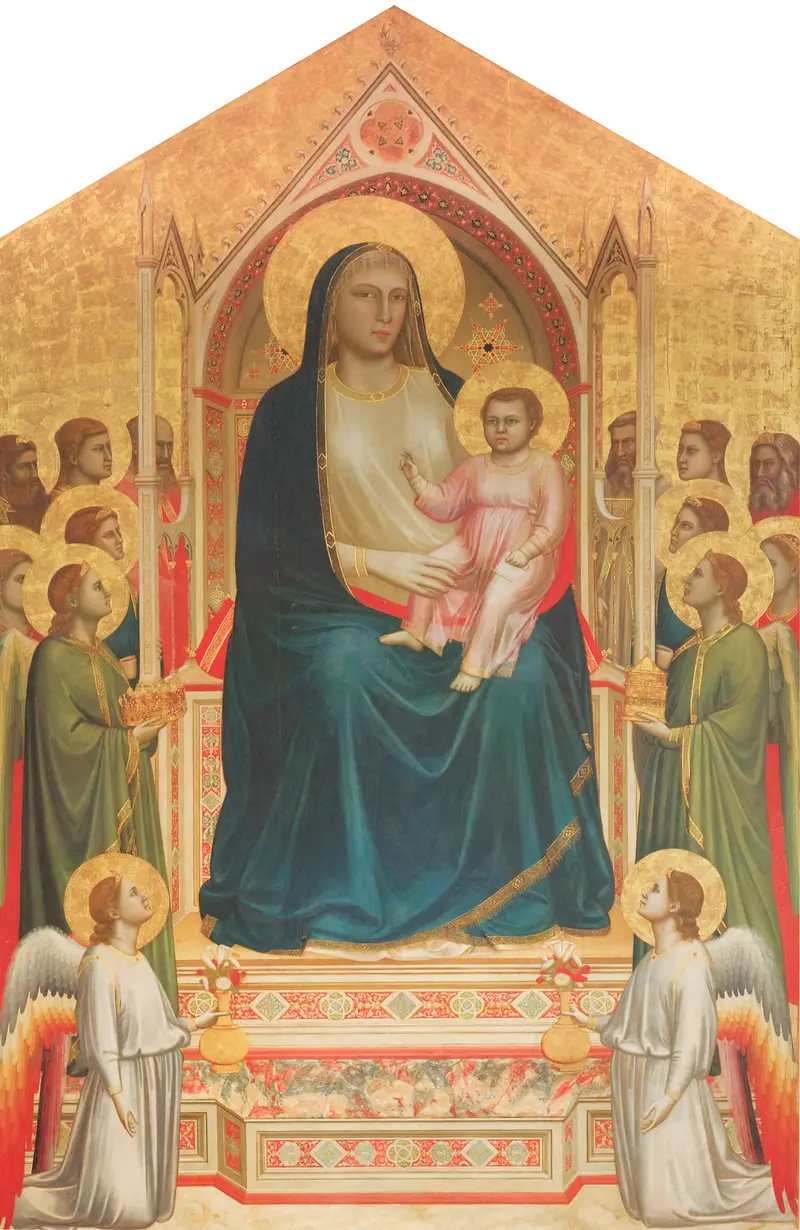
Ognissanti Madonna
Giotto di Bondone
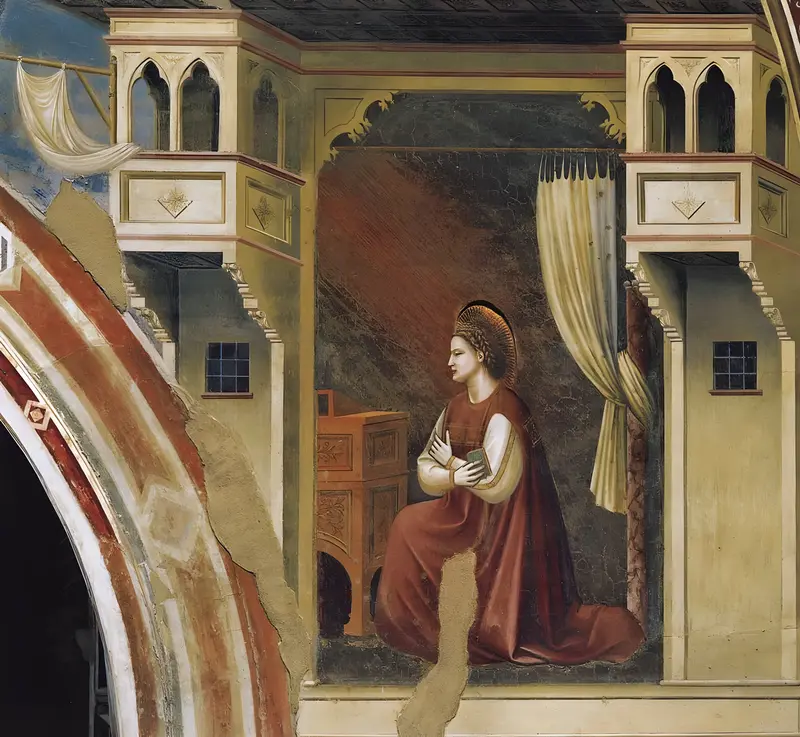
The Virgin of the Annunciation
Giotto di Bondone
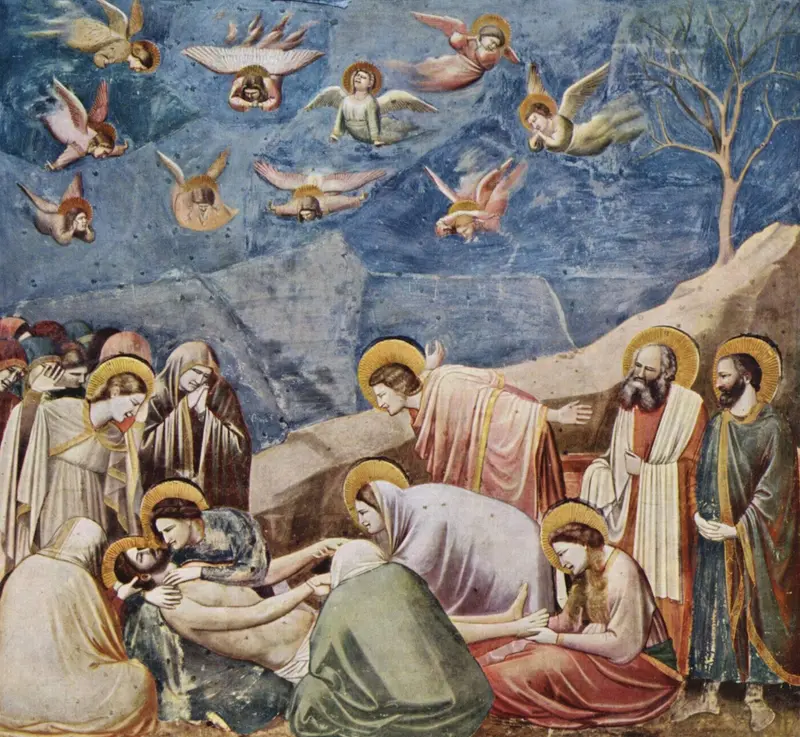
Lamentation (The Mourning of Christ)
Giotto di Bondone
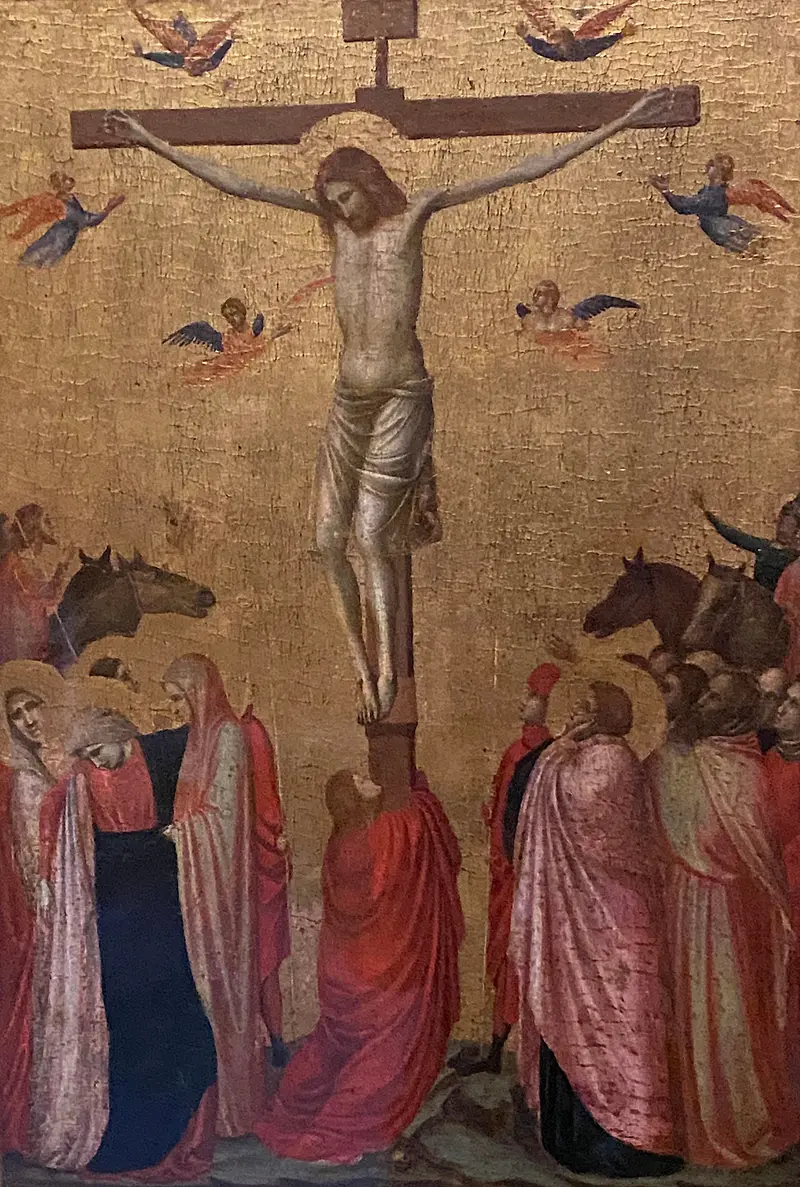
Crucifixion of Strasbourg
Giotto di Bondone
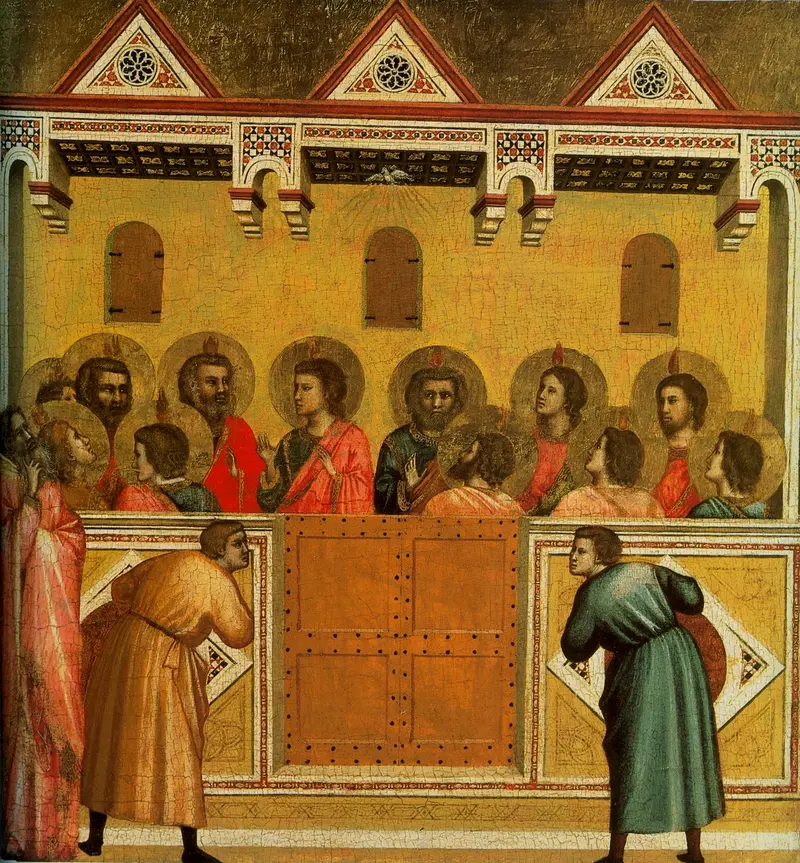
Pentecost
Giotto di Bondone
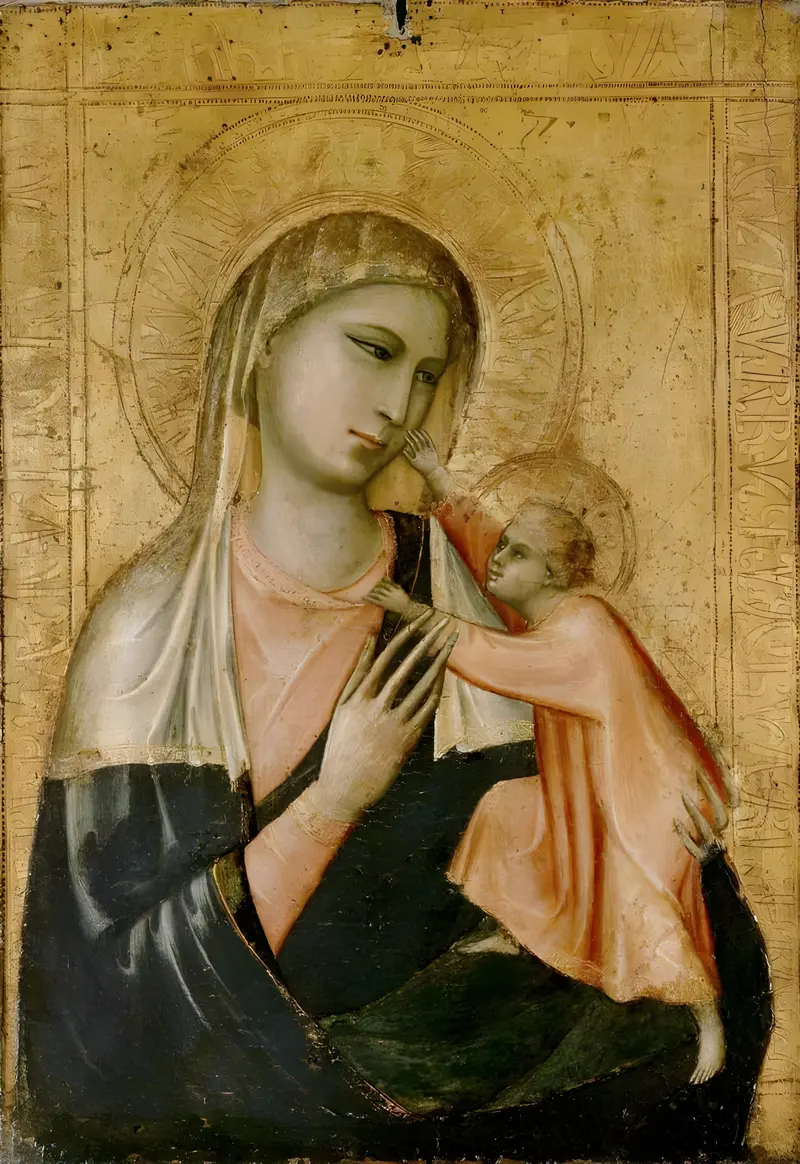
The Virgin and Child
Giotto di Bondone
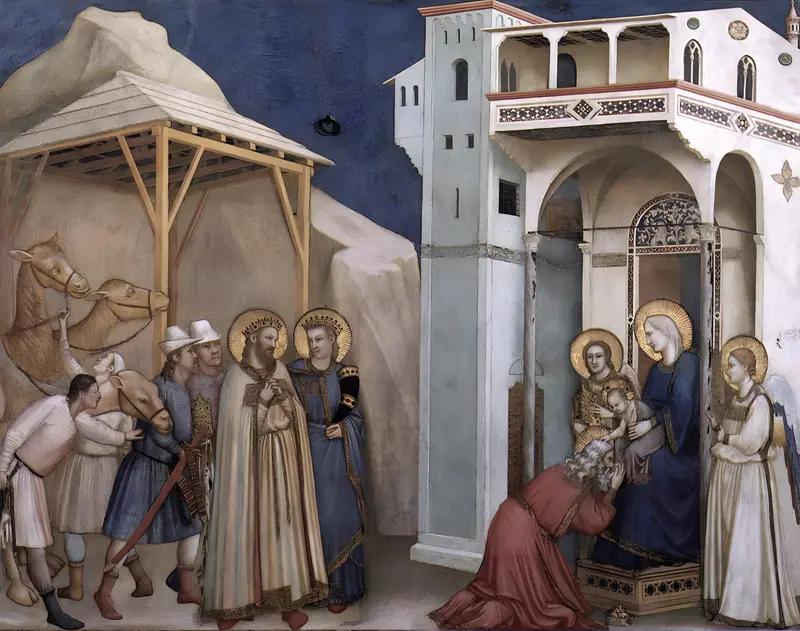
Anbetung der Könige
Giotto di Bondone
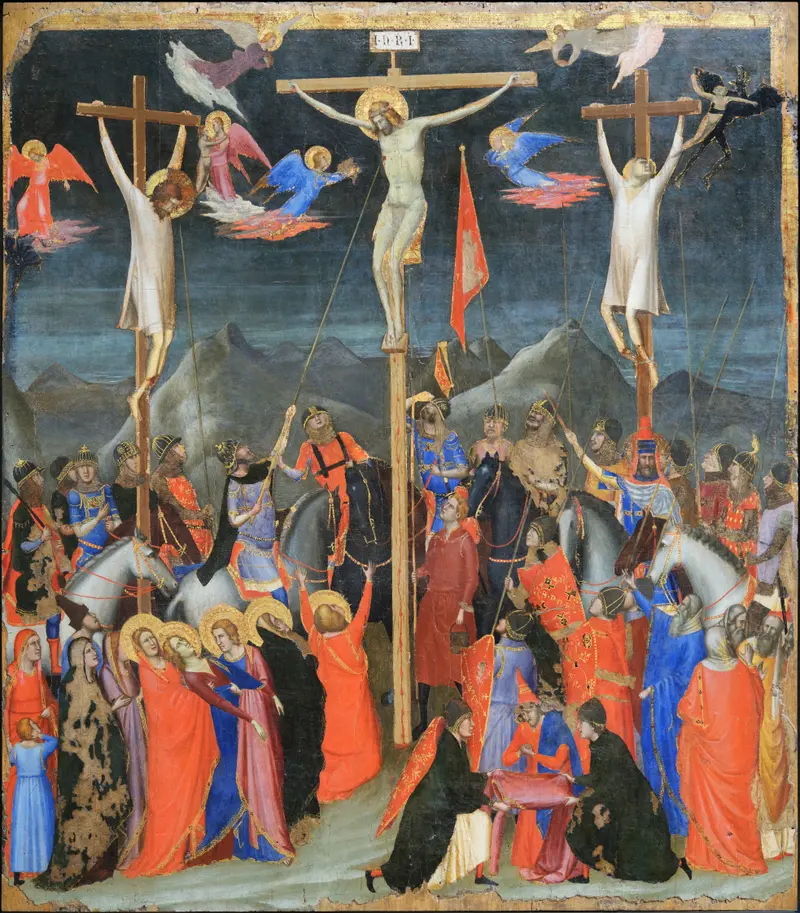
Crucifixion
Giotto di Bondone
The Visitation
Giotto di Bondone
Bologna Polyptych
Giotto di Bondone





