
The Stolen Kiss — History & Facts
When The Stolen Kiss emerged in the late eighteenth century, its reputation quickly became entwined with the secretive world of aristocratic love affairs. The painting’s earliest known owner was Catherine the Great, Empress of Russia, who acquired it for her Hermitage collection in Saint Petersburg—an apt setting for a work so charged with the thrill of forbidden intimacy. The allure of the scene was such that the painting was widely copied, and its authorship was even debated for a time, with some attributing it to Fragonard’s contemporary, Jean-Baptiste Greuze.
Today, it stands as one of the most celebrated examples of the Rococo style’s fascination with private pleasures and hidden desires. The scene unfolds in a lavishly appointed interior, where a young woman, half-turned from her companions, is caught in a moment of secret passion as a lover steals a kiss. Her hand clutches a door, suggesting both hesitation and the urgency of the encounter, while the cascade of silk and lace in her dress echoes the opulence of the setting. The play of light draws the eye to the clandestine gesture, isolating the couple from the rest of the world, who remain oblivious in the adjoining room.
The intimacy and theatricality recall Fragonard’s earlier The Swing, but here the focus is on the tension of anticipation rather than the abandon of play. Every detail—the upturned chair, the parted curtain—serves to heighten the sense of secrecy and impending discovery. After its time in the Hermitage, The Stolen Kiss passed through several hands, including prominent European collectors, before settling in the Hermitage Museum, where it remains today. The painting’s journey mirrors the shifting fortunes of Fragonard himself, whose reputation waned after the French Revolution, only to be revived in the nineteenth century as critics and collectors rediscovered the delights of the Rococo.
While the exact commission for this work is unknown, it is now seen as a defining example of Fragonard’s mature style, balancing technical brilliance with psychological nuance. Its enduring popularity speaks to the universal fascination with moments of risk, secrecy, and desire.
More Artworks by Jean-Honoré Fragonard

The Swing
Jean-Honoré Fragonard

The Swing
Jean-Honoré Fragonard

A Young Girl Reading
Jean-Honoré Fragonard

The Lock
Jean-Honoré Fragonard

The Triumph of Venus
Jean-Honoré Fragonard

A Game of Hot Cockles
Jean-Honoré Fragonard
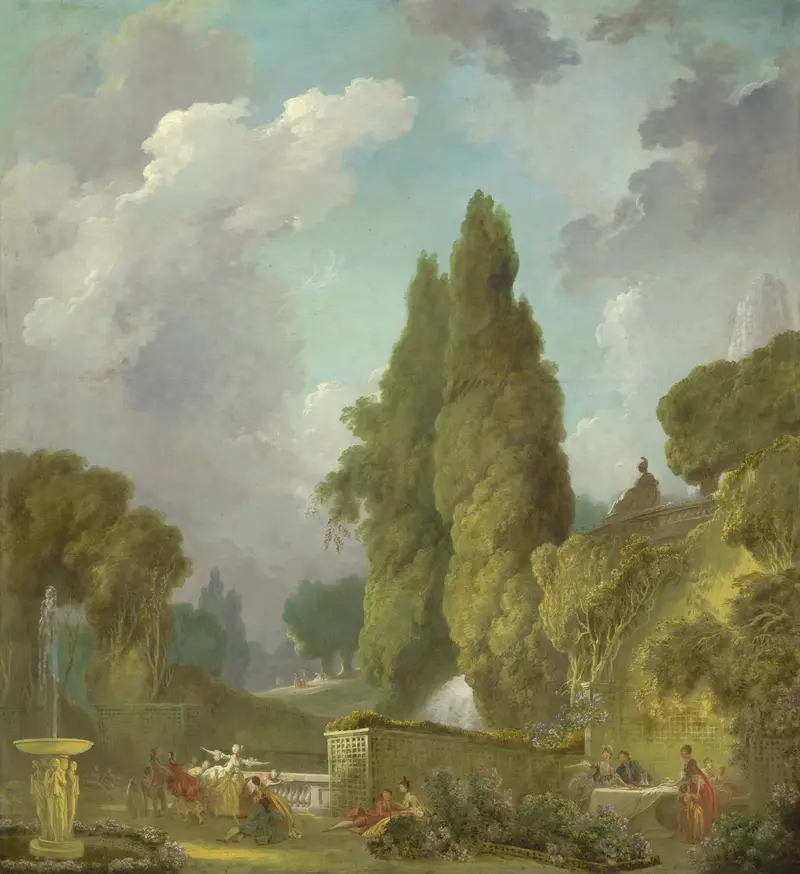
Blindman’s Buff
Jean-Honoré Fragonard
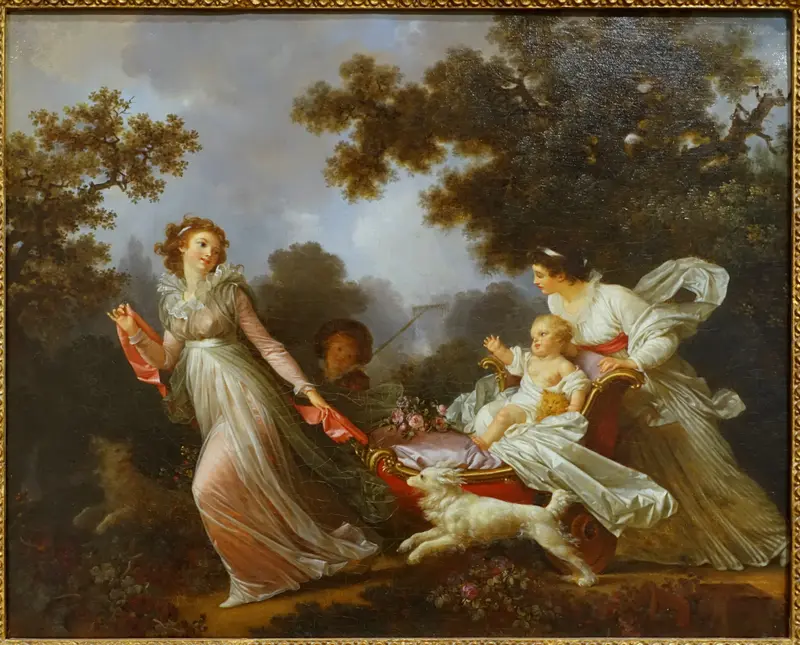
The Beloved Child
Jean-Honoré Fragonard
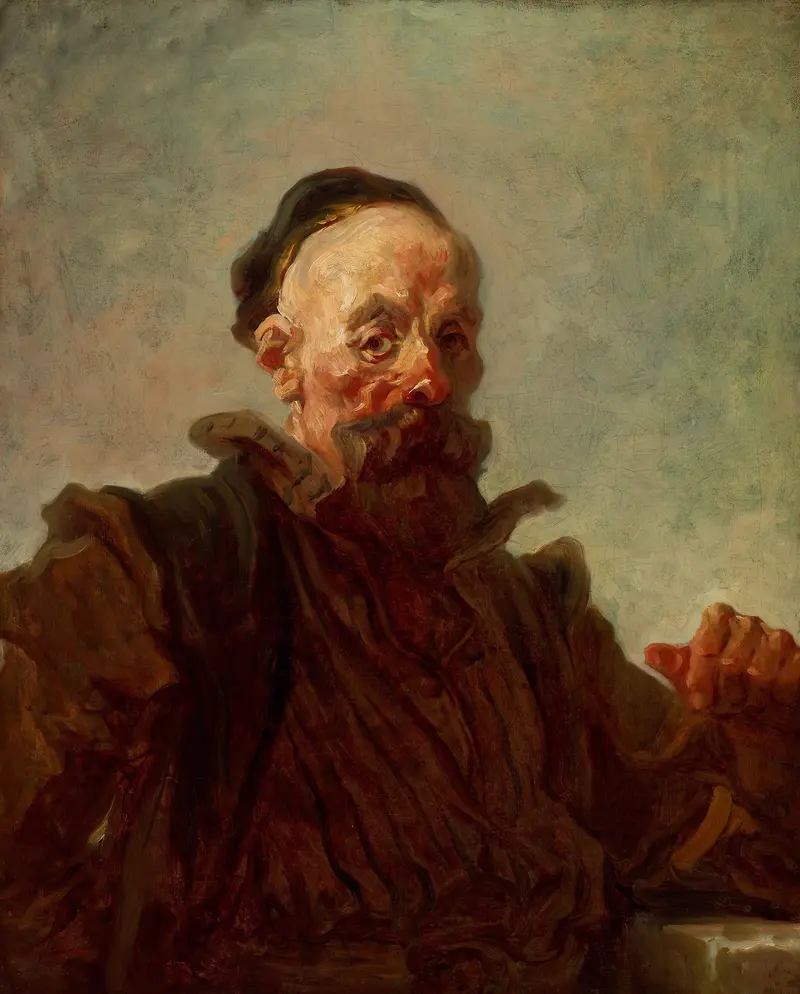
Portrait of a Man in Costume
Jean-Honoré Fragonard
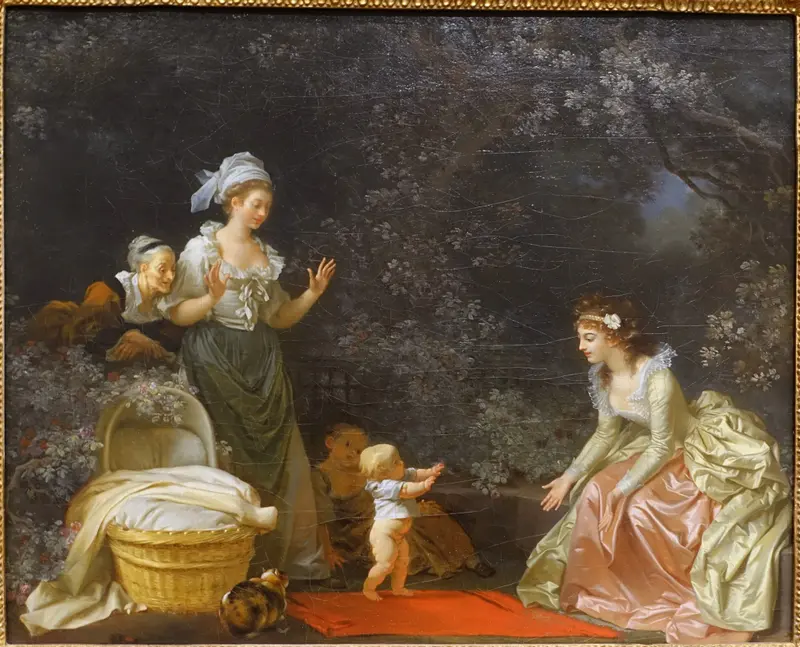
The First Steps
Jean-Honoré Fragonard
More Genre Scene Art

Banquet of the Officers of the St George Civic Guard
Frans Hals

Rembrandt and Saskia in the Scene of the Prodigal Son
Rembrandt van Rijn

Bal du moulin de la Galette
Pierre-Auguste Renoir

Quadrille at the Moulin Rouge
Henri de Toulouse-Lautrec

A Burial at Ornans
Gustave Courbet

When Will You Marry?
Paul Gauguin