
Theodore Gericault - Sept poitrails de chevaux — History & Facts
In 1813, at just 22 years old, Théodore Géricault exhibited a series of seven horse portraits—Sept poitrails de chevaux—that electrified the Paris Salon. These studies were so admired for their vitality and accuracy that they reportedly prompted one critic to declare, "Here is a young man who knows horses as others know men." At a time when France was still reeling from the Napoleonic Wars, horses were not only symbols of military power but also of national pride, and Géricault’s fascination with them was both personal and cultural. The artist’s equestrian works would later influence his monumental The Raft of the Medusa, but it was with these early portraits that he first announced his singular talent. Géricault chose to focus on the muscular, arched necks and expressive heads of his subjects, each horse rendered with a different temperament—from fiery and alert to calm and contemplative.
The composition isolates the animals against a neutral background, allowing viewers to study the play of light across their glossy coats and the tension in their sinews. This approach recalls the anatomical precision of George Stubbs, but Géricault’s horses pulse with a nervous energy that sets them apart from the more placid English models. The artist’s brushwork is loose yet controlled, capturing not just the form but the spirit of each animal, as if they might toss their heads and break free from the confines of the canvas at any moment. The exact medium of Sept poitrails de chevaux remains uncertain—some sources suggest oil, others watercolor or gouache—but the series stands as a testament to Géricault’s early devotion to equine anatomy.
While the individual studies have sometimes been separated or misattributed over the years, several survive in public and private collections, their provenance occasionally clouded by gaps in documentation. These works mark a formative stage in Géricault’s career, preceding his later, more dramatic compositions, and they offer rare insight into the artist’s methodical observation and restless experimentation. Today, they are prized not only as portraits of horses but as milestones in the evolution of Romantic painting.
More Artworks by Théodore Géricault
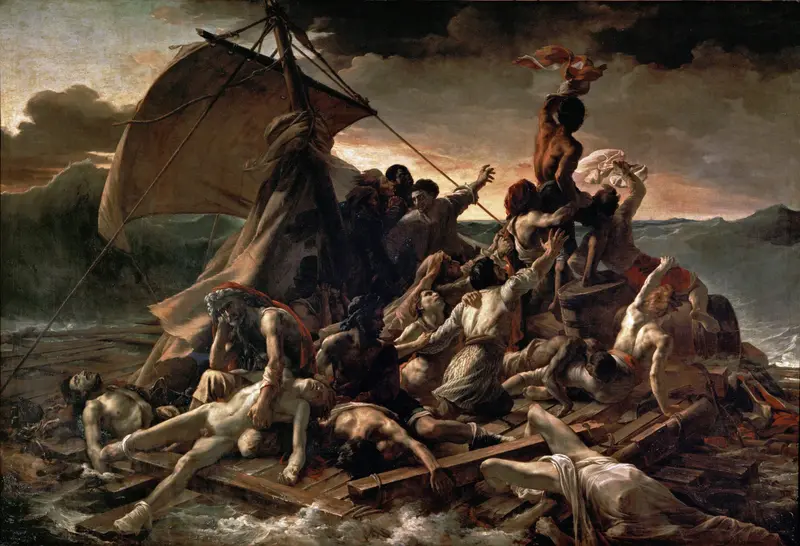
The Raft of the Medusa
Théodore Géricault

Géricault - Le naufrage du radeau de la Méduse, MBA 790
Théodore Géricault
Cattle Market
Théodore Géricault
Evening; Landscape with an Aqueduct
Théodore Géricault
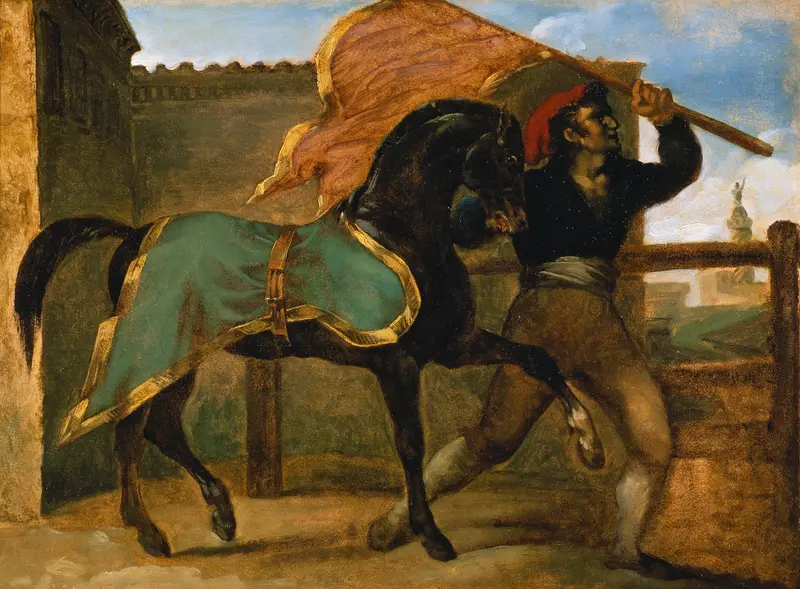
Horse Race
Théodore Géricault

Horses Standing in a Mews
Théodore Géricault
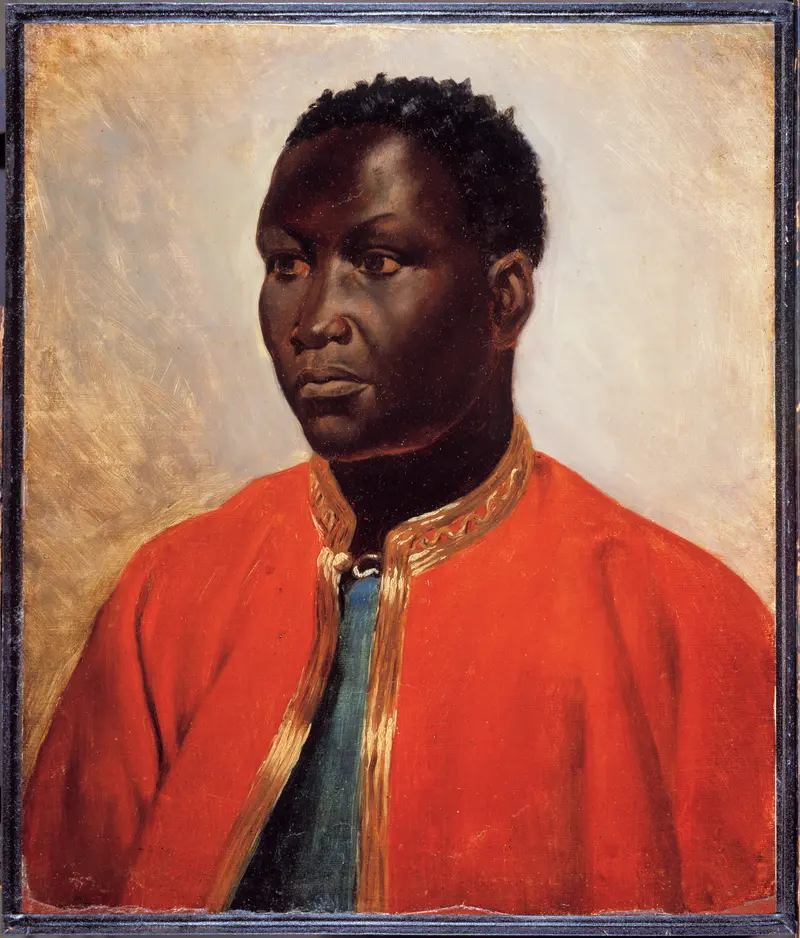
Portrait of a Negro
Théodore Géricault
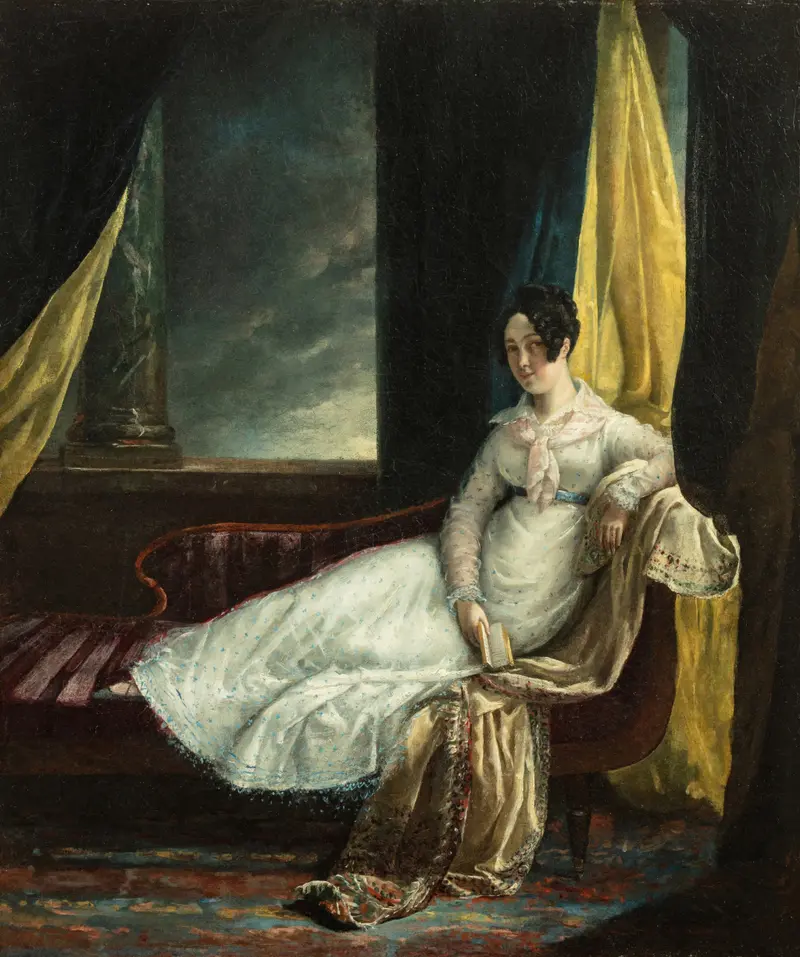
Portrait of Zoë Elmore
Théodore Géricault
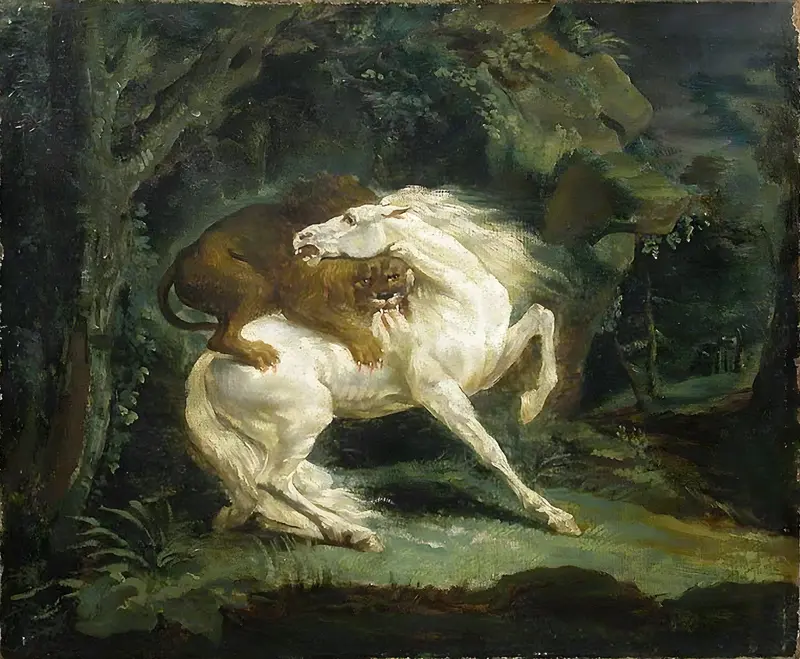
Cheval attaqué par un lion
Théodore Géricault
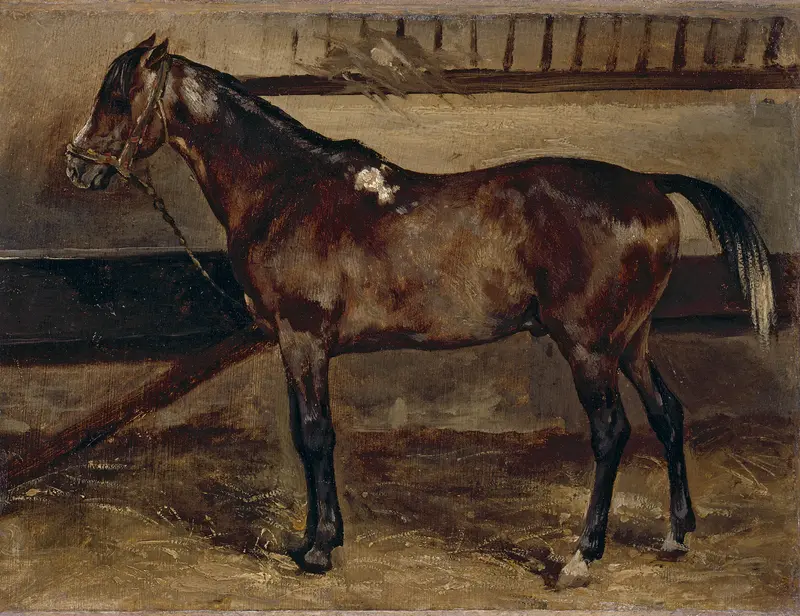
Cheval brun à l'écurie
Théodore Géricault





