
Undine — History & Facts
A young woman stands at the heart of a fountain, her long hair and gauzy dress both trailing water, as if she herself has just risen from the spring. The eye is drawn first to her gesture—arms crossed and lifted, almost in supplication or self-embrace—then to her upward gaze, which seems to search the sky for something beyond the world of stone and water. Light falls delicately across her figure, turning her pale dress almost translucent and making her appear both solid and ghostly, a creature poised between earth and water.
The background, with its shadowed buildings and soft evening sky, recedes into quiet anonymity, so that the fountain and the nymph become the painting’s true center. Every detail, from the wet strands of hair clinging to her arms to the faint violet at her feet, signals her otherworldliness and her sorrowful beauty. The story of Undine, the water spirit who sought a soul through love with a mortal knight, was a favorite subject for artists of the nineteenth century, when tales of enchantment and tragic romance captivated readers and collectors alike. Painted in 1872, this John William Waterhouse work belongs to a moment when British artists were fascinated by myth and legend, often seeking to capture the tension between the supernatural and the everyday.
Such paintings were typically made for private patrons eager to display both their taste for literature and their appreciation of technical skill. History has kept few traces of this particular canvas’s journey, but its mood and subject invite us to linger, to imagine the silent world of the nymph, and to wonder what might happen next as the evening deepens around her.
More Artworks by John William Waterhouse
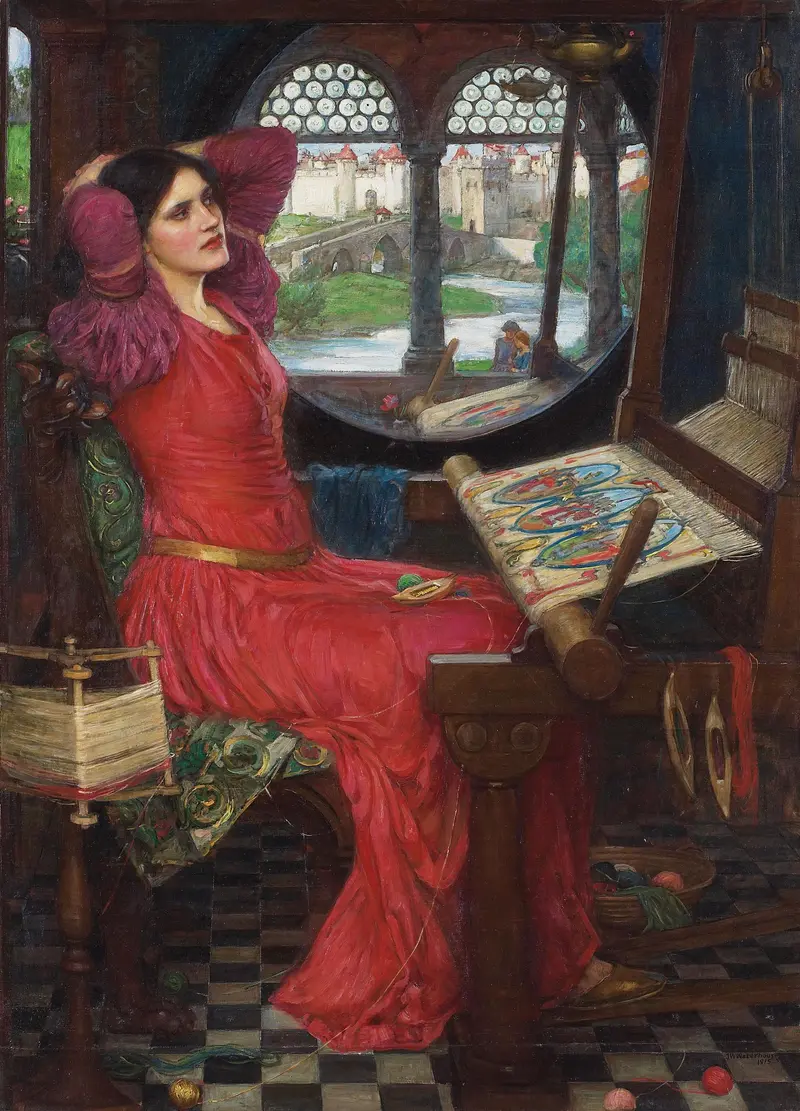
'I Am Half-Sick of Shadows,' Said the Lady of Shalott
John William Waterhouse

The Favourites of the Emperor Honorius, 1883
John William Waterhouse
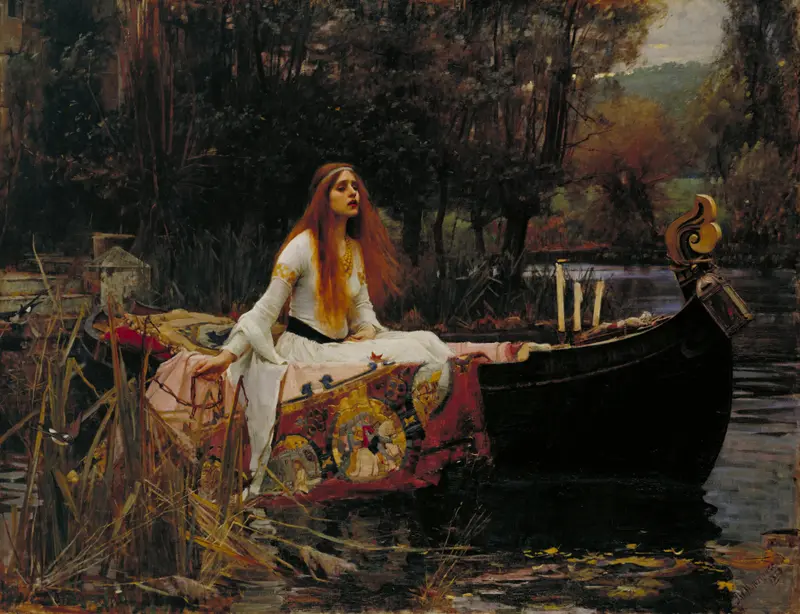
The Lady of Shalott
John William Waterhouse
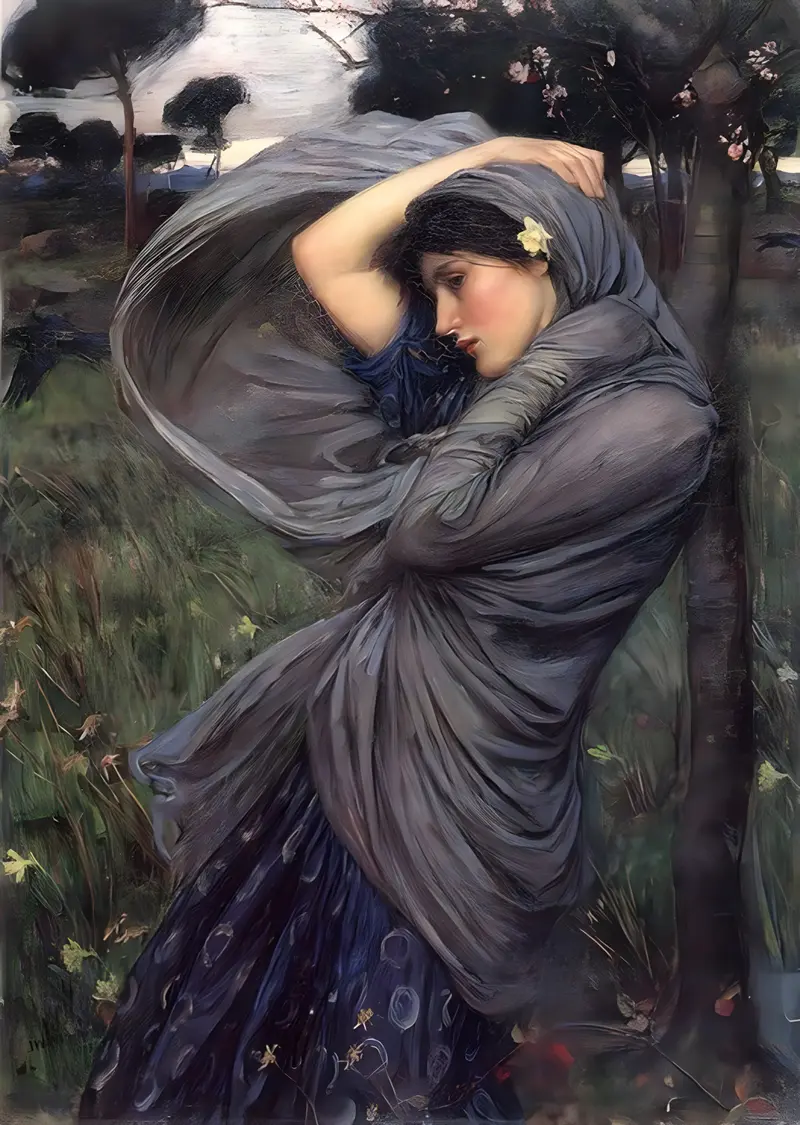
Boreas
John William Waterhouse
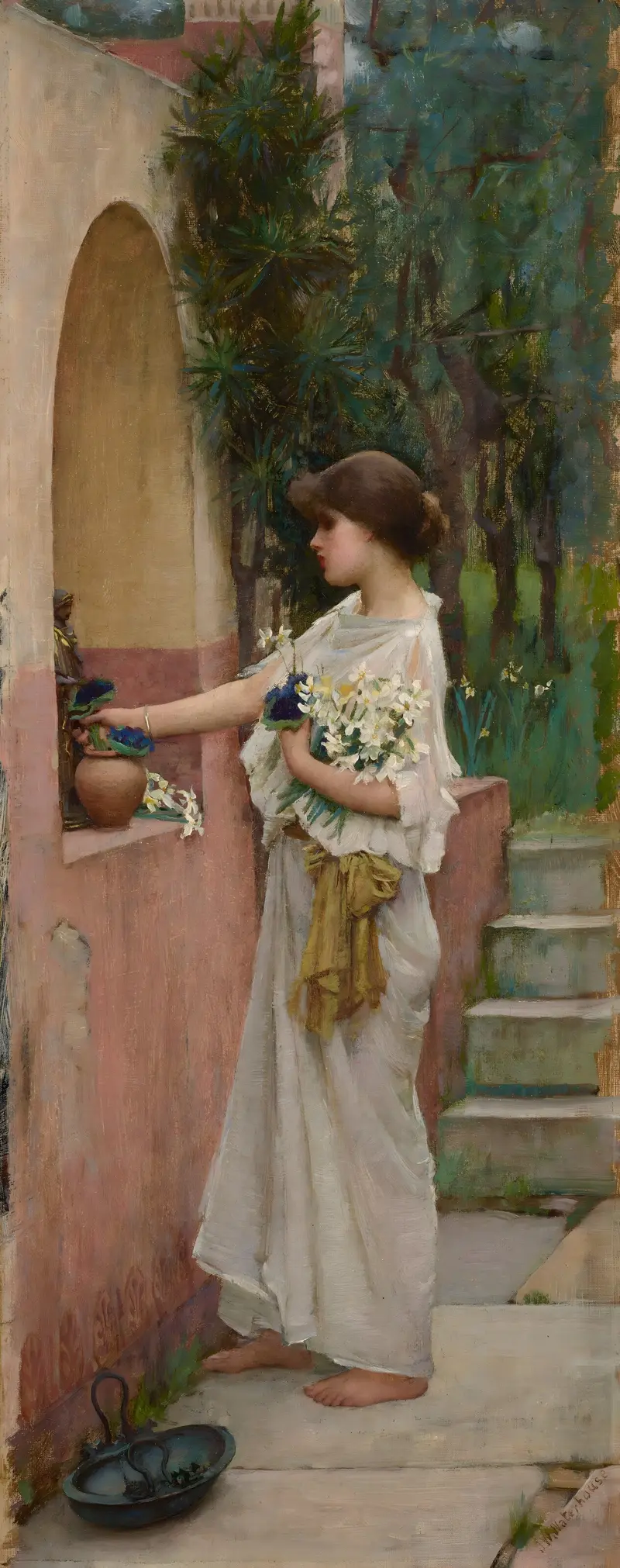
A Roman Offering
John William Waterhouse
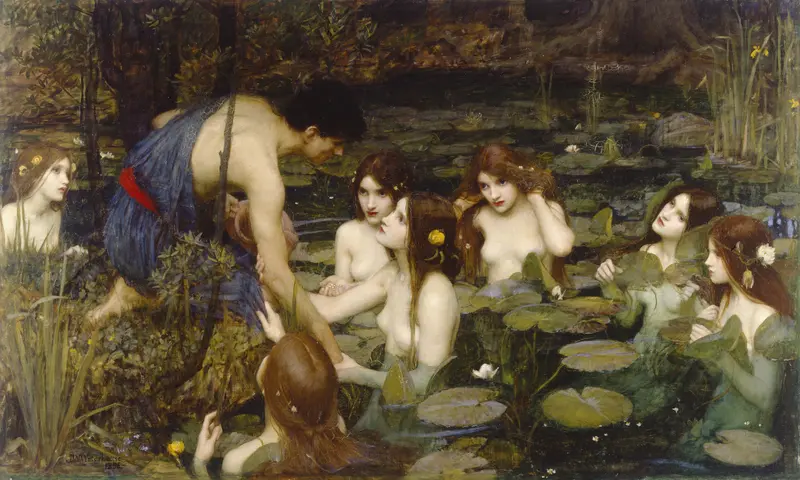
Hylas and the Nymphs
John William Waterhouse
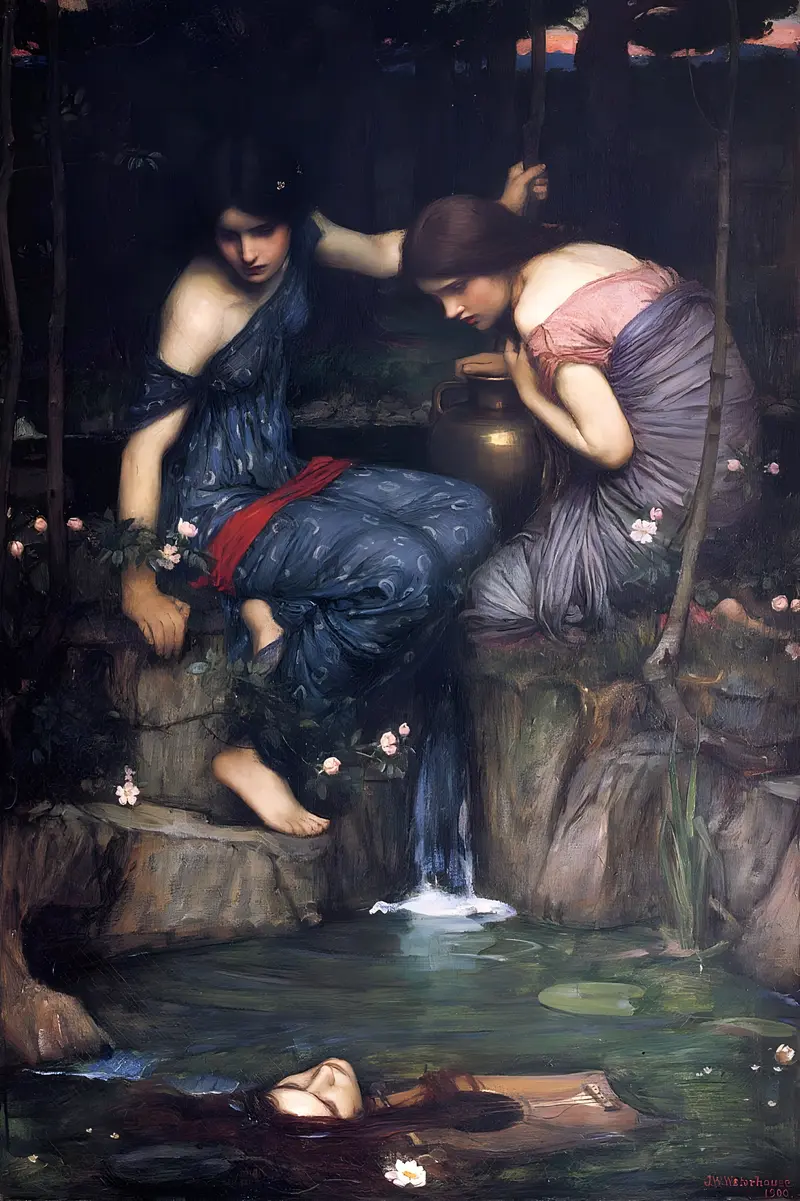
Nymphs Finding the Head of Orpheus
John William Waterhouse
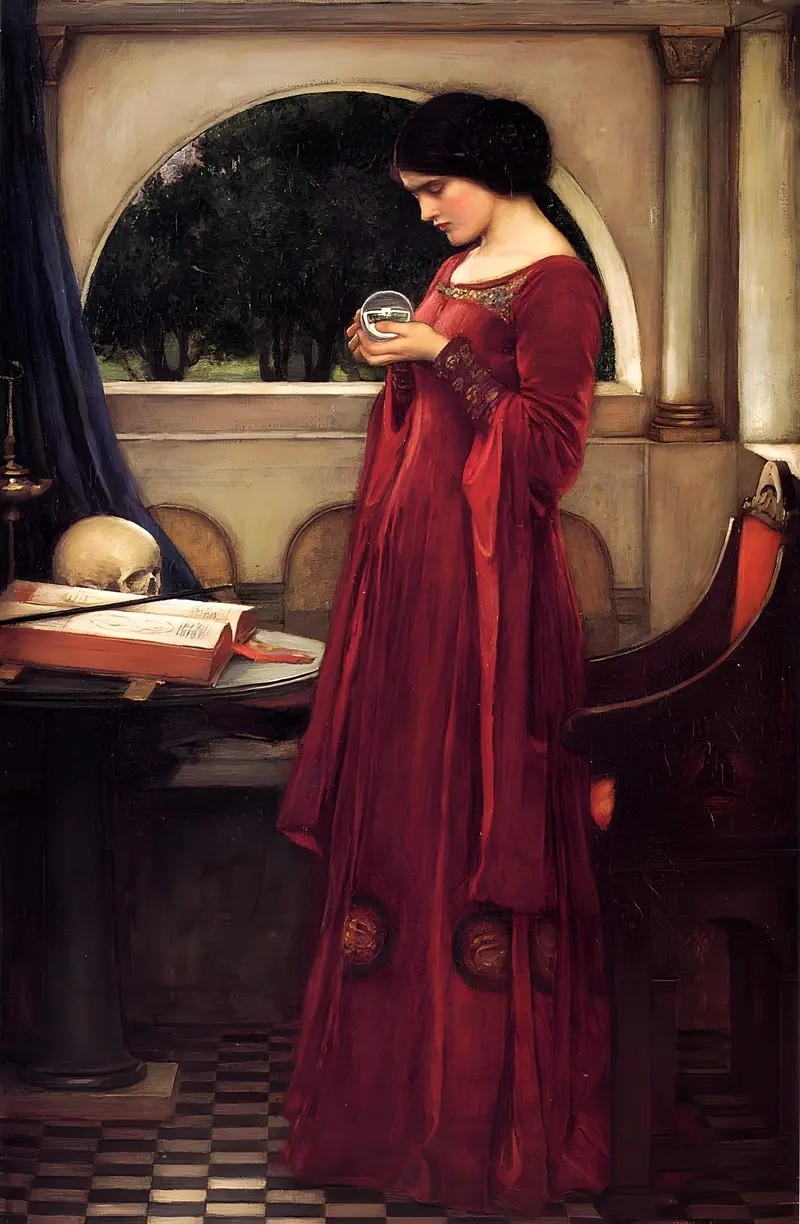
The Crystal Ball
John William Waterhouse
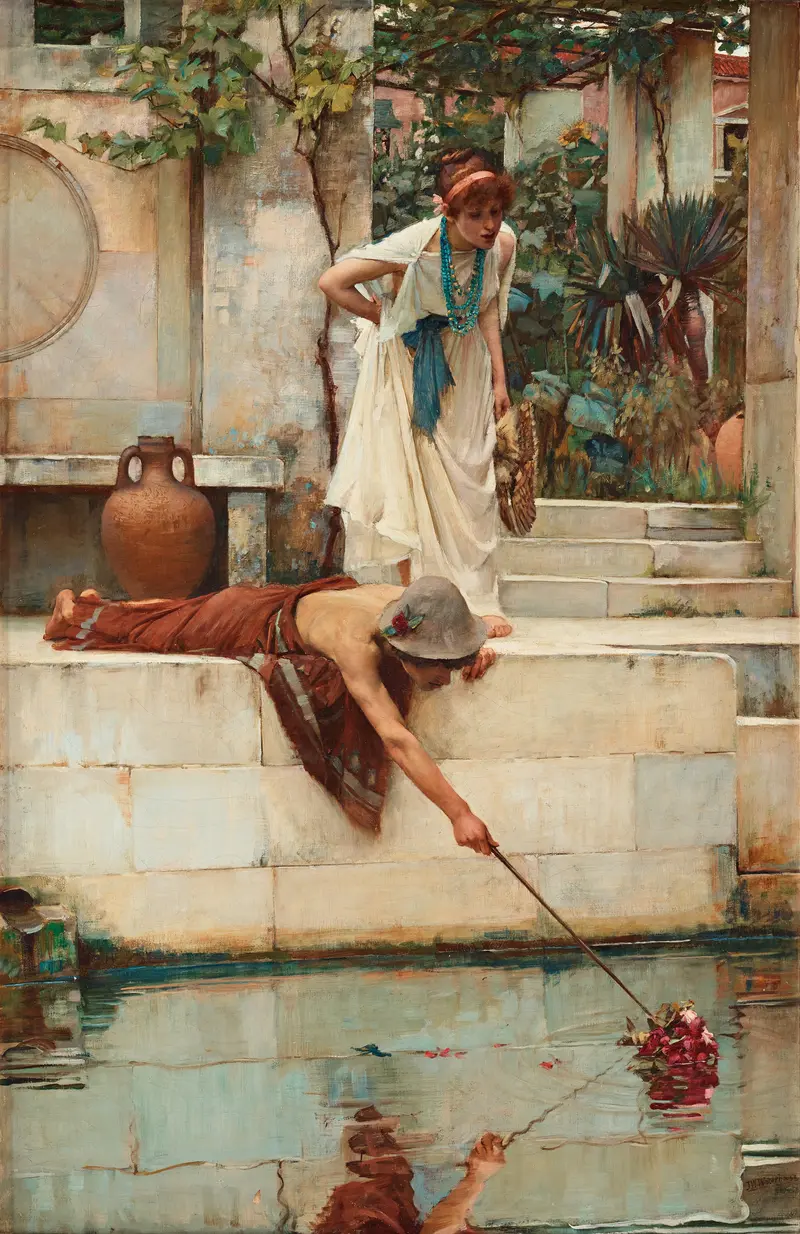
The Rescue
John William Waterhouse
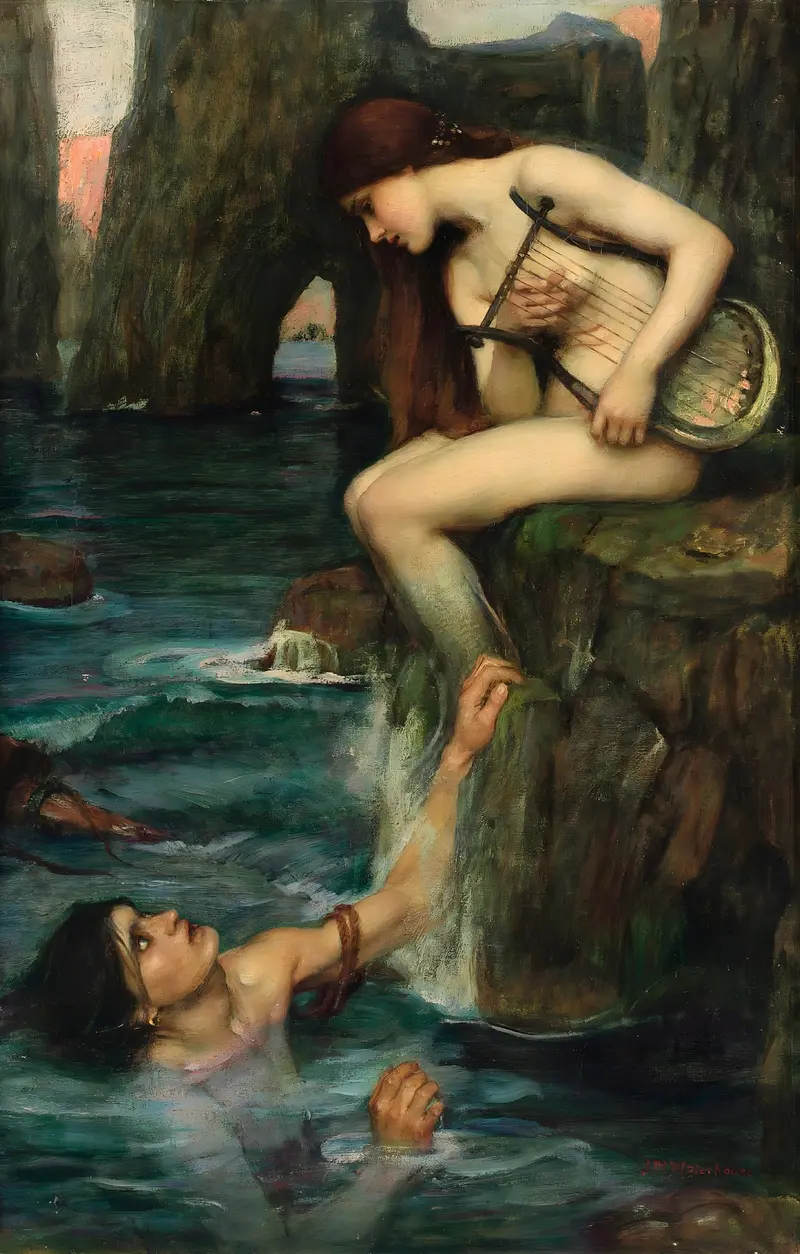
The Siren, 1900
John William Waterhouse





