
Baroncelli Polyptych — History & Facts
In 1320, the Franciscan friars of Santa Croce in Florence commissioned Giotto di Bondone to create the Baroncelli Polyptych for the Baroncelli family chapel—a testament to both the family's devotion and their rising status in the city. This altarpiece marks one of the last major works Giotto painted in Florence before leaving for Naples, and it stands as a rare surviving example of his panel painting, since so many of his works have been lost or heavily restored. The polyptych's original frame and predella are missing, and its medium remains uncertain, adding an air of mystery that continues to intrigue scholars. Giotto chooses the moment of the Virgin's coronation in heaven, surrounded by a celestial assembly of saints and angels.
The central panel draws the eye to the Madonna, crowned by Christ, her hands folded in humility, while the surrounding saints—each identified by their attributes, such as St. John the Evangelist’s chalice or St. Francis’s stigmata—bear silent witness.
Gold-leaf backgrounds shimmer, separating the holy figures from earthly space, yet Giotto’s attention to physical volume and individualized faces brings the divine scene closer to the viewer. Unlike the more rigid, hieratic compositions of earlier artists like Duccio, Giotto’s figures interact with gentle gestures and glances, suggesting a new, humanized approach to sacred narrative. Over the centuries, the Baroncelli Polyptych has suffered the fate of many medieval altarpieces: disassembly, loss of original elements, and movement from its chapel. While the main panels remain in Florence’s Santa Croce, some fragments and predella scenes are scattered in collections across Europe and America.
The work marks a high point in Giotto’s career, bridging the Gothic tradition and the early stirrings of the Renaissance. Today, the polyptych is admired not only as a devotional object but also as a pivotal step in the evolution of Western painting, embodying both the spiritual ideals and the new artistic ambitions of fourteenth-century Florence.
More Artworks by Giotto di Bondone
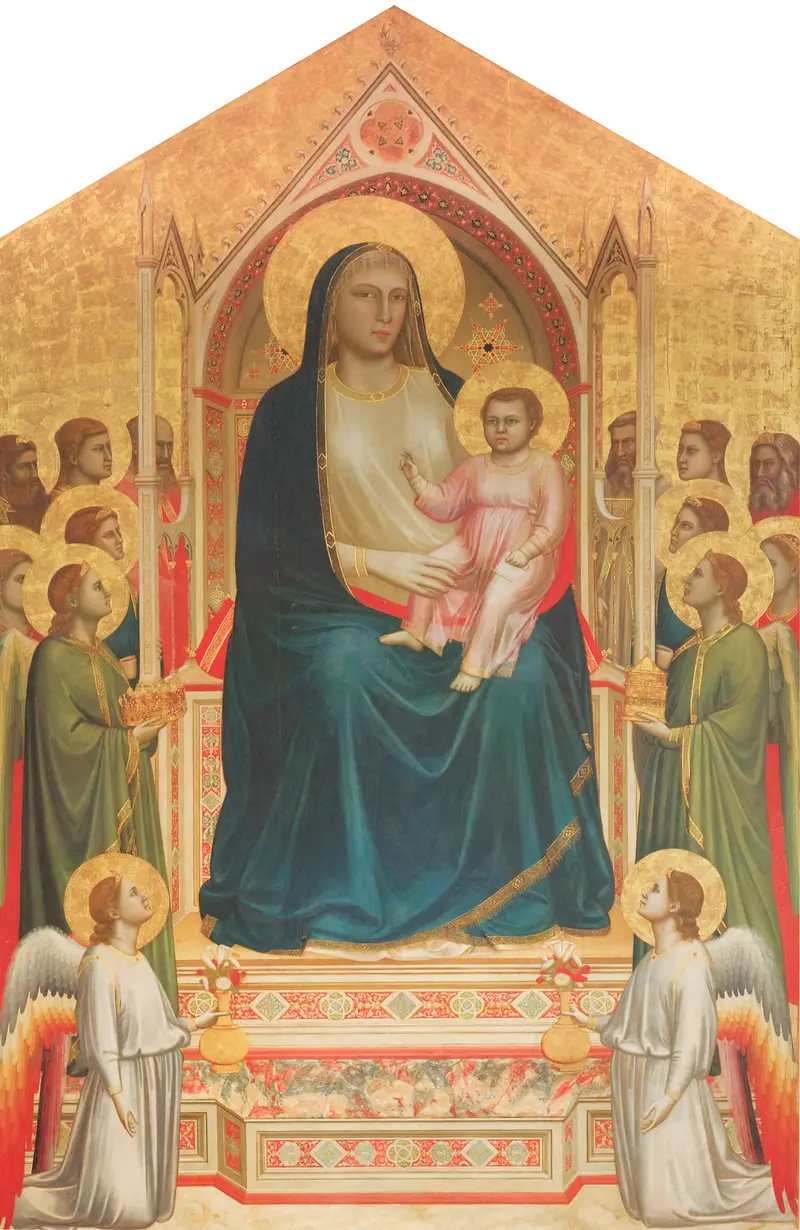
Ognissanti Madonna
Giotto di Bondone
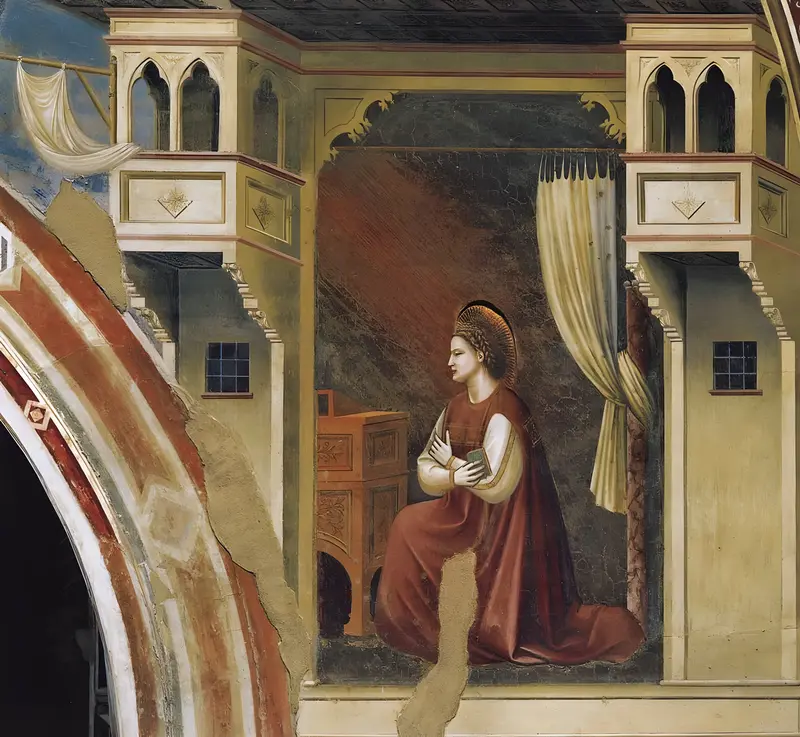
The Virgin of the Annunciation
Giotto di Bondone
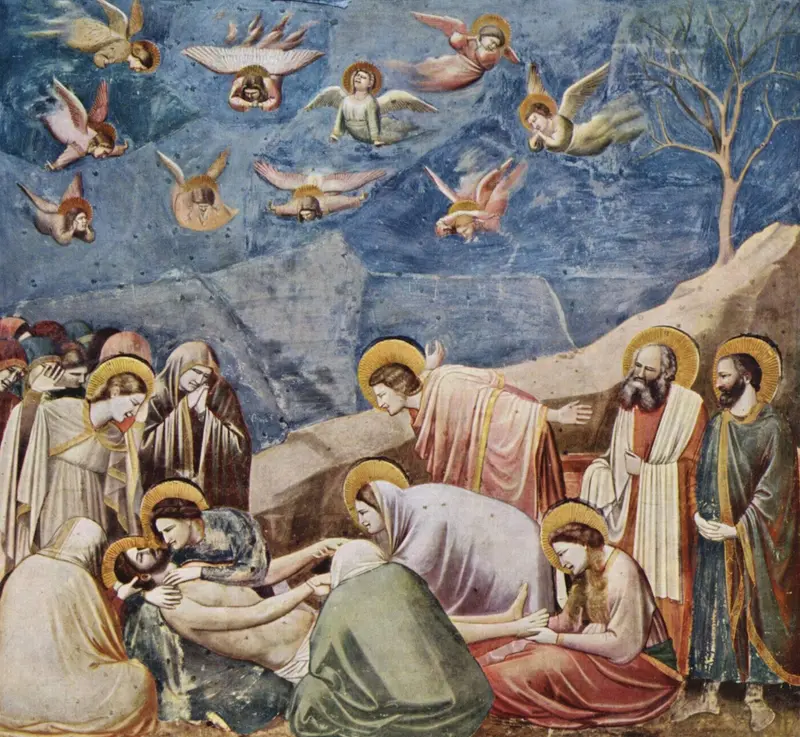
Lamentation (The Mourning of Christ)
Giotto di Bondone
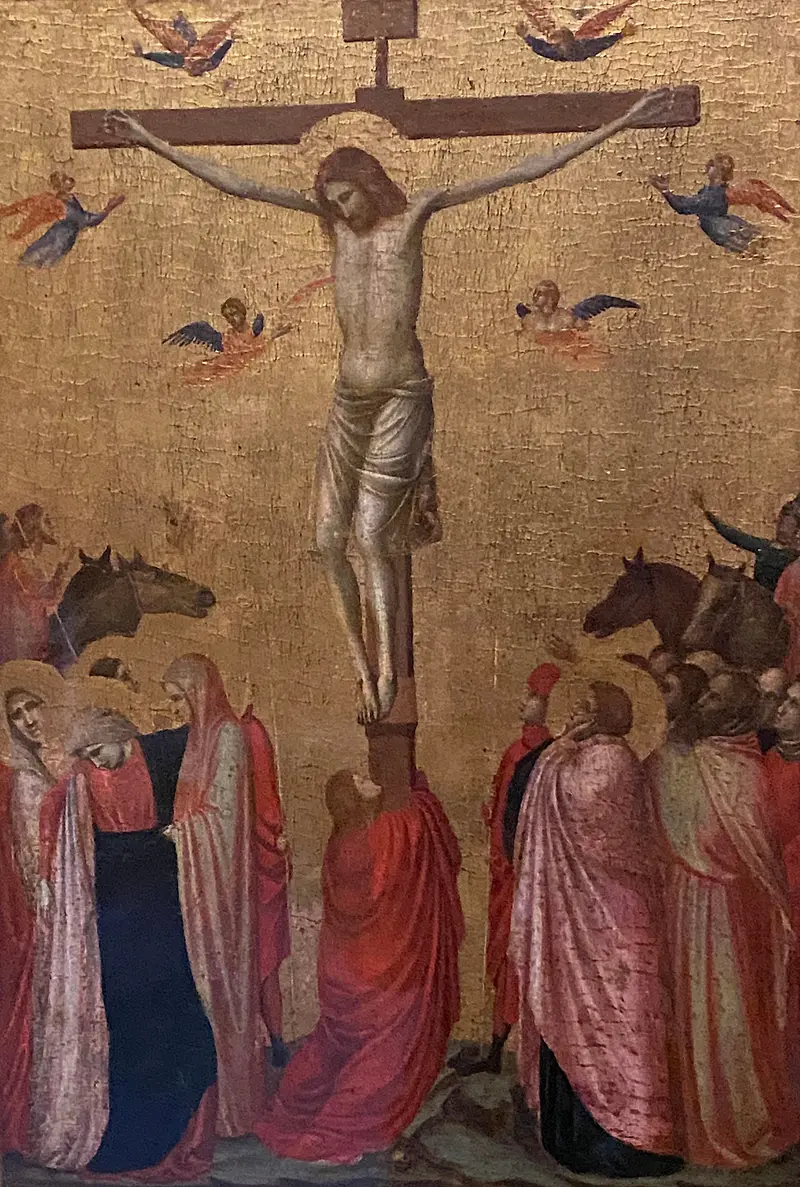
Crucifixion of Strasbourg
Giotto di Bondone
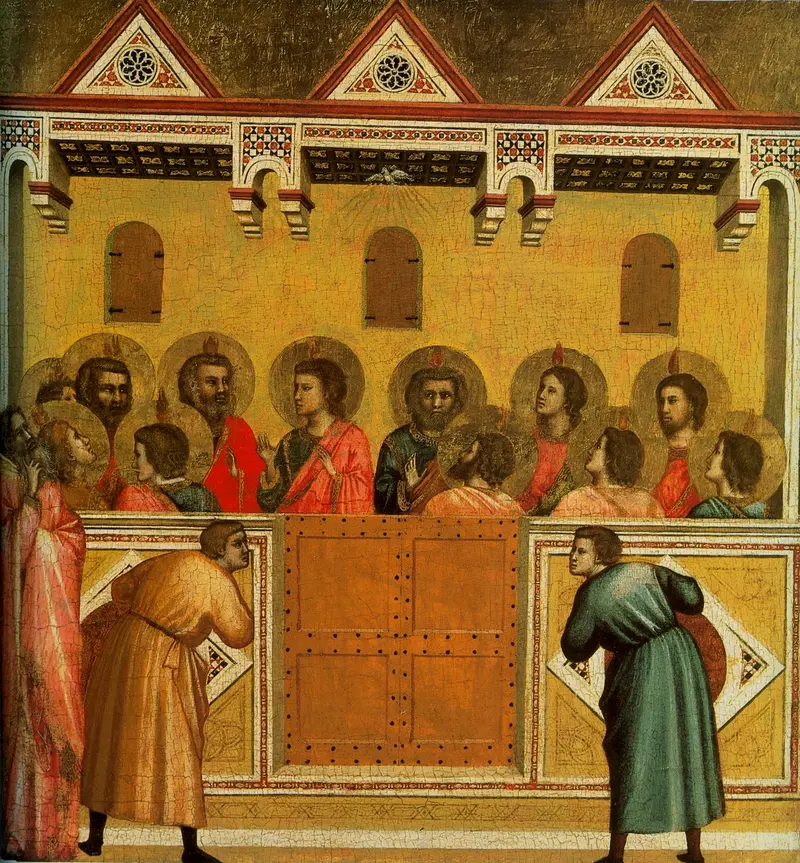
Pentecost
Giotto di Bondone
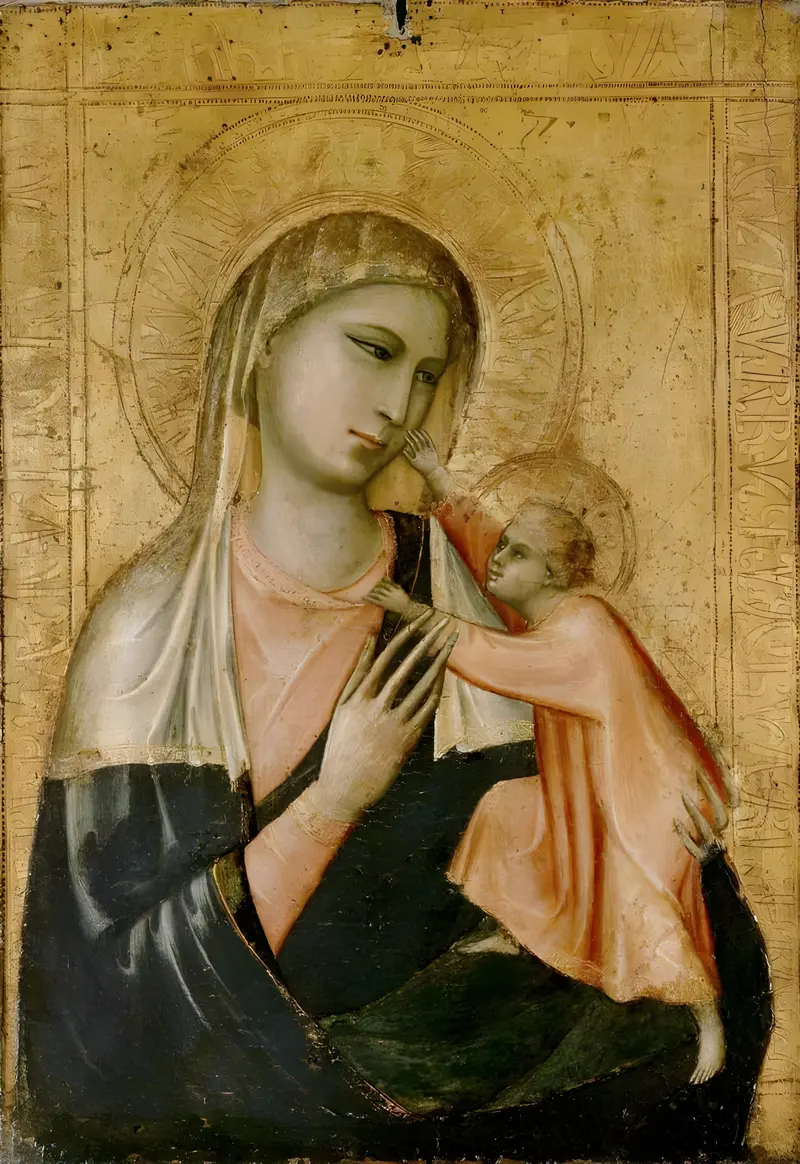
The Virgin and Child
Giotto di Bondone
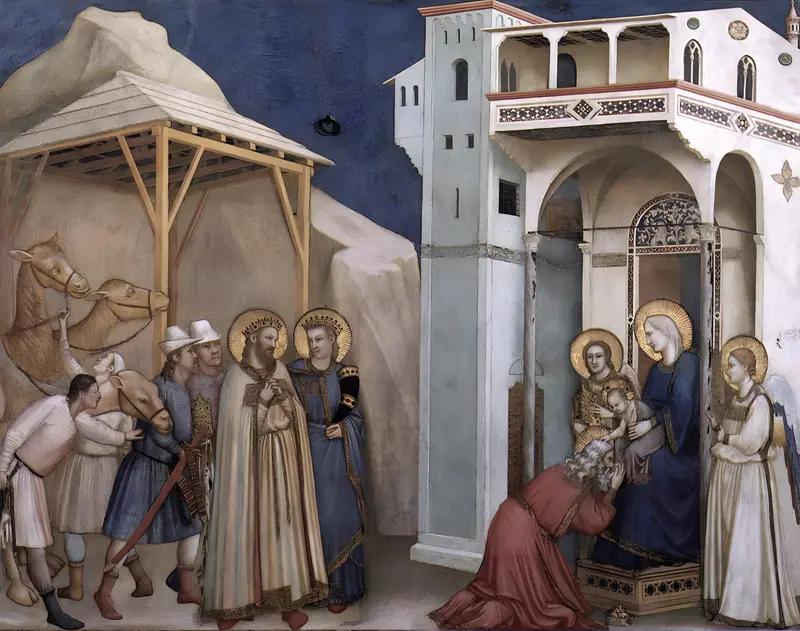
Anbetung der Könige
Giotto di Bondone
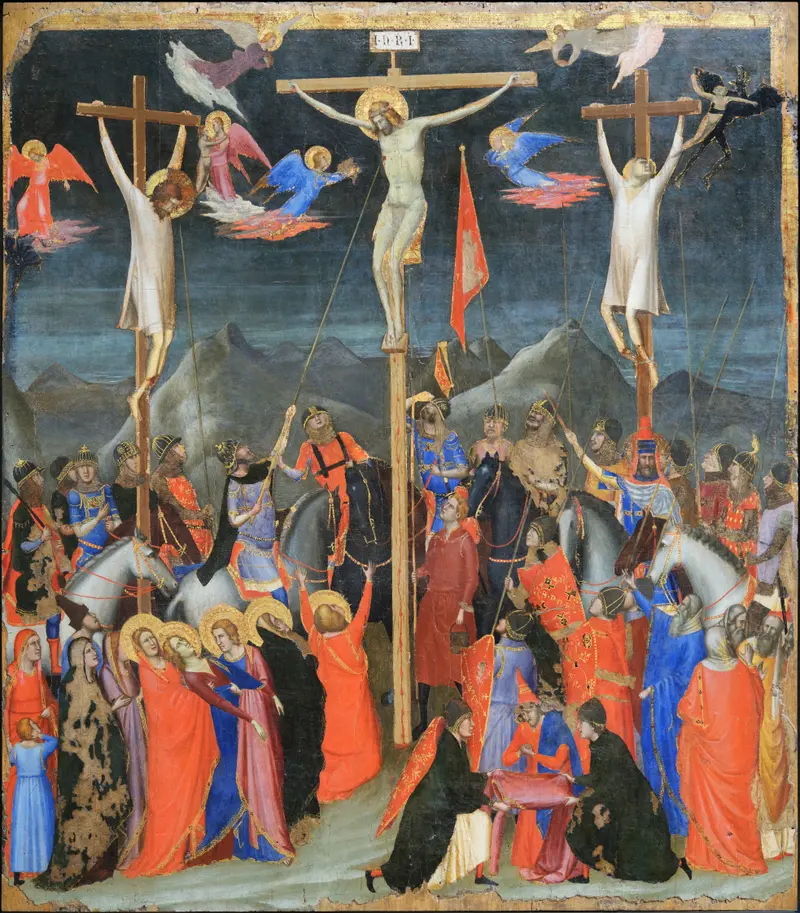
Crucifixion
Giotto di Bondone
The Visitation
Giotto di Bondone
Bologna Polyptych
Giotto di Bondone





