
Cinq chevaux vus par la croupe — History & Facts
In 1821, at the height of his fascination with equine anatomy, Théodore Géricault painted Cinq chevaux vus par la croupe—a work that stands out for its radical focus: five horses seen entirely from behind. This unusual perspective was not merely a technical exercise but a deliberate challenge to academic norms, which typically favored heroic or narrative scenes. Géricault, fresh from the scandal and acclaim of The Raft of the Medusa, was obsessed with the power and vulnerability of the horse, and this painting is one of the most direct expressions of that obsession.
The work's composition, with its almost confrontational presentation of animal hindquarters, was so striking that it was referenced in the artist's own circle as a "study of strength and character from the least expected angle." The moment Géricault chose is one of quiet, almost awkward stillness: five horses, their powerful rumps filling the foreground, stand close together, their heads turned away from the viewer. There is no battle, no rider, no landscape to distract from the sheer physicality of the animals. Each horse is rendered with meticulous attention to muscle, skin, and tail, their differences in color and build suggesting individual personalities.
The light falls across their backs, highlighting the tension and movement just beneath the surface. Unlike the idealized horses of Jacques-Louis David or the decorative steeds in English sporting art, Géricault’s animals are real, solid, and a little unruly—creatures of flesh and mood, not just symbols of nobility or speed. The exact commission history of Cinq chevaux vus par la croupe remains uncertain, but it is widely believed to have been painted during Géricault’s English sojourn, a period when he produced numerous studies of horses at stables and fairs. The work’s medium is debated: some catalogues list it as oil on canvas, others as a highly finished study on paper or panel.
Over the years, it has passed through several private collections and has occasionally been misattributed or confused with other horse studies by Géricault, who painted and drew horses obsessively throughout his short career. Today, the painting is recognized as a testament to his unorthodox vision and deep empathy for his animal subjects, a key piece in understanding the Romantic movement’s fascination with raw, unfiltered nature.
More Artworks by Théodore Géricault
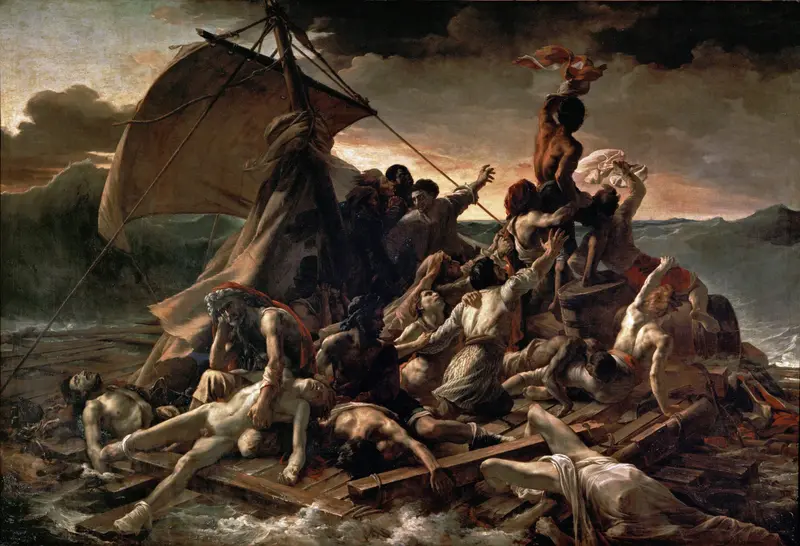
The Raft of the Medusa
Théodore Géricault

Géricault - Le naufrage du radeau de la Méduse, MBA 790
Théodore Géricault
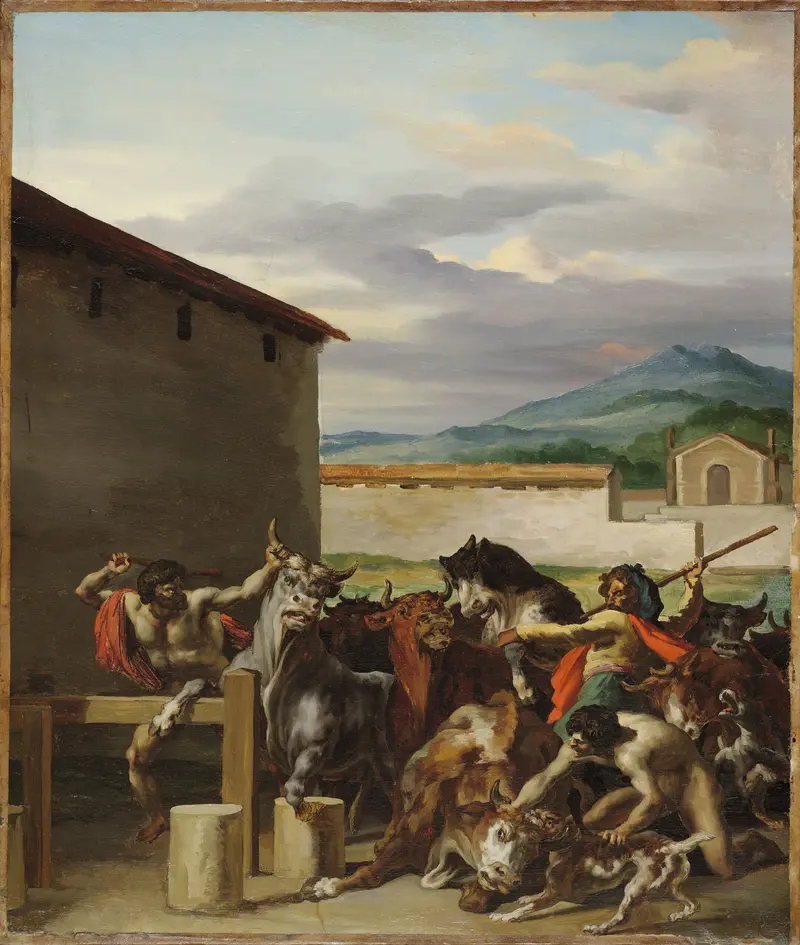
Cattle Market
Théodore Géricault
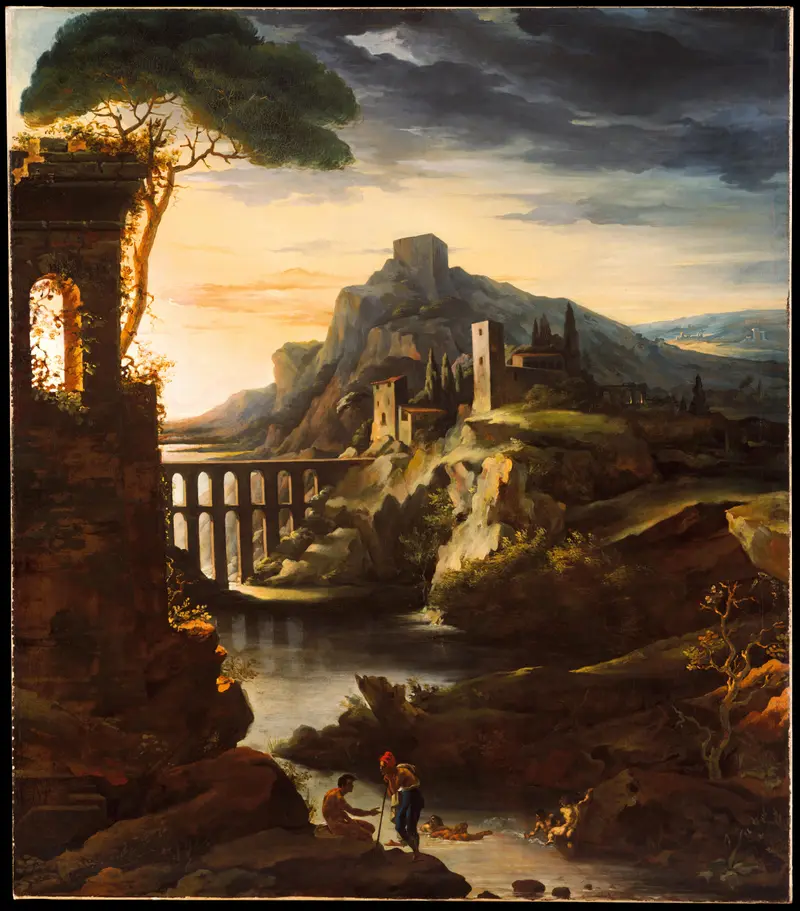
Evening; Landscape with an Aqueduct
Théodore Géricault
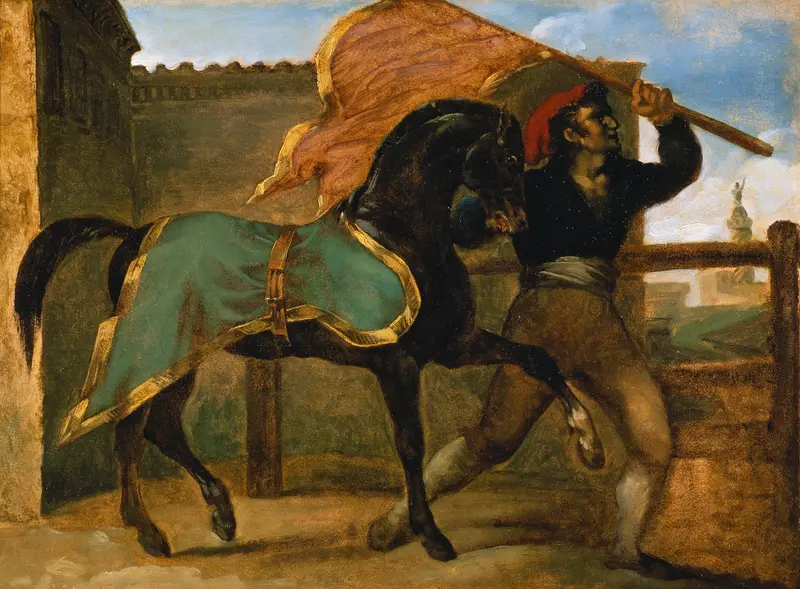
Horse Race
Théodore Géricault

Horses Standing in a Mews
Théodore Géricault
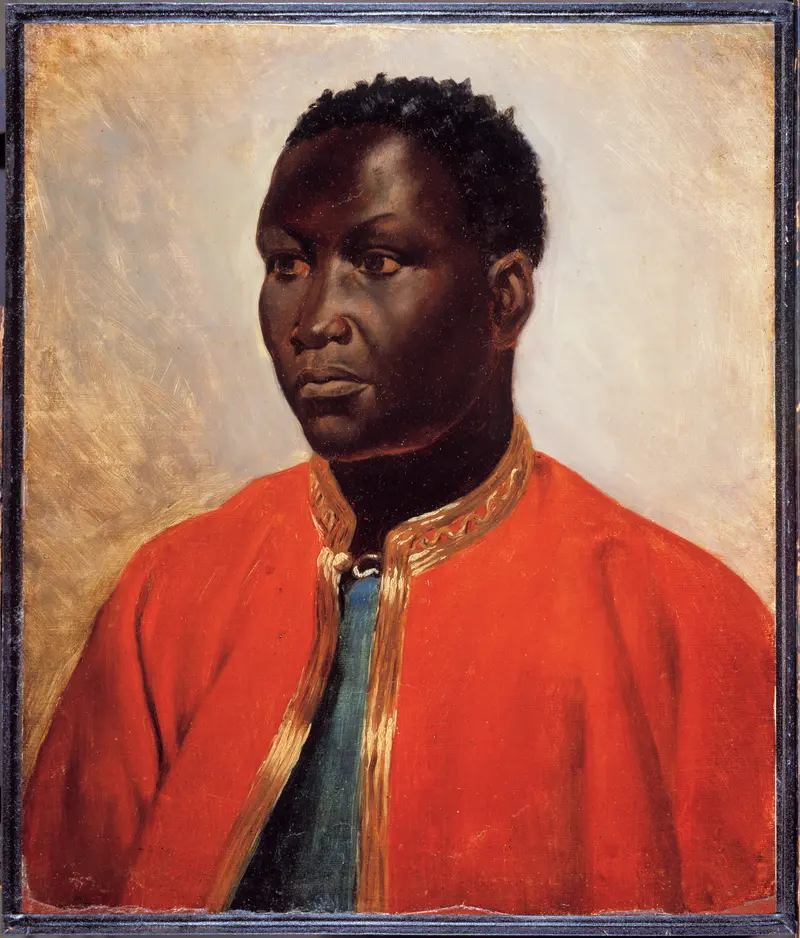
Portrait of a Negro
Théodore Géricault
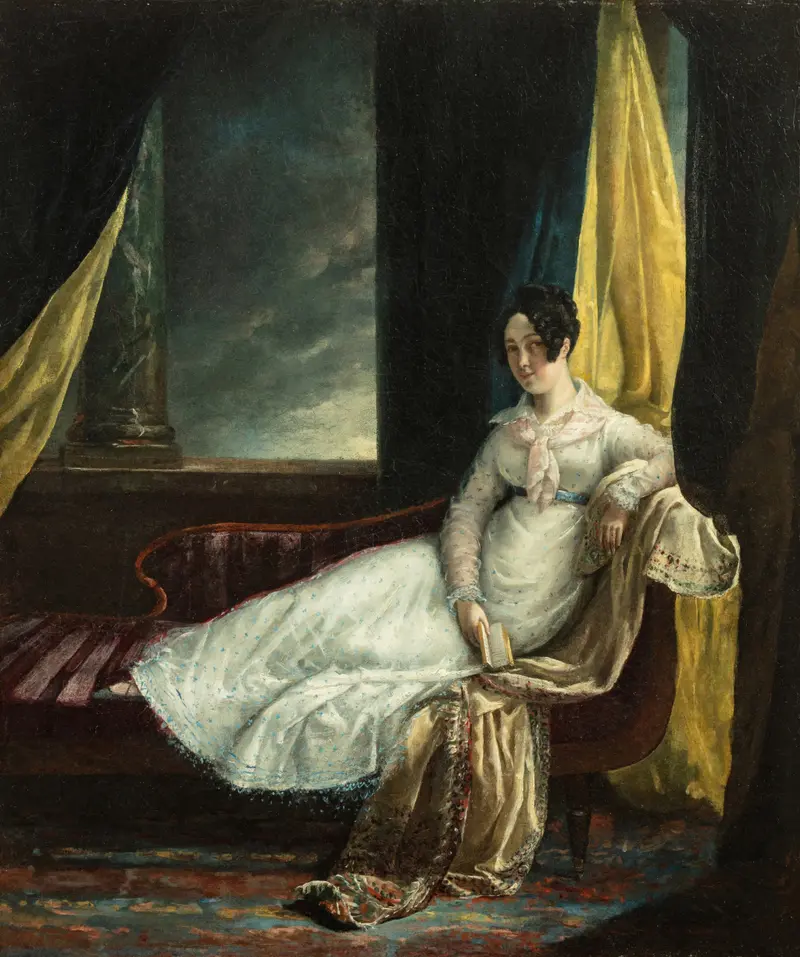
Portrait of Zoë Elmore
Théodore Géricault
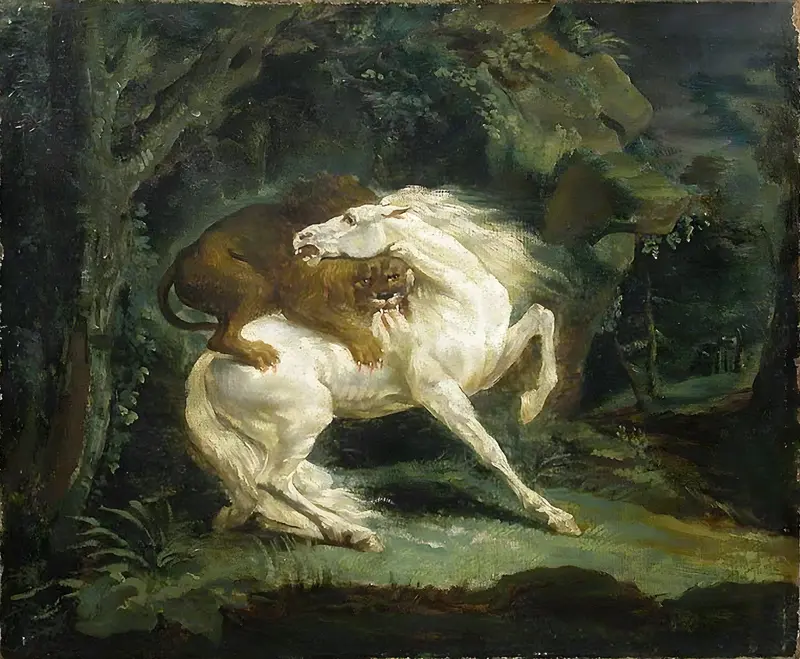
Cheval attaqué par un lion
Théodore Géricault
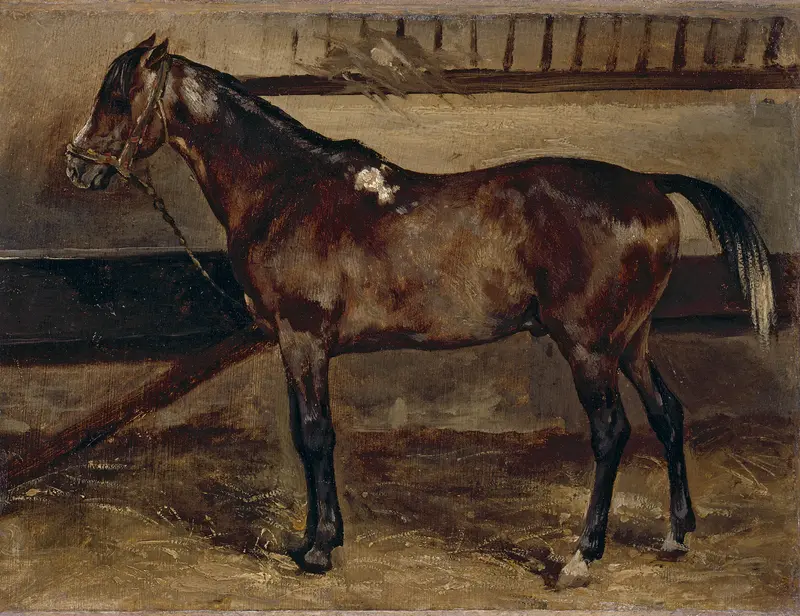
Cheval brun à l'écurie
Théodore Géricault





