
Coresus Sacrificing Himself to Save Callirhoe — History & Facts
When Jean-Honoré Fragonard submitted Coresus Sacrificing Himself to Save Callirhoe to the Prix de Rome competition in 1765, he won the coveted first prize, securing his place among the leading young artists of eighteenth-century France. This triumph was not only a personal victory for Fragonard, but also a dramatic moment in the history of the French Academy, as the painting’s emotional intensity and theatrical staging set it apart from the more restrained works typically favored by the judges. The subject, drawn from Pausanias’s Description of Greece, was rarely painted, making Fragonard’s choice both ambitious and unusual for the time. At the heart of the painting, the priest Coresus plunges a knife into his own chest, his sacrifice meant to save Callirhoe, the woman he loves, from being offered up to appease the gods and end a deadly plague in Calydon.
Callirhoe, collapsed in a faint beside the altar, is framed by the anguished gestures of onlookers and the shadowy temple interior. Fragonard’s swirling brushwork and dramatic lighting focus the eye on Coresus’s white-robed figure, the sacrificial knife, and the blood that stains the altar—symbols of both religious duty and personal devotion. Unlike David’s later, more stoic neoclassical treatments of sacrifice, Fragonard’s scene pulses with movement and emotion, the chaos and grief of the moment rendered in every gesture and fold of cloth. After its success at the Prix de Rome, Coresus Sacrificing Himself to Save Callirhoe was exhibited at the Salon of 1765, where it drew considerable attention for its scale and drama.
The painting was then sent to Rome as part of Fragonard’s prize, and for a time, it hung in the French Academy there. Over the centuries, the work remained in France and is today housed in the Musée du Louvre. For Fragonard, this painting marked a turning point: soon after, he would abandon grand historical canvases for the lighter, more intimate scenes that would make his name synonymous with the Rococo movement.
More Artworks by Jean-Honoré Fragonard
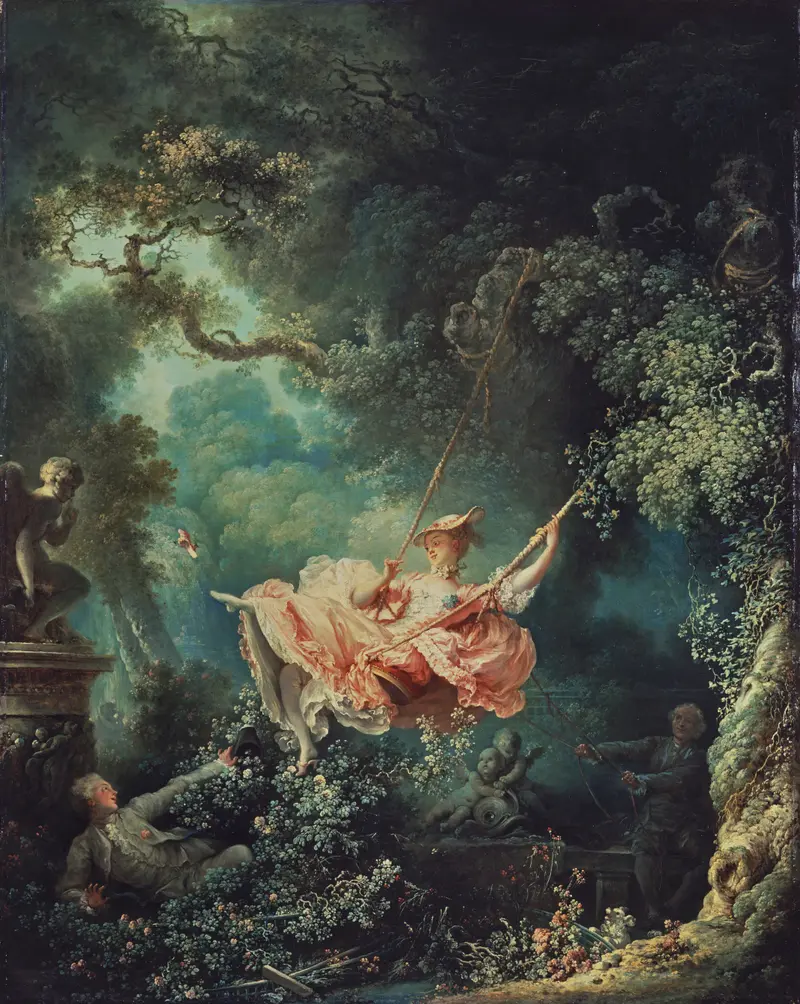
The Swing
Jean-Honoré Fragonard

The Swing
Jean-Honoré Fragonard
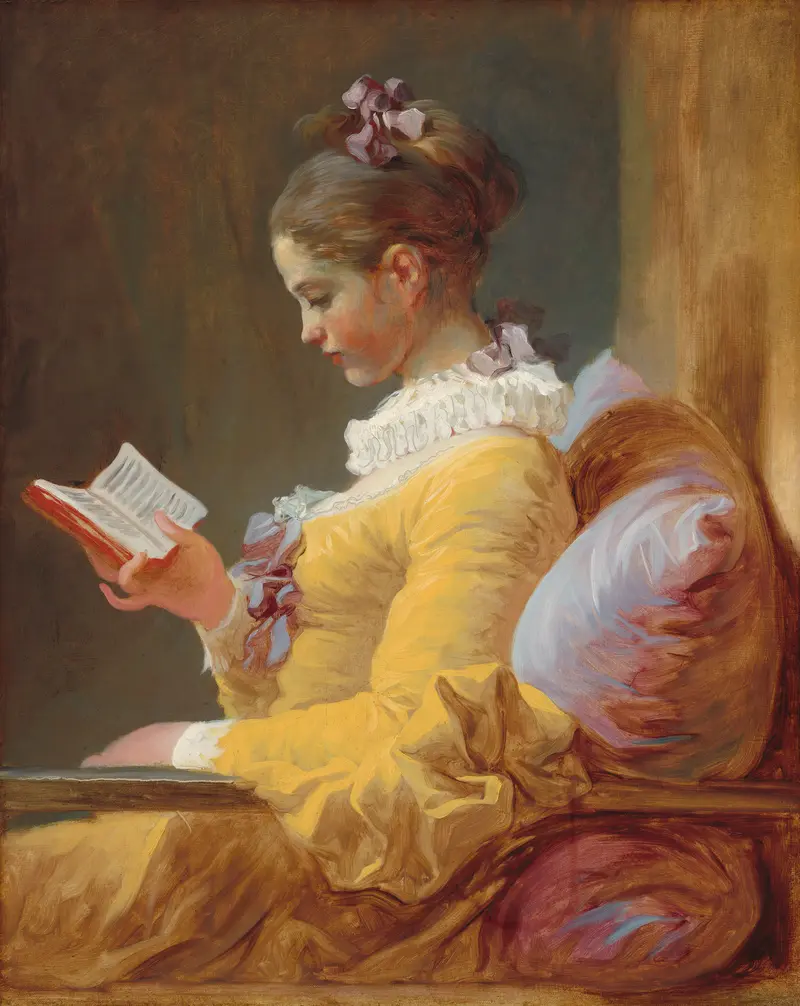
A Young Girl Reading
Jean-Honoré Fragonard
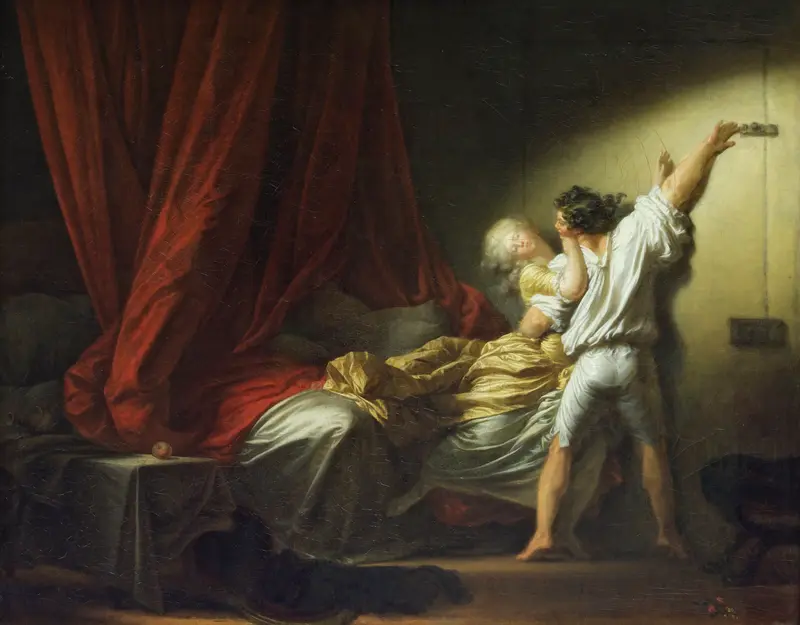
The Lock
Jean-Honoré Fragonard
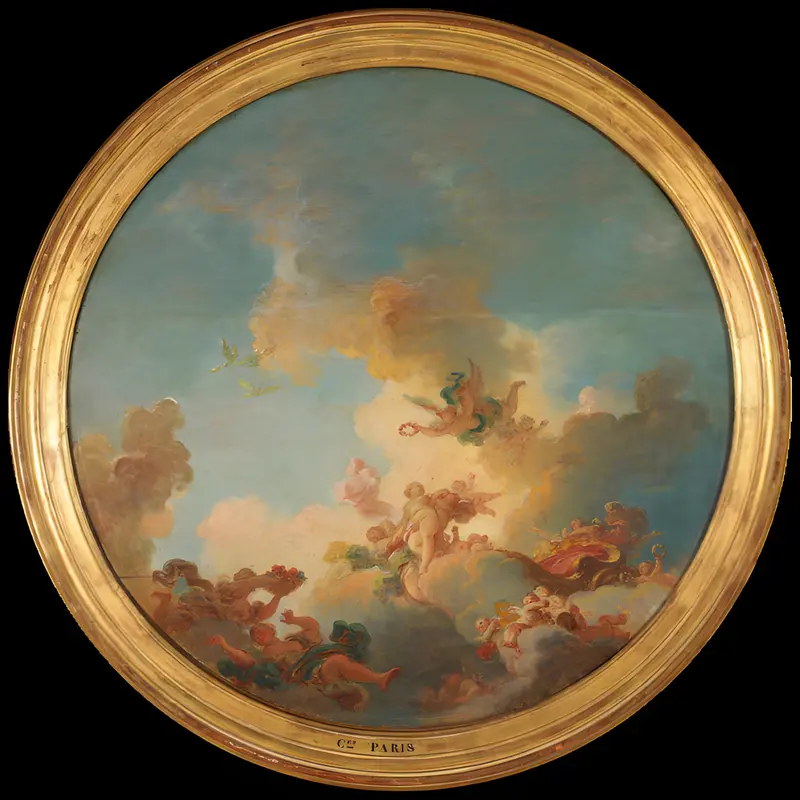
The Triumph of Venus
Jean-Honoré Fragonard
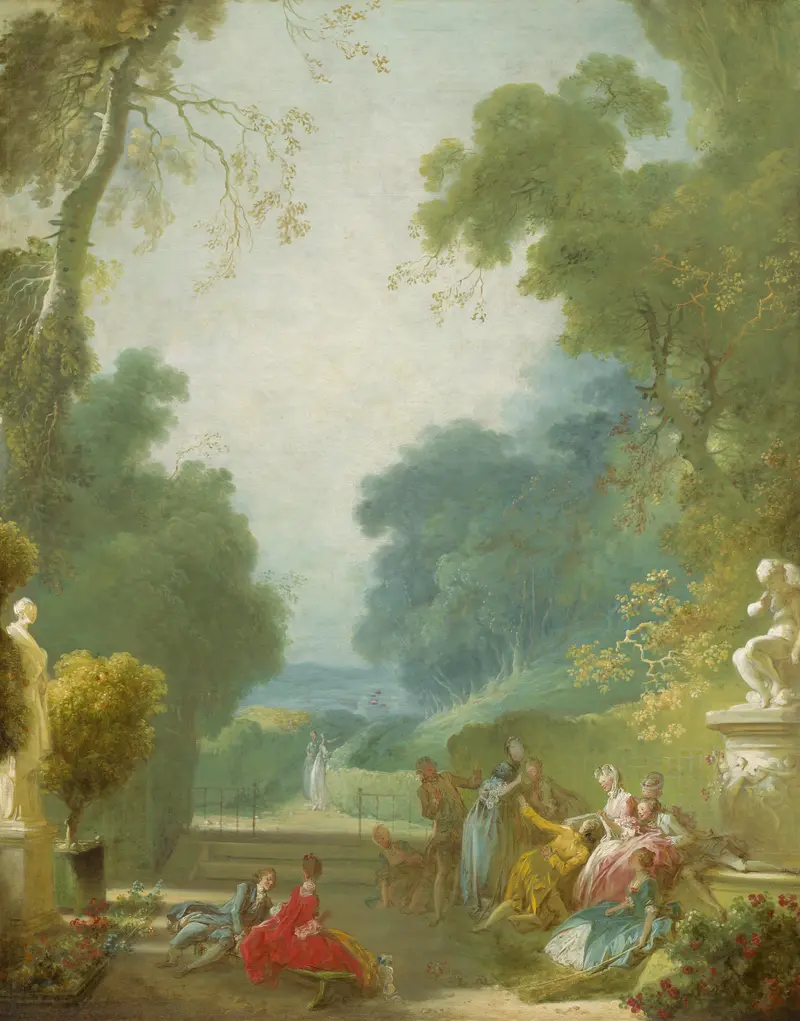
A Game of Hot Cockles
Jean-Honoré Fragonard
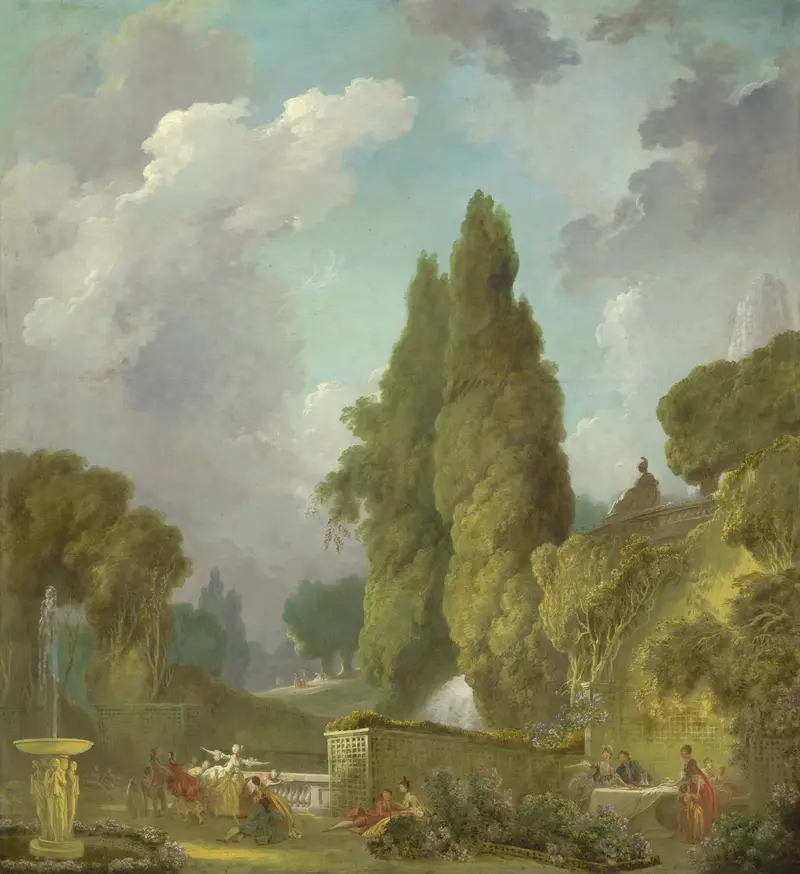
Blindman’s Buff
Jean-Honoré Fragonard
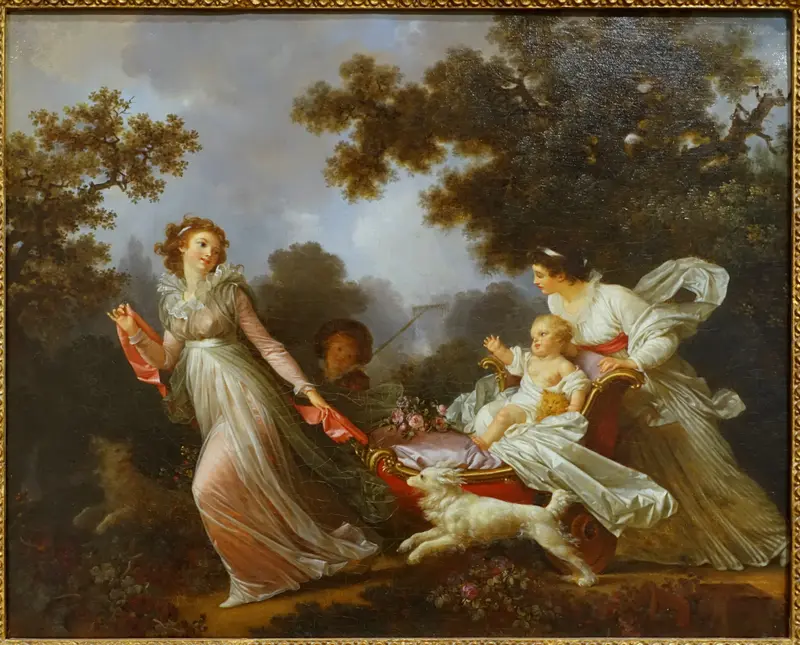
The Beloved Child
Jean-Honoré Fragonard
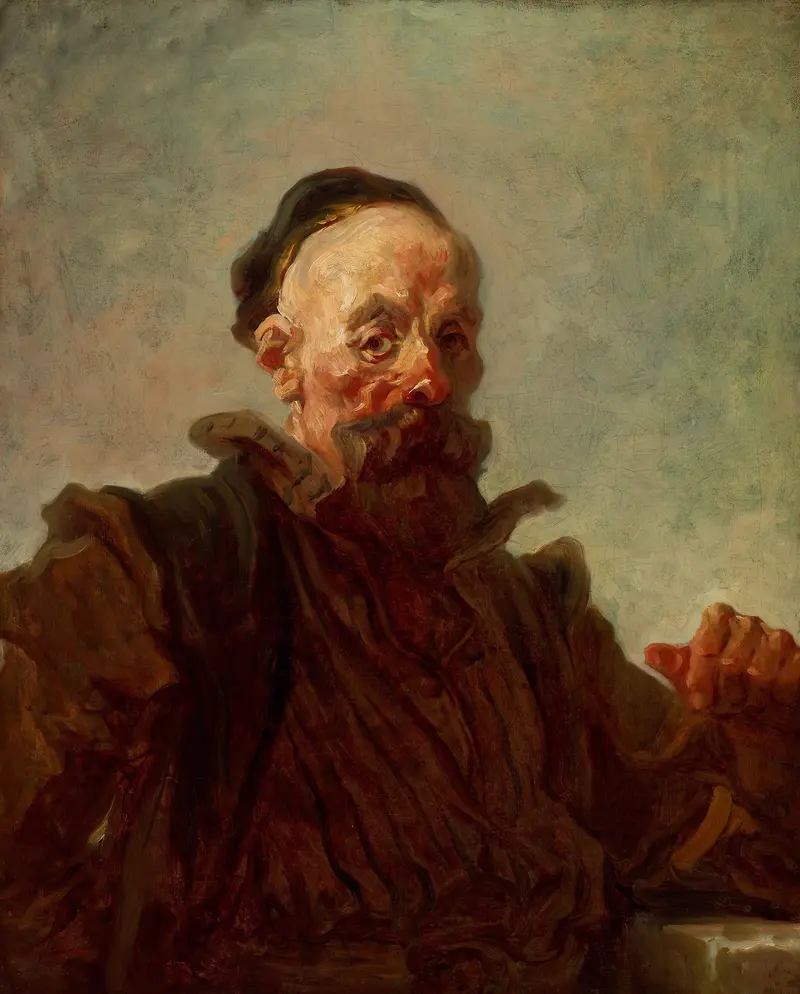
Portrait of a Man in Costume
Jean-Honoré Fragonard
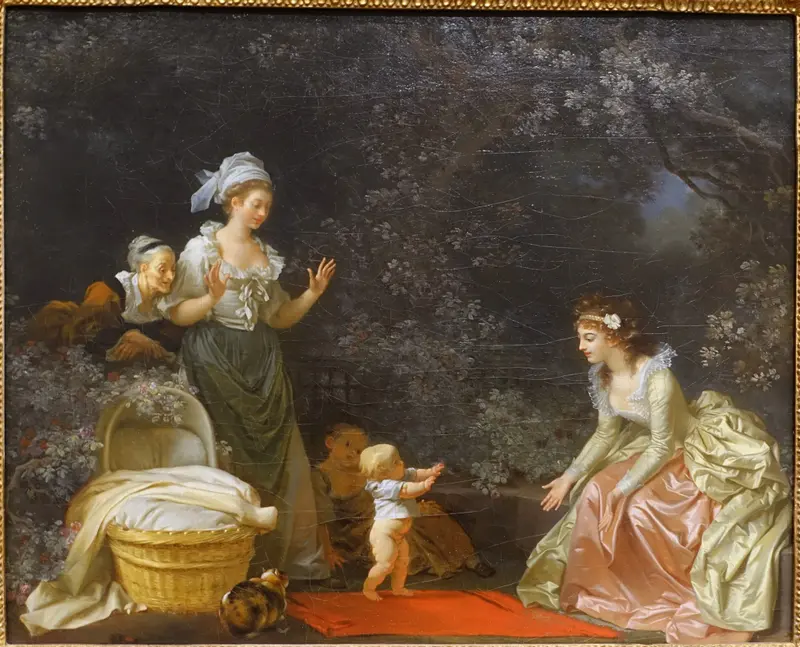
The First Steps
Jean-Honoré Fragonard





