
Equestrian Portrait of Charles V — History & Facts
No other painting by Théodore Géricault has stirred as much confusion among historians as his Equestrian Portrait of Charles V, completed in 1814. For decades, scholars puzzled over why a young French Romantic, barely twenty-three, would choose to depict the Holy Roman Emperor Charles V—a figure more closely associated with the grandeur of Titian and the Habsburgs than with post-Revolutionary France. Some suggest Géricault was responding to a resurgence of interest in imperial themes during the waning days of Napoleon’s reign, while others point to a possible commission from a Bonapartist noble eager to draw parallels between Charles V and the Emperor of the French. Géricault’s painting captures Charles V at a moment of poised authority, astride a powerful charger, his gaze fixed on an unseen horizon.
The emperor’s armor gleams beneath a stormy sky, recalling the grandeur of Titian’s own Equestrian Portrait of Charles V—yet where Titian’s Charles is stoic, Géricault’s is tense, his grip on the reins almost white-knuckled. The horse, rendered with the anatomical precision that would later define Géricault’s studies, rears slightly, its energy barely contained. The red sash at Charles’s waist signals both military command and the burdens of rule, while the dark clouds overhead hint at the tumult of his reign.
Unlike the stately calm of Velázquez’s equestrian portraits, Géricault’s version pulses with unease, foreshadowing the Romantic fascination with inner conflict. The physical history of Equestrian Portrait of Charles V is less documented than that of Géricault’s later works. There is no surviving record of a patron, and the painting’s early whereabouts remain uncertain—unlike his celebrated The Raft of the Medusa, which entered the Louvre soon after its debut. Some speculate that the portrait was exhibited in the Paris Salon of 1814, but contemporary catalogues are silent.
Today, the work is recognized as an early experiment in the grand manner, reflecting Géricault’s ambition to rival the Old Masters and his fascination with the drama of power. While its medium remains unconfirmed, the painting stands as a testament to Géricault’s restless search for new forms of heroism on canvas.
More Artworks by Théodore Géricault
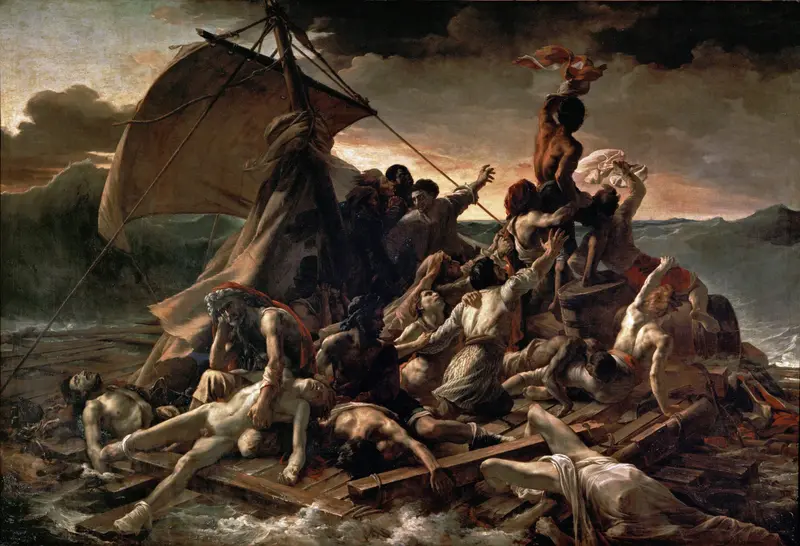
The Raft of the Medusa
Théodore Géricault

Géricault - Le naufrage du radeau de la Méduse, MBA 790
Théodore Géricault
Cattle Market
Théodore Géricault
Evening; Landscape with an Aqueduct
Théodore Géricault
Horse Race
Théodore Géricault

Horses Standing in a Mews
Théodore Géricault
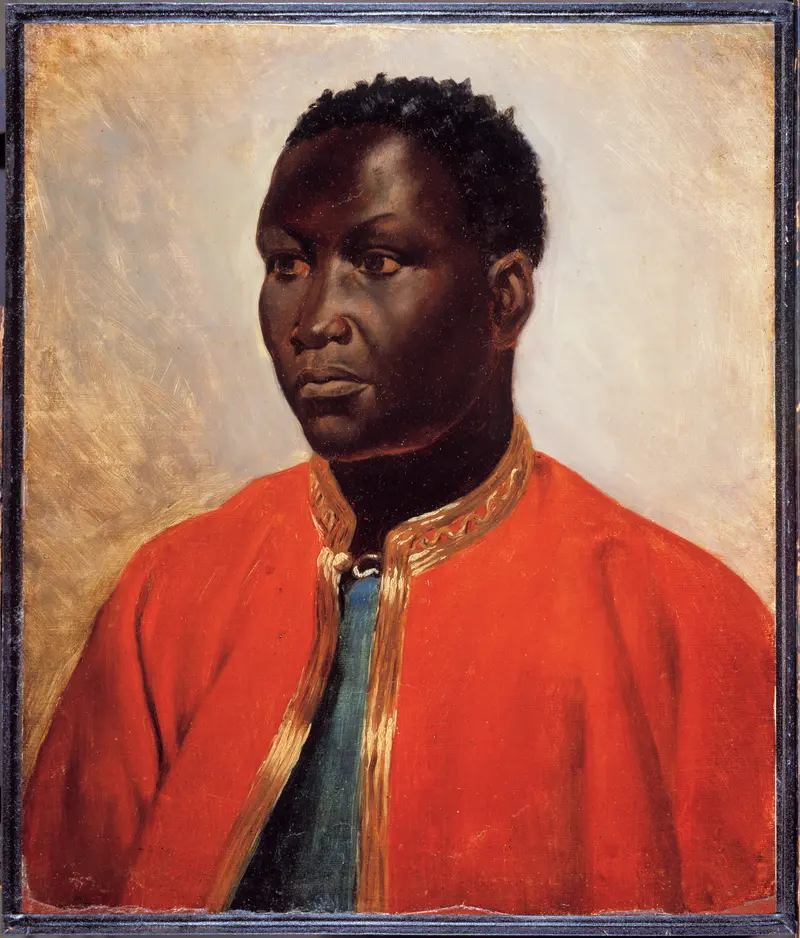
Portrait of a Negro
Théodore Géricault
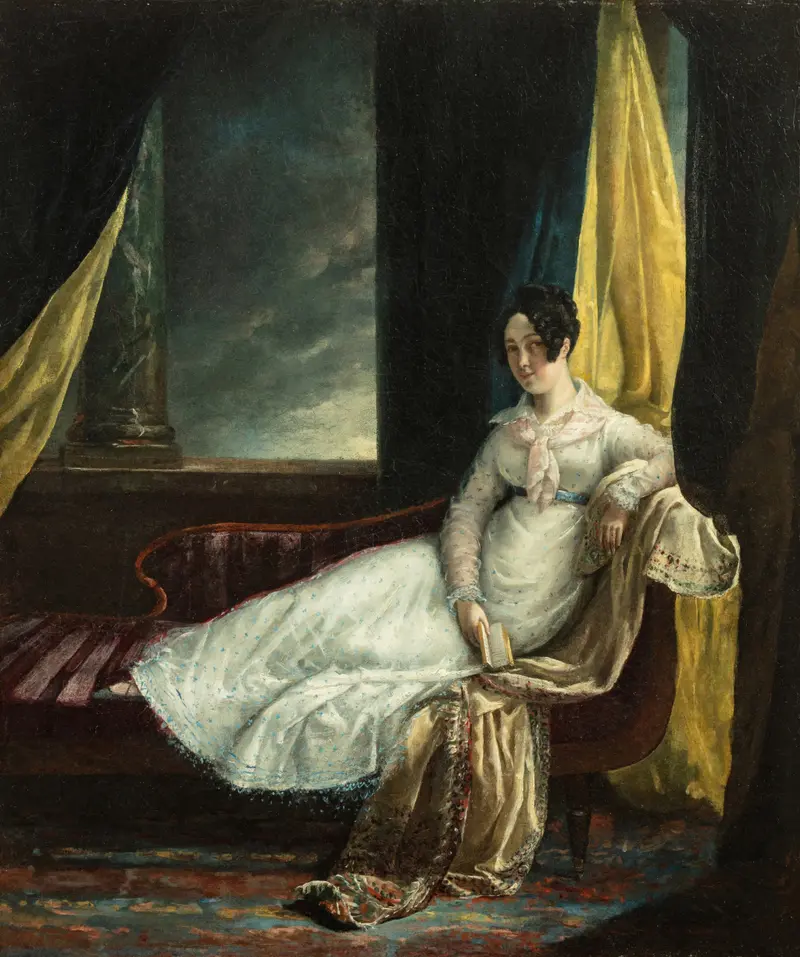
Portrait of Zoë Elmore
Théodore Géricault
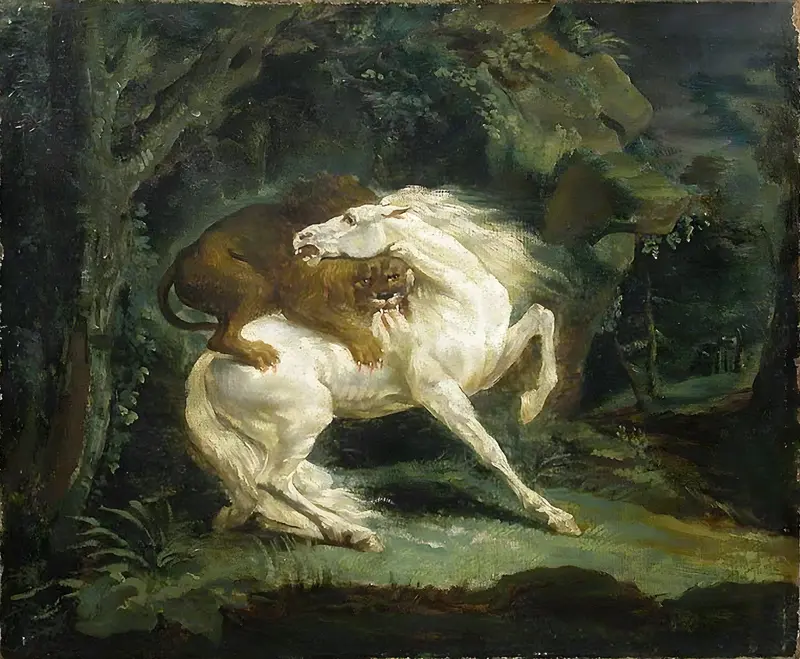
Cheval attaqué par un lion
Théodore Géricault
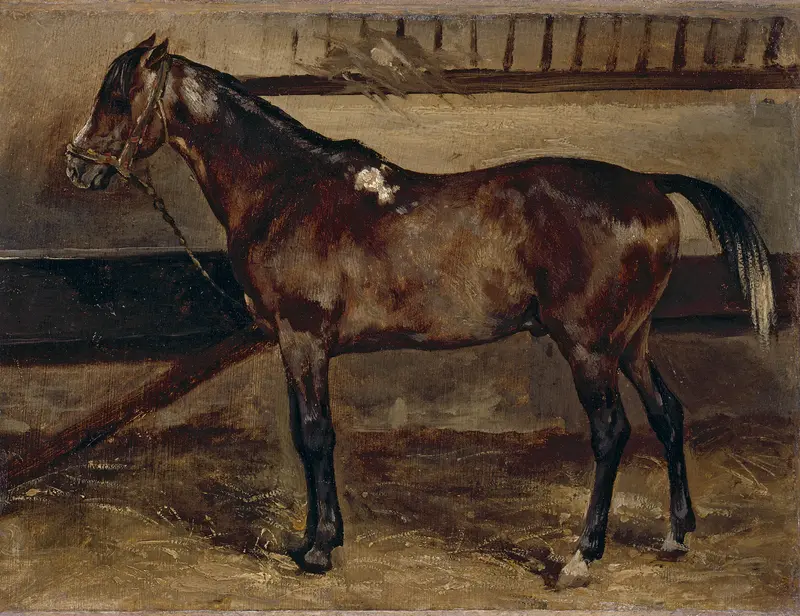
Cheval brun à l'écurie
Théodore Géricault





