
Kneeling Saint Mary Magdalene and Standing Christ — History & Facts
Few biblical figures have inspired as much fascination as Mary Magdalene, and in Kneeling Saint Mary Magdalene and Standing Christ, Filippino Lippi captures her at the most debated instant of her story: the moment she first recognizes the risen Christ after the Resurrection. This scene, known as "Noli me tangere" ("Do not touch me"), has been painted countless times, but Lippi’s version stands out for its psychological intimacy and the tenderness between the two figures. The exact origins of this painting remain uncertain, with scholars still debating whether it was intended for private devotion or as part of a larger altarpiece.
Its date and commission are lost to history, adding an air of mystery to an already enigmatic encounter. The painting freezes the moment when Mary Magdalene, grief-stricken and searching for Jesus’s body, turns and realizes she is speaking not to a gardener, but to Christ himself, newly risen. She kneels, hands outstretched in longing and awe, while Christ, standing before her, gestures gently to hold her back—his raised hand both a blessing and a reminder of the spiritual nature of their reunion. The Magdalene’s flowing hair and humble posture contrast with Christ’s upright, almost luminous figure, underscoring her humanity and his divinity.
The landscape behind them, serene and softly rendered, suggests the garden setting described in the Gospel of John. Unlike the dramatic gestures seen in Titian’s later Noli me tangere, Lippi’s approach is quieter, focusing on the emotional exchange rather than theatrical movement. As with many works by Filippino Lippi, the painting’s early provenance is unclear, a common fate for devotional images of the late 15th century. While no records survive to tell us who first owned it or where it originally hung, its style and technique place it firmly within the Florentine Renaissance, when artists were exploring new ways to express religious experience.
Over time, attribution to Lippi has been widely accepted, thanks to the delicate handling of drapery and the expressive faces—hallmarks of his mature style. Today, Kneeling Saint Mary Magdalene and Standing Christ is recognized as a fine example of Lippi’s sensitive narrative art, bridging the innovations of his teacher, Botticelli, with the emotional realism that would come to define later Renaissance painting.
More Artworks by Filippino Lippi

Portrait of a Youth
Filippino Lippi
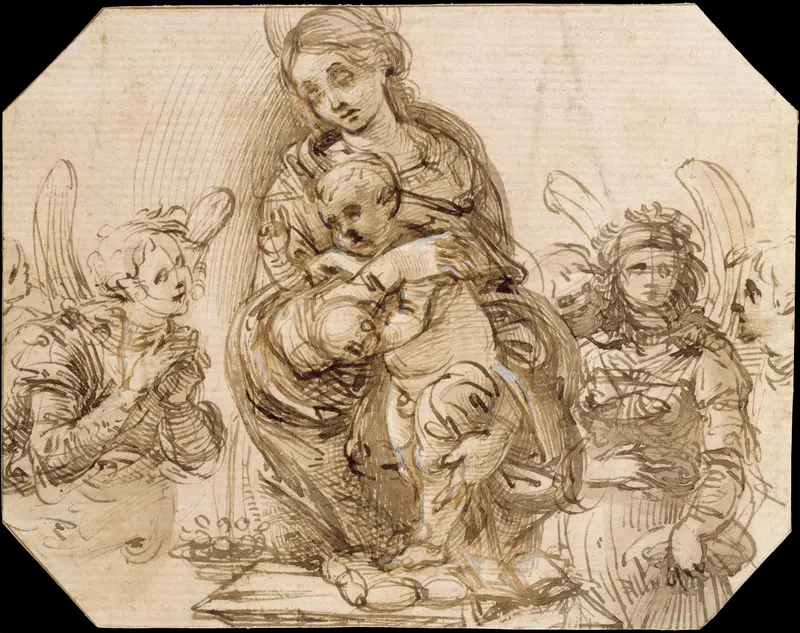
Virgin and Child Attended by Angels
Filippino Lippi

Christ on the Cross
Filippino Lippi
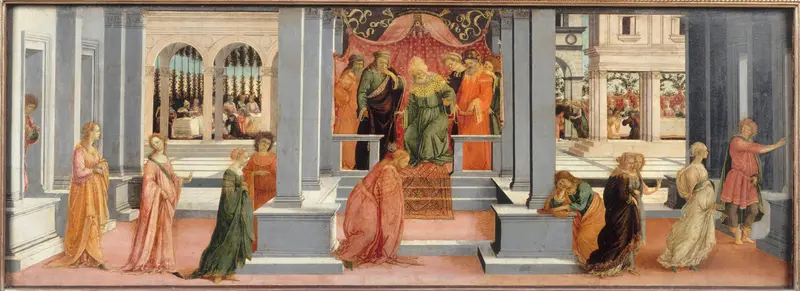
Esther choisie par Assuérus
Filippino Lippi
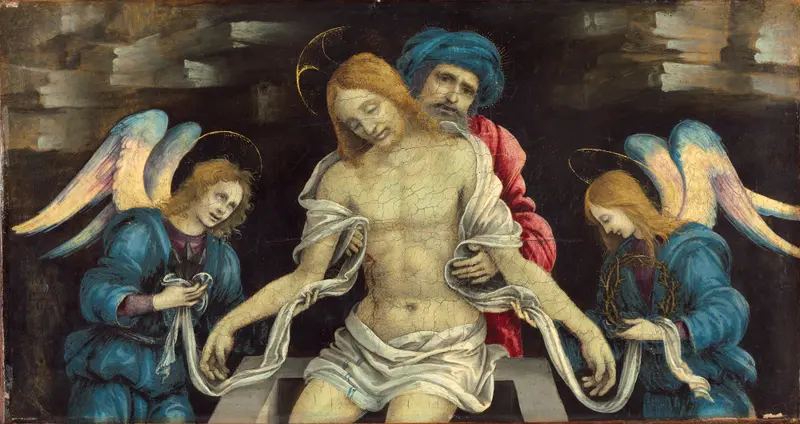
Pietà (The Dead Christ Mourned by Nicodemus and Two Angels)
Filippino Lippi
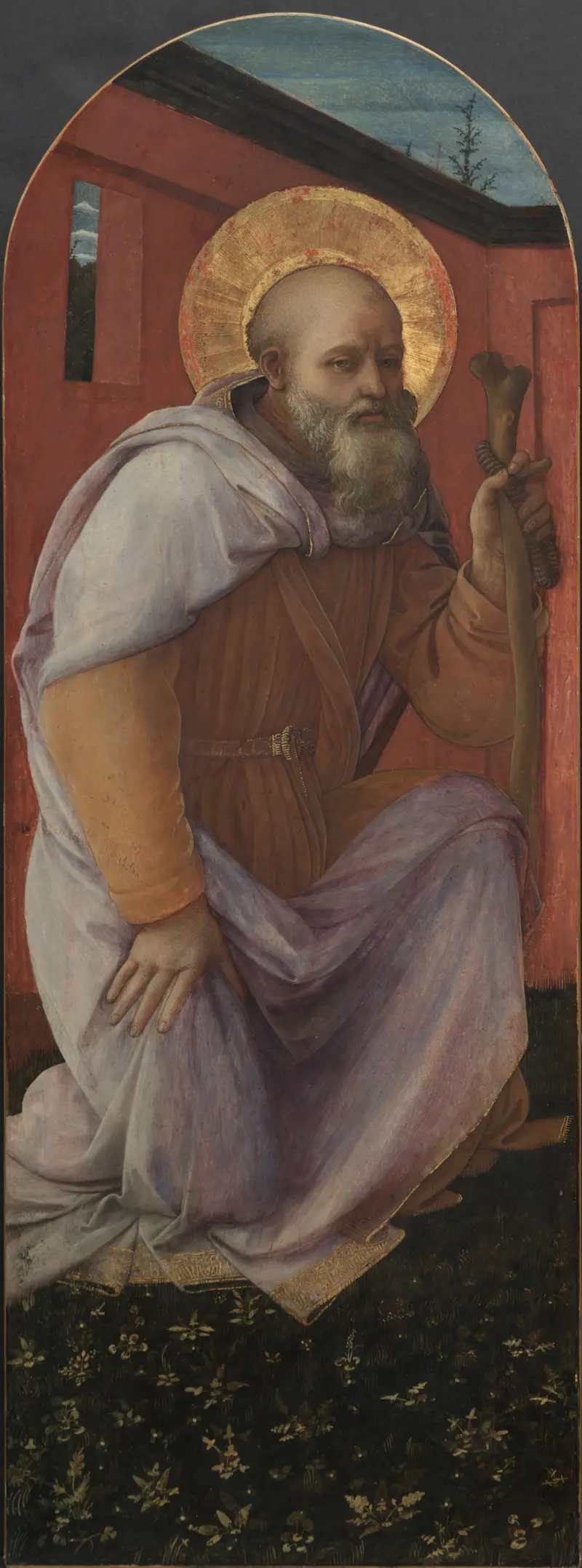
St. Anthony Abbot
Filippino Lippi
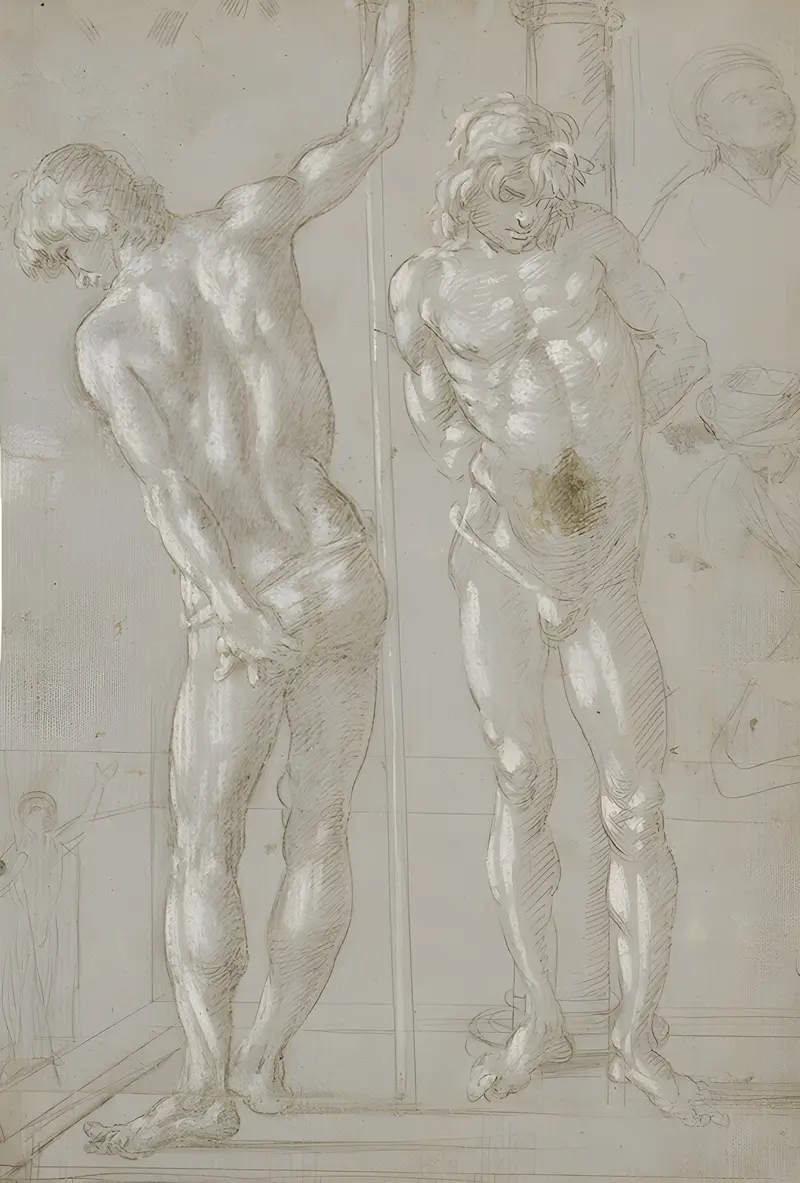
Studies of Christ at the Column, a Nude from Behind, and Various Figures
Filippino Lippi
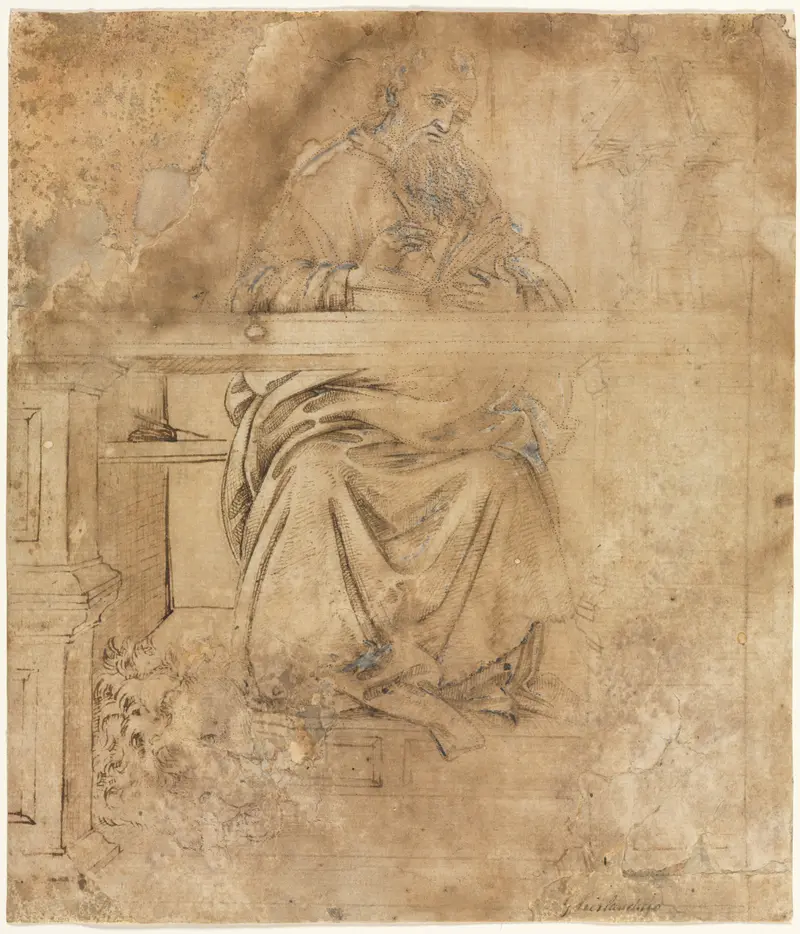
St. Jerome in His Study
Filippino Lippi
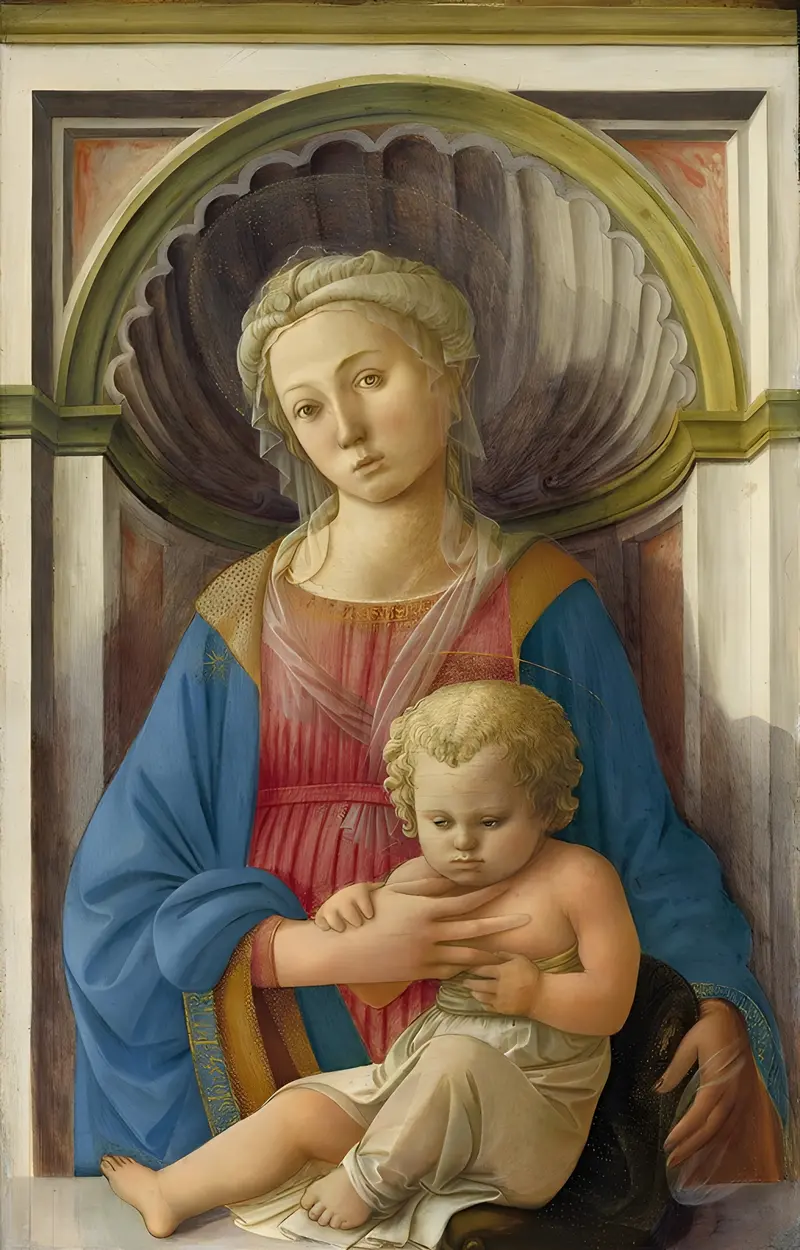
Madonna and Child
Filippino Lippi
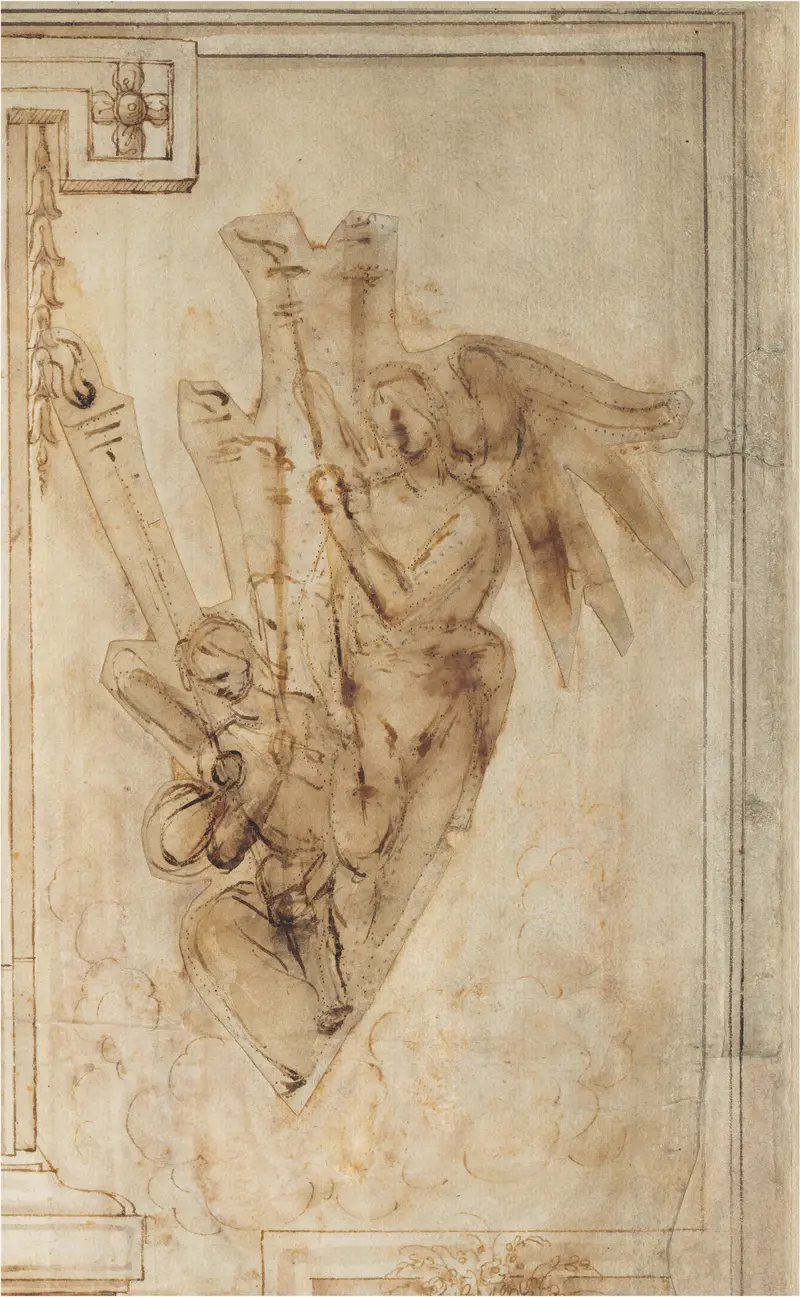
Two Angels Carrying Torches
Filippino Lippi





