
Mercury and Argus — History & Facts
Few paintings by Carel Fabritius survive, and among them, Mercury and Argus stands as his earliest known dated work, painted in 1645 when he was just twenty-three. This canvas is not only a rare glimpse into Fabritius’s youthful ambition but also a testament to his early engagement with mythological subjects, a genre less common in the Dutch Golden Age. The painting’s rediscovery in the twentieth century sparked debate over its attribution, with some initially crediting it to Rembrandt, Fabritius’s teacher, due to its dramatic lighting and psychological tension.
Its true authorship was only confirmed after careful technical analysis and comparison with Fabritius’s later works. The scene captures the tense moment from Ovid’s Metamorphoses when Mercury, disguised as a shepherd, prepares to slay Argus, the hundred-eyed giant set to guard Io. Mercury, seated and seemingly at ease, lulls Argus with music, his hand poised over a flute—a deceptive calm before the violence. Argus, heavy-lidded and drowsy, slumps against a tree, his vigilance undone by divine cunning.
Fabritius bathes the figures in a golden light, drawing the viewer’s eye to Mercury’s focused expression and the subtle gleam of his winged helmet, symbols of his divine identity. Unlike Rubens’s more theatrical Mercury and Argus, Fabritius opts for quiet suspense, emphasizing psychological drama over action. The painting’s early provenance remains obscure, but it likely belonged to a Dutch private collection before entering the European art market centuries later. Its attribution to Carel Fabritius was strengthened by technical examination and stylistic comparison with his later masterpieces, such as The Goldfinch.
Today, Mercury and Argus is valued not only for its rarity but also for offering a glimpse into Fabritius’s formative years, before his untimely death in the Delft gunpowder explosion of 1654. The work is now housed in the collection of the Museo del Prado, where it stands as a testament to the promise and tragedy of Fabritius’s brief career.
More Artworks by Carel Fabritius

The Goldfinch
Carel Fabritius
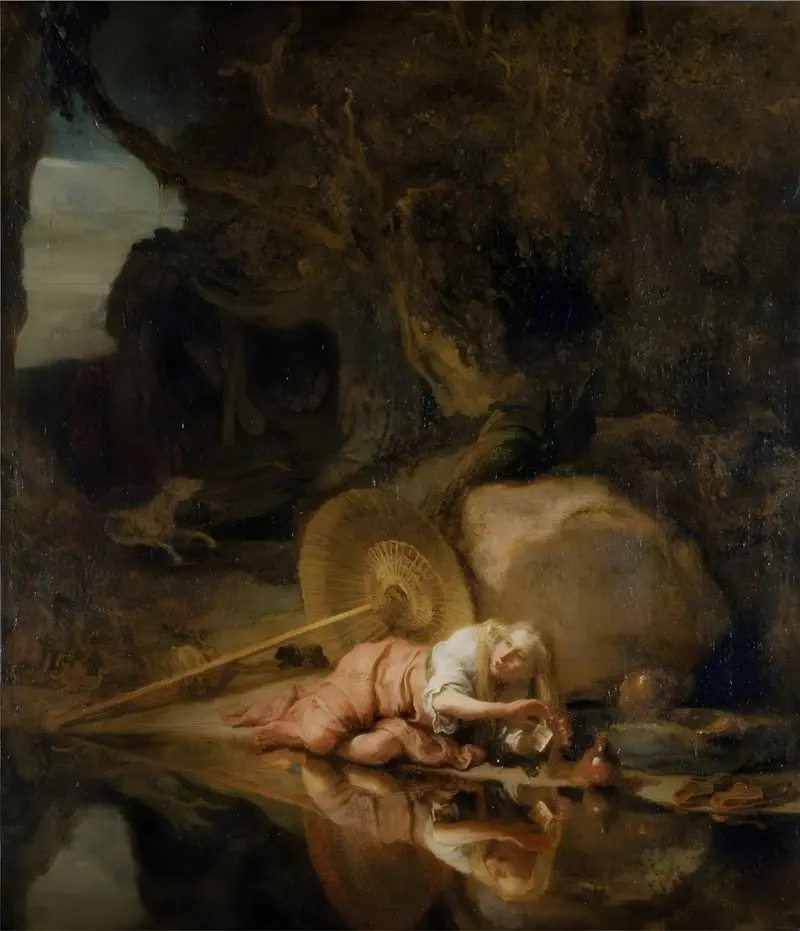
Hera hiding during the battle between the gods and the giants
Carel Fabritius
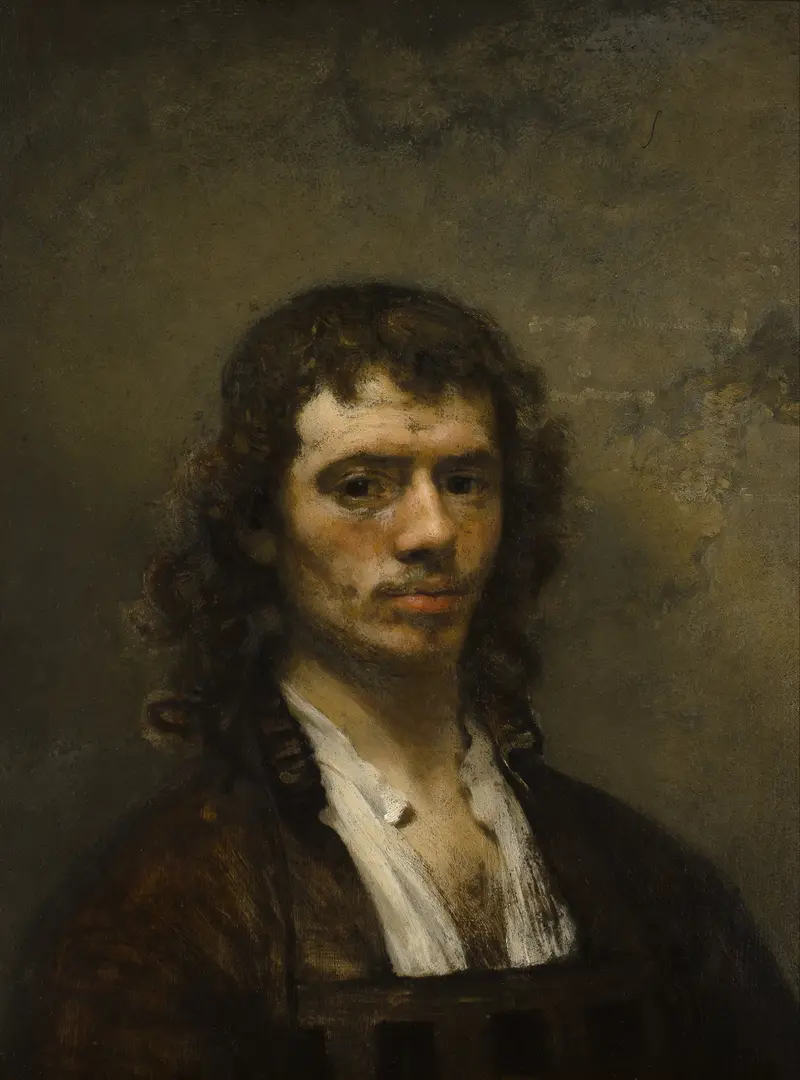
Self-portrait
Carel Fabritius
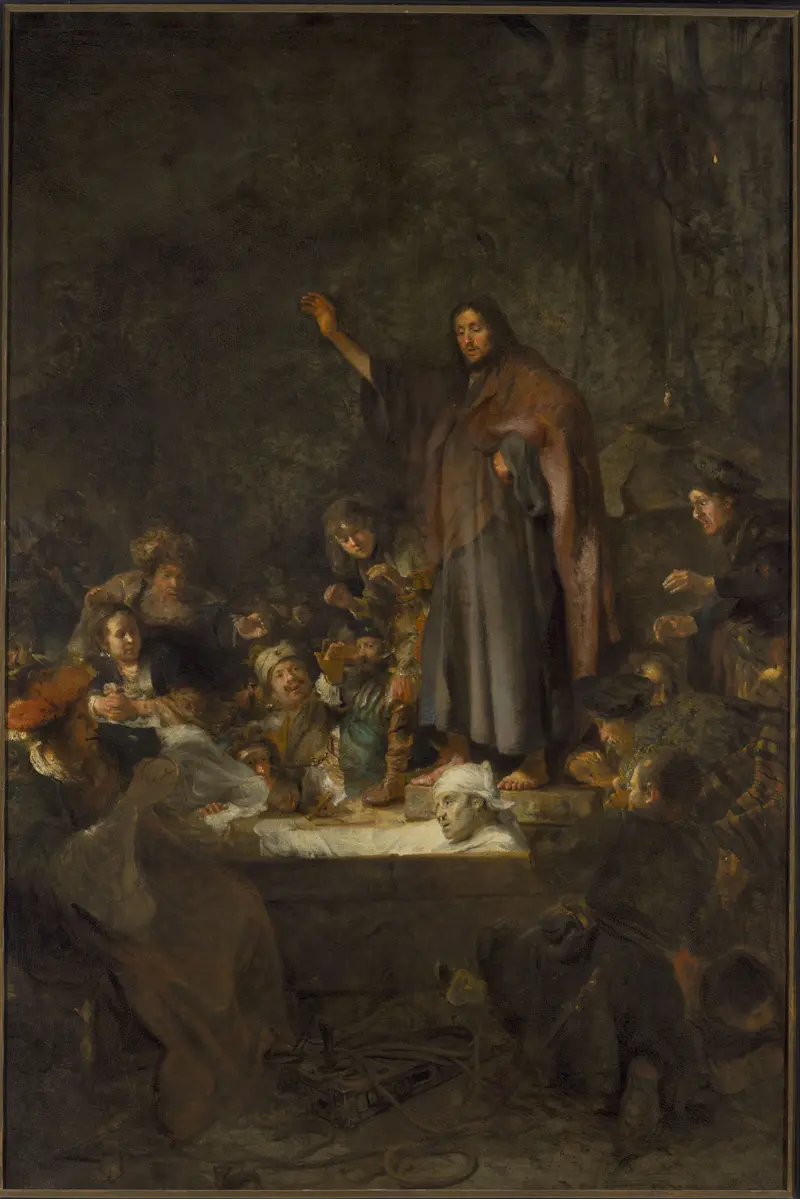
The Raising of Lazarus
Carel Fabritius
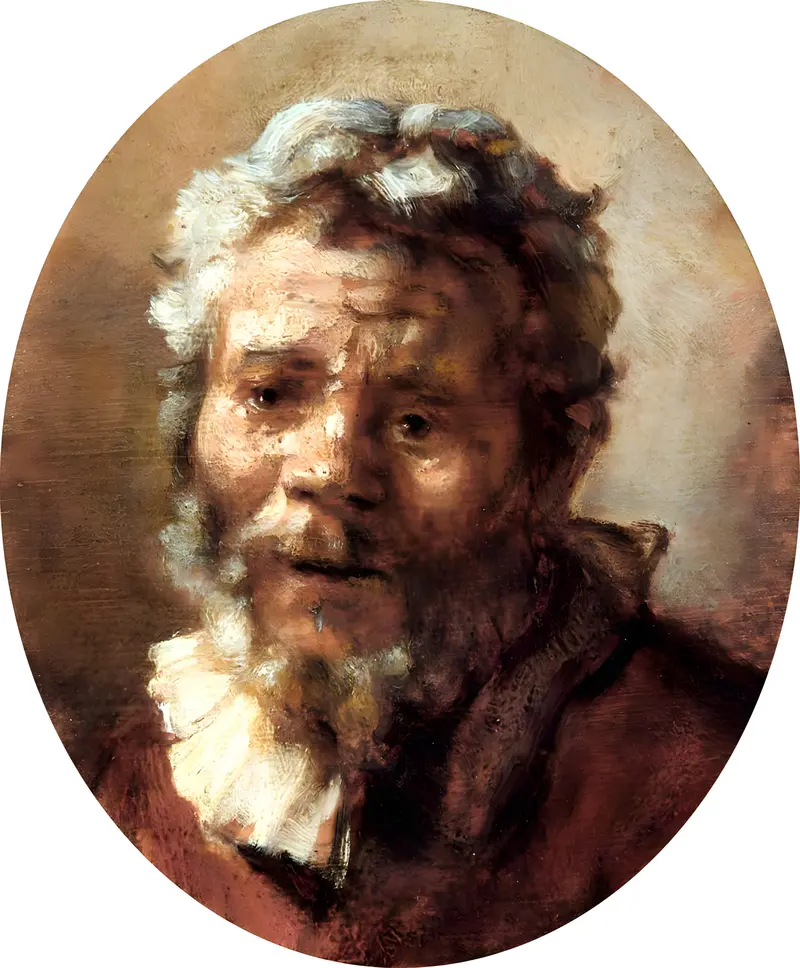
Portrait of a Bearded Man
Carel Fabritius
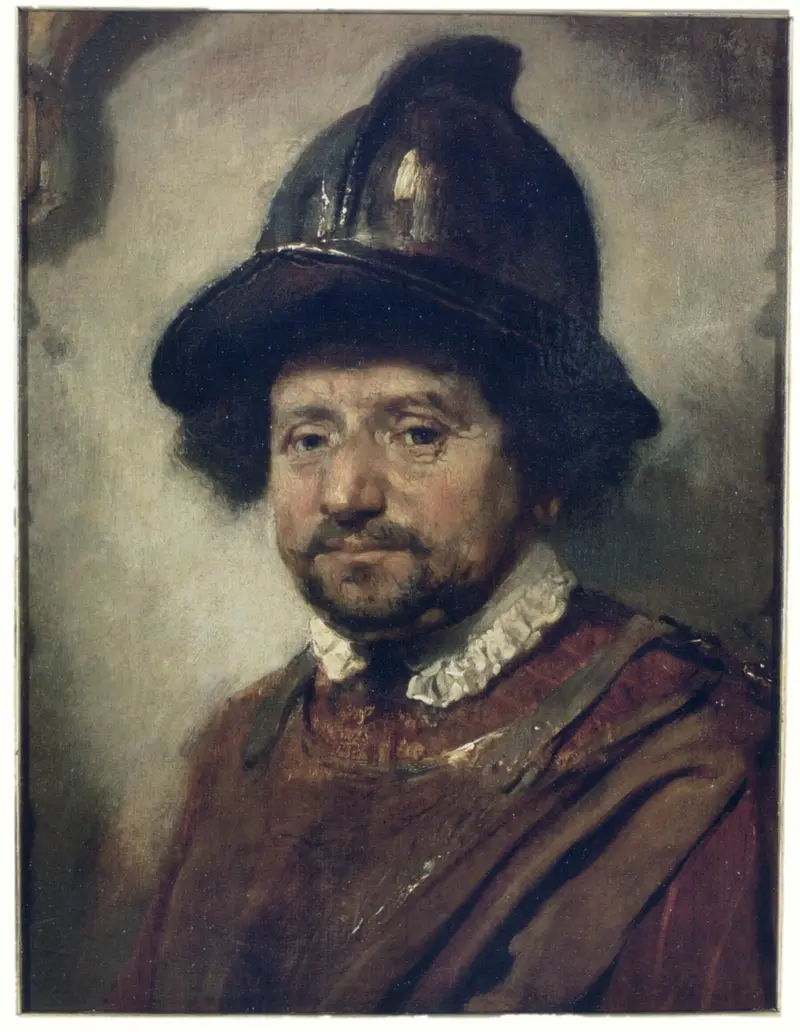
Man with a Helmet
Carel Fabritius
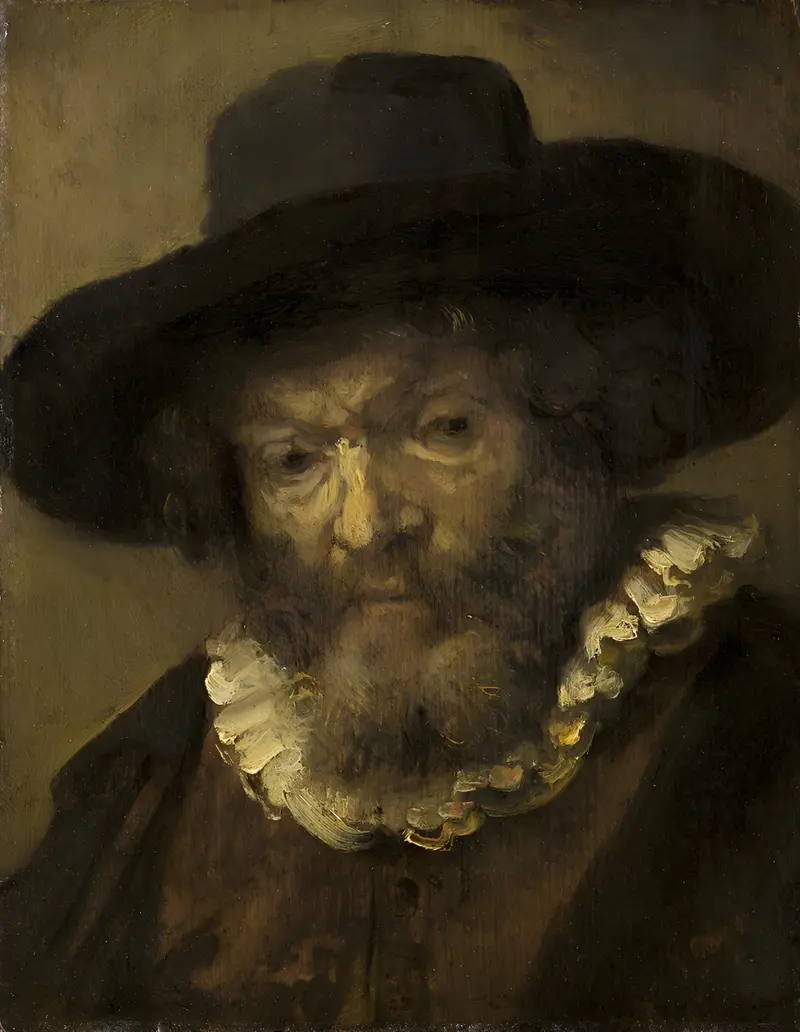
Head of an Old Man
Carel Fabritius
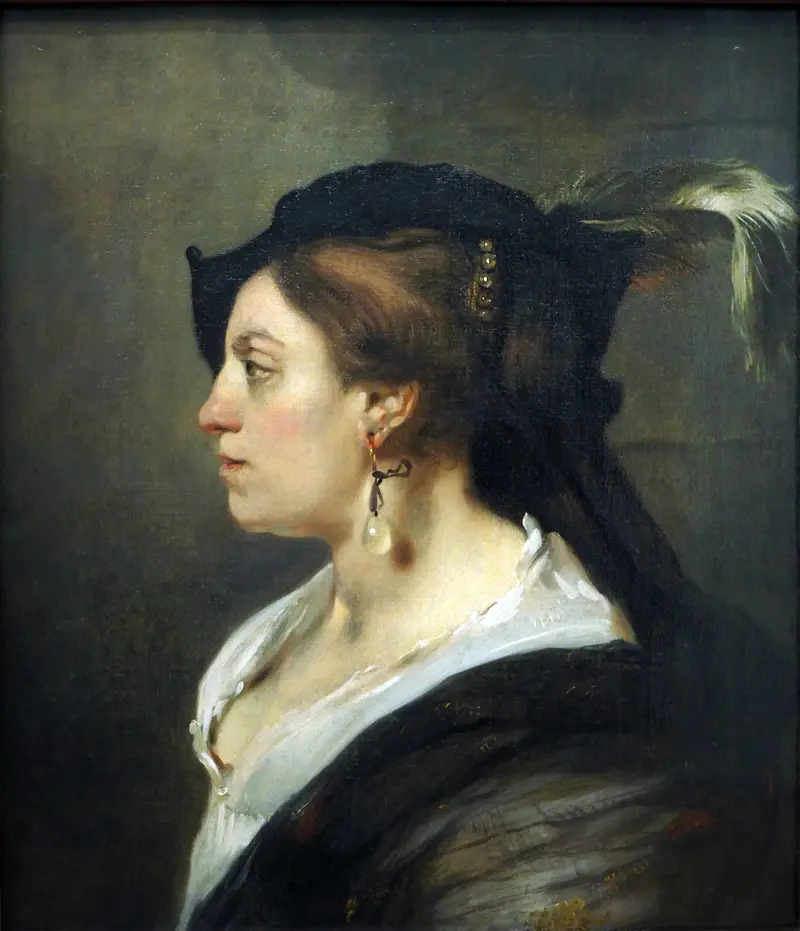
Portrait of a lady in profile
Carel Fabritius
portrait of a boy
Carel Fabritius
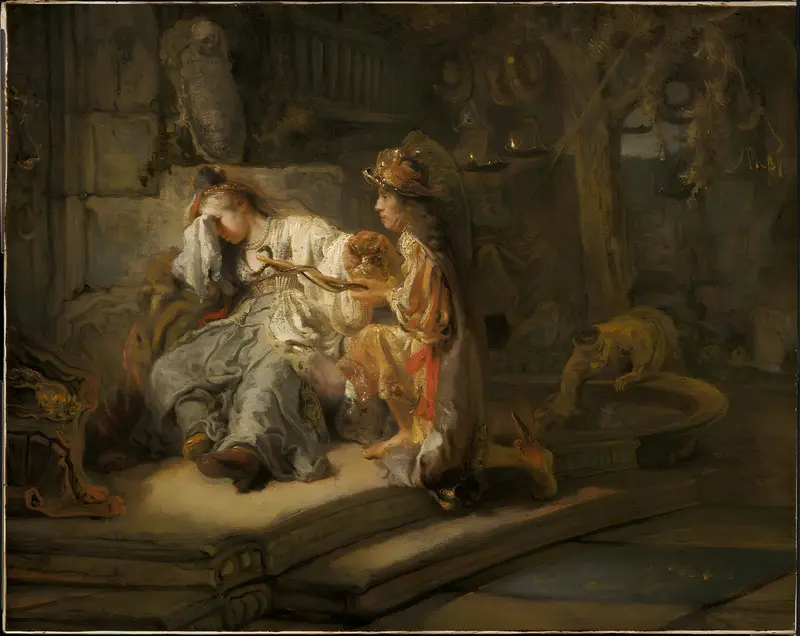
Mercury and Aglauros
Carel Fabritius





