
Portrait Of A Lady, Said To Be Mrs. Marion Corry Gilchrist — History & Facts
No one can say for certain who the sitter is in Portrait Of A Lady, Said To Be Mrs. Marion Corry Gilchrist, and this uncertainty has fascinated scholars for generations. The painting’s title hints at a possible identity, but no documentation has yet confirmed Mrs.
Gilchrist’s connection to the portrait, leaving open the possibility that she is a stand-in for the many women of status who sat for Sir Henry Raeburn in late eighteenth-century Scotland. This mystery has only deepened interest in the work, making it a touchstone for debates about attribution and identity in Raeburn’s oeuvre. The lady gazes out with a calm, direct expression, her features rendered with the quiet dignity typical of Raeburn’s approach to portraiture. Her attire is simple yet elegant, with a dark dress offset by a light scarf or fichu, and her hair is arranged in the natural, unpowdered style fashionable in Edinburgh society at the turn of the nineteenth century.
The soft modeling of her face and the gentle play of light across her features create an impression of immediacy and presence, inviting comparison to Raeburn’s celebrated Mrs. Richard Alexander Oswald in the National Galleries of Scotland. Unlike the grand, formal portraits of the English court, Raeburn preferred to capture his sitters in a relaxed, almost conversational pose, emphasizing character over ornament. The painting’s early history is obscure, and it is not known who first commissioned the portrait or when it entered the public eye.
Like many works by Raeburn, it may have remained in private hands for generations before being attributed to the artist and identified, tentatively, as Mrs. Marion Corry Gilchrist. Today, the portrait is valued not only as a possible likeness of a specific individual, but also as an example of Raeburn’s distinctive contribution to Scottish portraiture, which combined psychological insight with a fresh, naturalistic style.
Its uncertain origins have become part of its appeal, inviting viewers to imagine the life and times of both the sitter and the painter.
More Artworks by Sir Henry Raeburn

Portrait of Hugh Hope
Sir Henry Raeburn
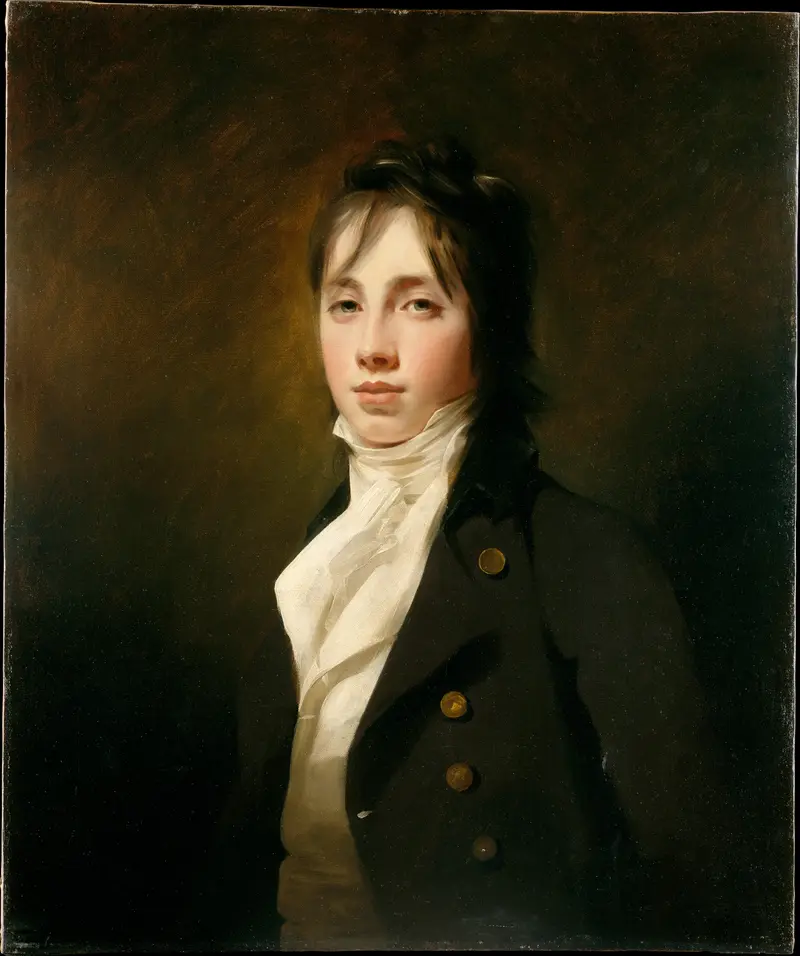
William Fraser of Reelig (1784–1835)
Sir Henry Raeburn
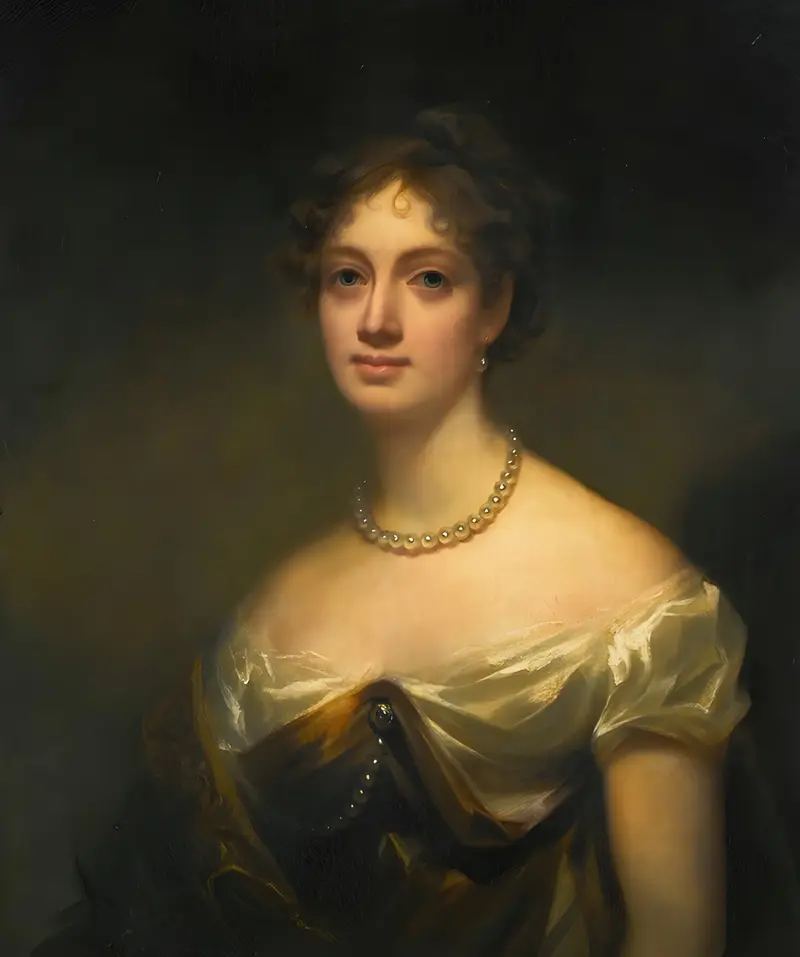
Portrait Of Anne Blair Maconochie Welwood Of Garvock, Lady Meadowbank (1784–1866)
Sir Henry Raeburn
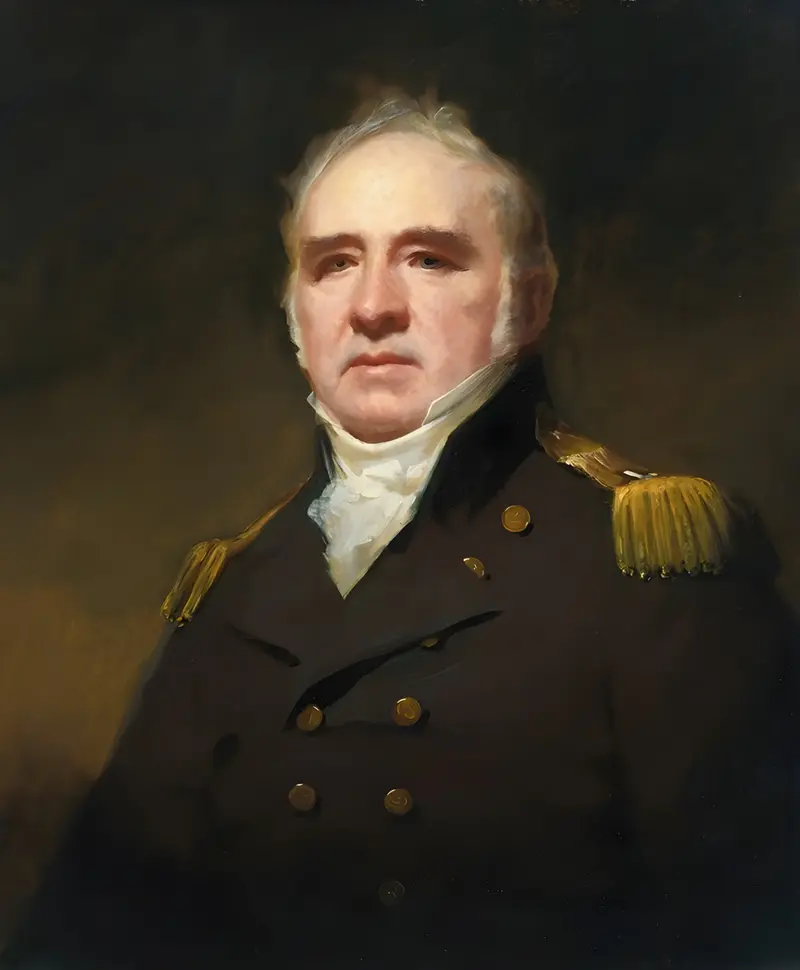
Portrait Of Captain James Forbes-Drummond, R.N., Of Hawthornden
Sir Henry Raeburn
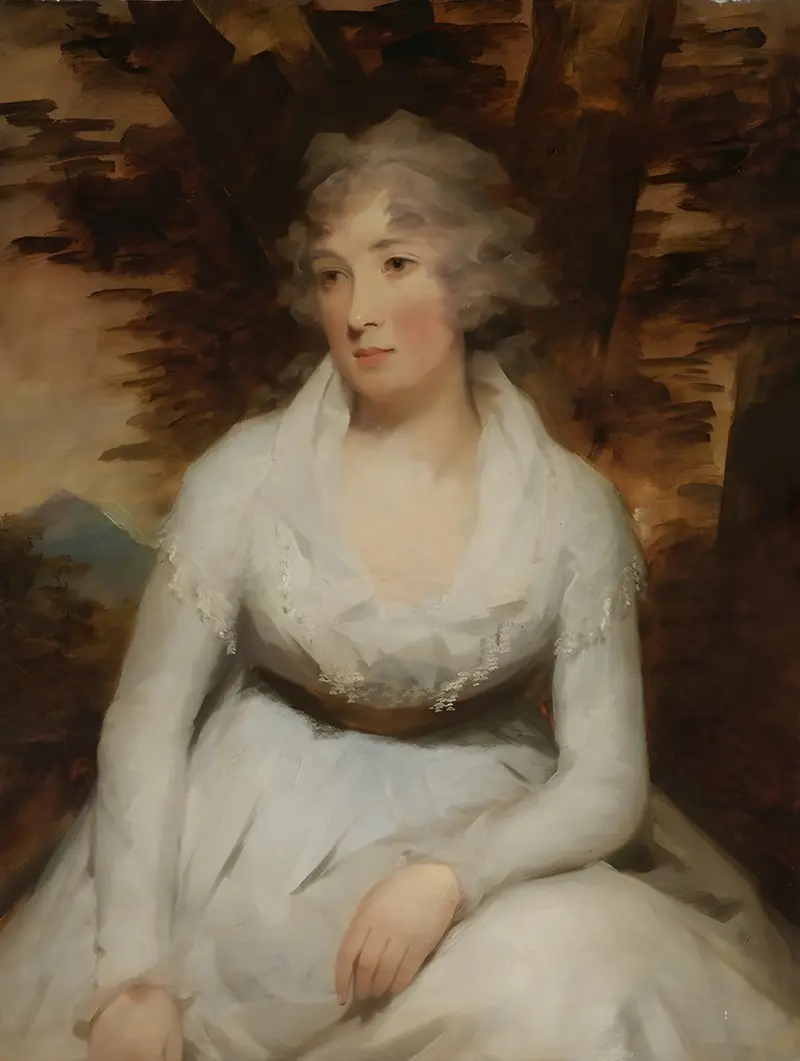
Miss Elizabeth Dalrymple (afterwards Mrs. George Leith)
Sir Henry Raeburn
Portrait of John Baillie (1772-1833)
Sir Henry Raeburn
Portrait Of Lady Nasmyth, In A White Dress And Brown Shawl, Seated At A Table, Holding A Book
Sir Henry Raeburn
Portrait Of Mr. Spottiswood
Sir Henry Raeburn
Portrait Of The Reverend John Home (1722-1808)
Sir Henry Raeburn
Portrait of William Hunt (c.1796-1854), Pittencrief House, Dunfermline
Sir Henry Raeburn





