
Portrait of Olimpia Maidalchini Pamphilj (1591–1657), half length, wearing black — History & Facts
When Diego Velázquez arrived in Rome in 1649, he entered a city ruled as much by family alliances as by papal decree. The subject of this portrait, Olimpia Maidalchini Pamphilj, was at the heart of it all: sister-in-law and rumored power behind Pope Innocent X, she was called “the true pope” by her contemporaries. The painting’s creation in 1650 coincided with Velázquez’s celebrated Roman sojourn, during which he painted the pope himself.
That he also painted Olimpia—whose influence and ambition were the talk of Europe—testifies to her extraordinary status and the artist’s access to Rome’s innermost circles. Olimpia is caught in a moment of poised command: seated half-length, she wears austere black, her gaze direct, her lips pressed in a line that suggests both calculation and fatigue. The sobriety of her dress, relieved only by the delicate lace at her collar and cuffs, speaks to her widowhood and her role as a matriarch, yet the richness of the fabric and the subtle play of light across her face hint at the wealth and authority she wielded. Velázquez’s brushwork, loose yet precise, captures the texture of flesh and fabric with a realism that sets this portrait apart from the more flattering, idealized images of Roman nobility by artists like Guido Reni.
Here, the sitter’s character—her intelligence, her guardedness—is as present as her likeness. The exact fate of this painting after its creation remains uncertain; unlike the famed Portrait of Innocent X, which entered the Doria Pamphilj collection, Portrait of Olimpia Maidalchini Pamphilj has been less visible in the public eye, its medium and provenance still debated by scholars. Some suggest it was commissioned by the Pamphilj family themselves, perhaps as a pendant to the pope’s portrait, but no definitive records survive. Today, the work is recognized as a rare and candid depiction of one of seventeenth-century Rome’s most formidable women, and a testament to Velázquez’s ability to capture both the surface and the soul of his sitters during his pivotal Italian period.
More Artworks by Diego Velázquez

Las Meninas
Diego Velázquez
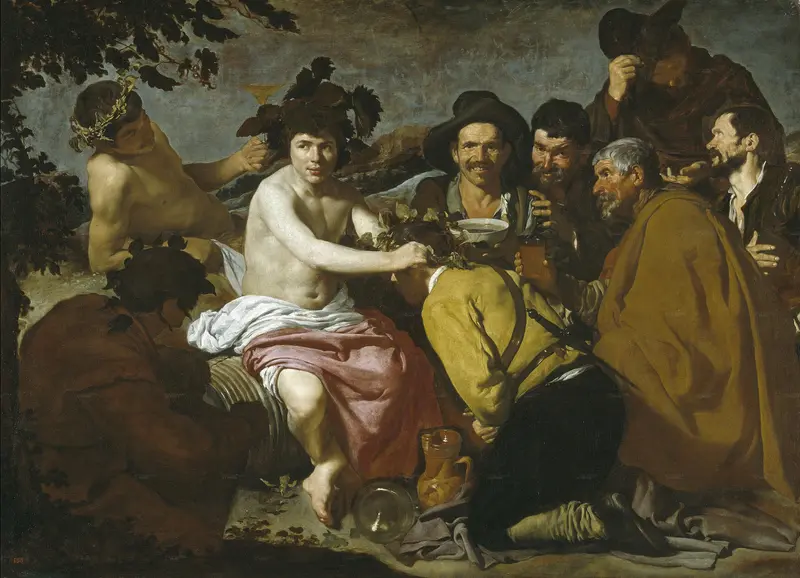
The Triumph of Bacchus
Diego Velázquez
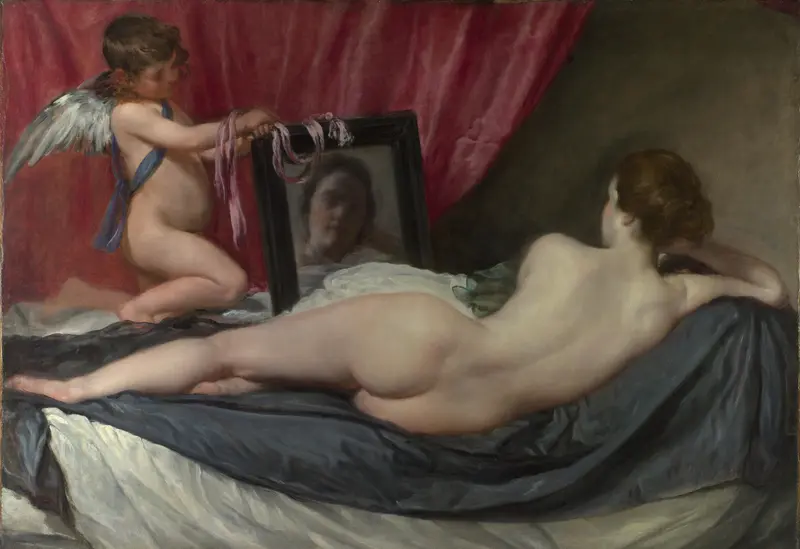
Rokeby Venus
Diego Velázquez
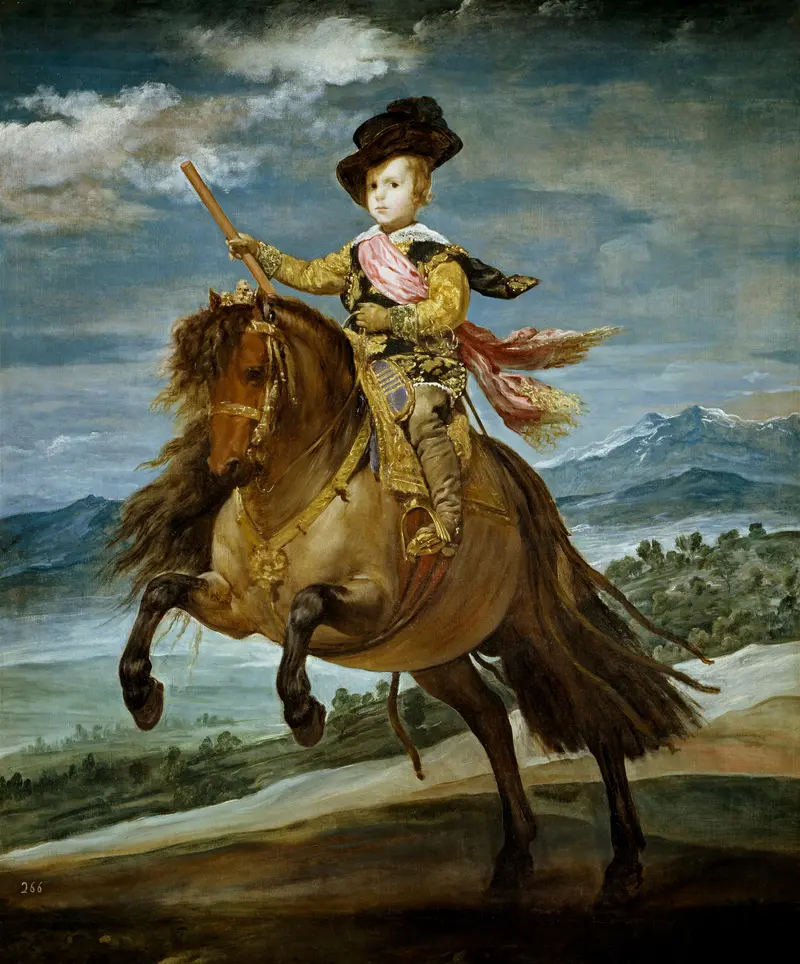
Equestrian Portrait of Prince Balthasar Charles
Diego Velázquez
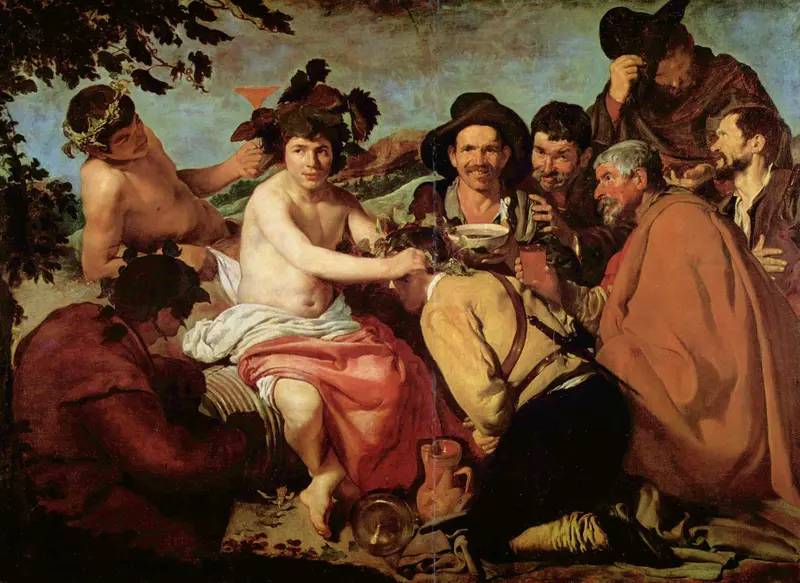
Bacchus
Diego Velázquez
Don Gaspar de Guzmán (1587–1645), Count-Duke of Olivares
Diego Velázquez
El príncipe Baltasar Carlos de Austria
Diego Velázquez
Equestrian Portrait of Philip III
Diego Velázquez
Equestrian Portrait of Margarita of Austria
Diego Velázquez
Las Hilanderas
Diego Velázquez




