
Pyrame et Thisbé — History & Facts
Moonlight glimmers on tragedy: the first thing to seize the eye in Pyrame et Thisbé is the stark contrast between the cool, silvery sky and the warm, mortal drama at the painting’s foot. Two young lovers lie entwined at the edge of a fountain, their bodies illuminated by a shaft of theatrical light that slices through the darkness. The sword piercing both figures is no mere detail—it is the hinge of the story, the fateful misunderstanding that has brought them to this end.
The lush, overgrown garden and the classical wall behind them serve as silent witnesses, their grandeur and neglect echoing the ancient tale’s themes of forbidden love and fate. Every brushstroke draws the viewer deeper into the scene’s stillness, the moon’s reflection in the water a final, cold punctuation. Painted in 1709, this work by Jean-François de Troy belongs to a world where mythological and literary subjects were favored by both academies and private patrons, eager to display learning and taste. In early eighteenth-century France, such scenes were often commissioned for intimate interiors, their stories chosen for both moral instruction and emotional impact.
The painting’s dramatic lighting and carefully staged composition reflect the influence of the French Baroque, but also hint at the coming Rococo’s taste for sensuous surfaces and heightened sentiment. Little is recorded of this particular canvas’s early life, but its presence today in the collection of Tribune de l’Art allows it to speak anew. The story of Pyramus and Thisbe, once told in Ovid’s verses, now unfolds in oil and shadow—inviting the viewer to linger, and to look again.
More Artworks by Jean-François de Troy
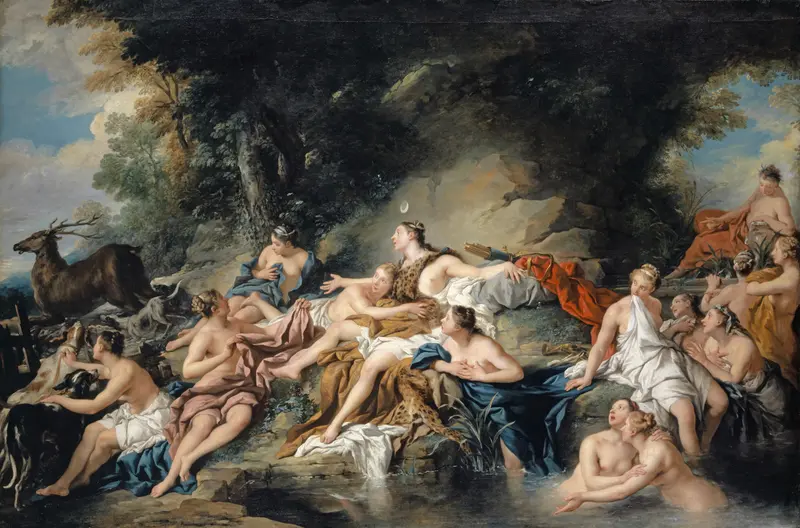
Diana and Actaeon
Jean-François de Troy
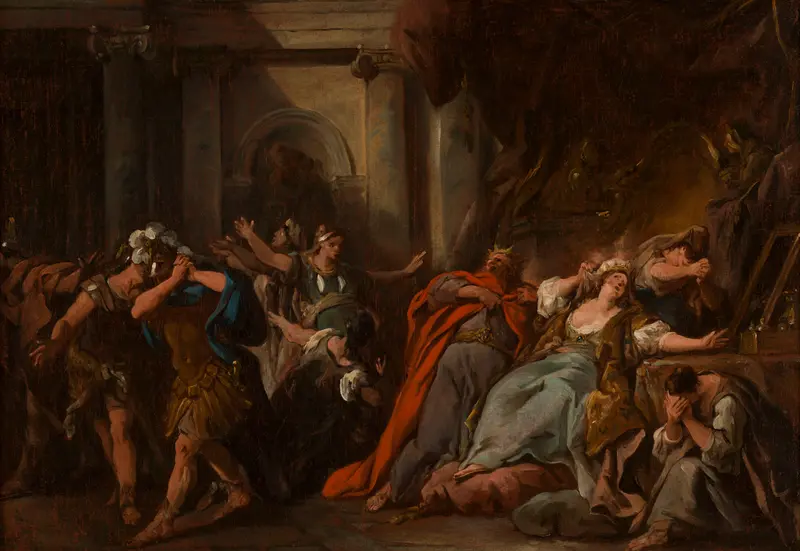
Créüse consumée par la robe empoisonnée
Jean-François de Troy
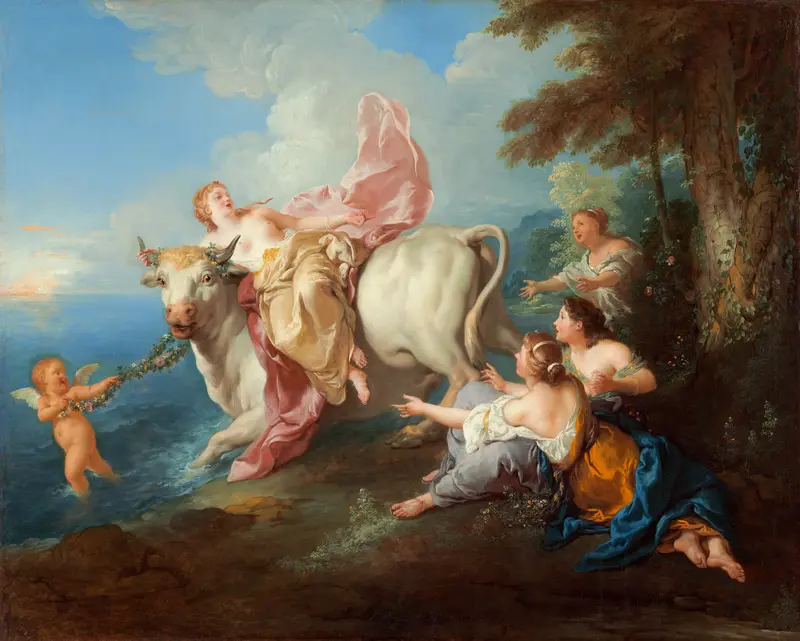
The Abduction of Europa
Jean-François de Troy
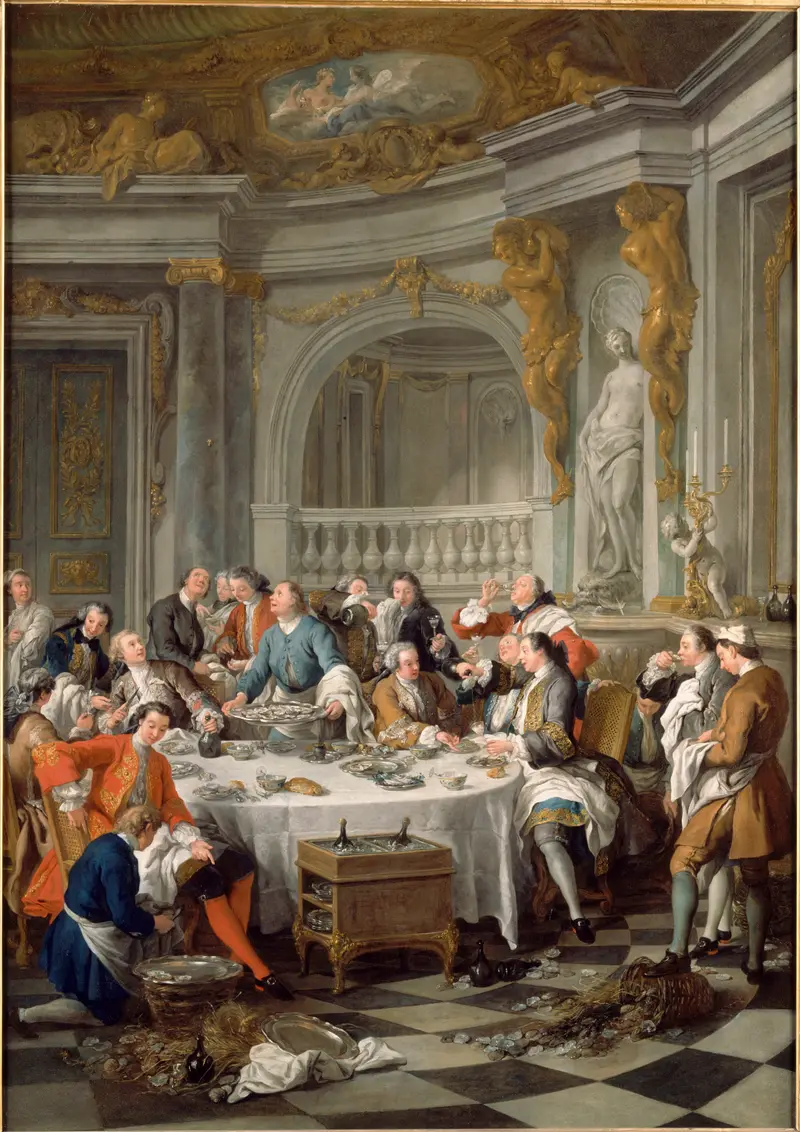
The Lunch of Oysters
Jean-François de Troy

Before the Ball
Jean-François de Troy
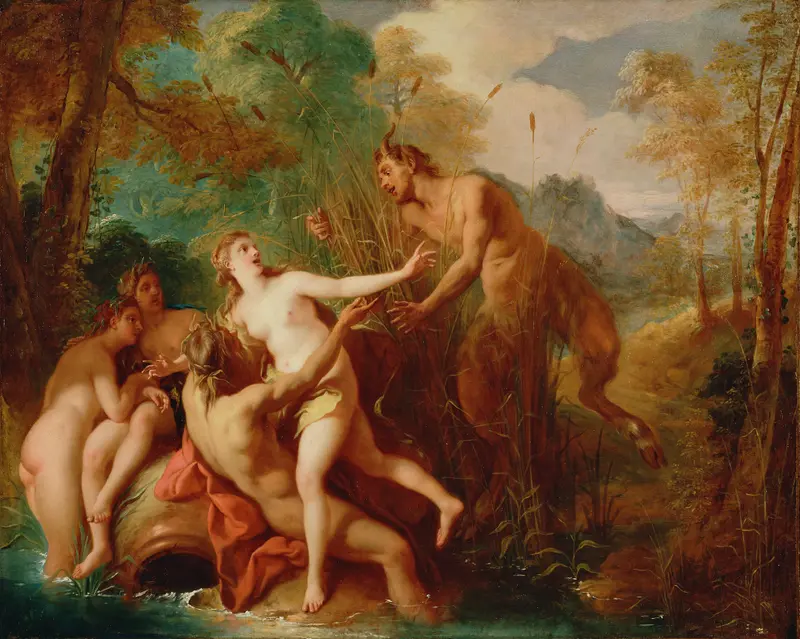
Pan and Syrinx
Jean-François de Troy

Le Combat des soldats nés des dents du serpent
Jean-François de Troy
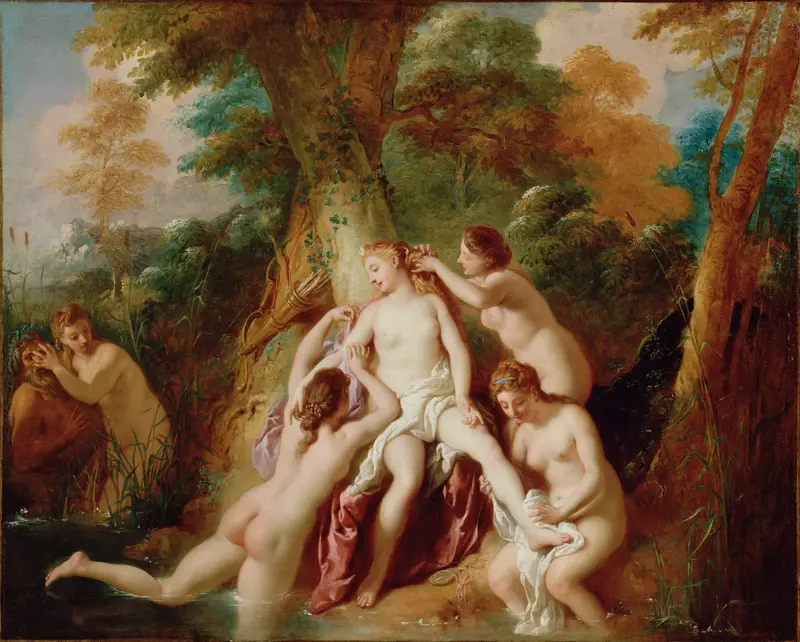
Diana and Her Nymphs Bathing
Jean-François de Troy
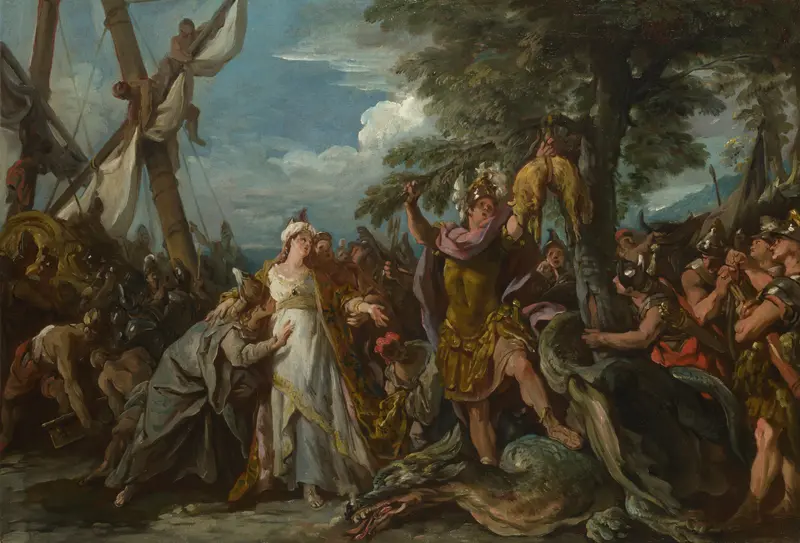
The Capture of the Golden Fleece
Jean-François de Troy

The Triumph of Mordecai
Jean-François de Troy





