
Riderless Racers at Rome — History & Facts
No spectacle in early nineteenth-century Rome drew crowds with more feverish excitement than the annual Carnival’s wild horse race, the corsa dei barberi. When Théodore Géricault visited the city in 1817, he was captivated by this dangerous tradition: riderless horses, whipped into a frenzy, thundering down the Via del Corso while the people roared. Géricault, already obsessed with the power and unpredictability of horses, found in this event a living symbol of both freedom and chaos.
The painting Riderless Racers at Rome is one of several studies he made, each striving to capture the moment when the horses, just released, surge forward—untamed and ungoverned. Géricault chooses to freeze the instant of release, when the horses, muscles taut and eyes wild, burst from the starting line. The absence of riders is no accident: in the corsa dei barberi, the horses ran alone, their bridles adorned with ribbons and sometimes spiked balls to spur them on. In the painting, the animals’ frantic energy dominates, their bodies overlapping in a tangle of legs and manes, while a crowd of onlookers presses in behind the barrier.
The light falls sharply on the horses’ flanks, highlighting their tension and the danger of the moment. Unlike the calm, orderly parades of horses in Jacques-Louis David’s neoclassical works, Géricault’s vision is all movement and risk—a foretaste of the Romantic movement’s fascination with the untamed. The exact medium of this work is uncertain, and its early history remains somewhat obscure, but it is clear that Riderless Racers at Rome belongs to a crucial period in Géricault's career. Painted during his Italian sojourn, it marks his deepening interest in animal anatomy and his break from academic conventions.
The subject would echo through later works, including his monumental The Raft of the Medusa, where wild energy and human drama collide. Today, the painting is recognized as a vital link between French Romanticism and the artist’s lifelong quest to capture the raw force of nature. Its journey through collections reflects the changing fortunes of Géricault’s reputation, which only grew after his early death at age 32.
More Artworks by Théodore Géricault
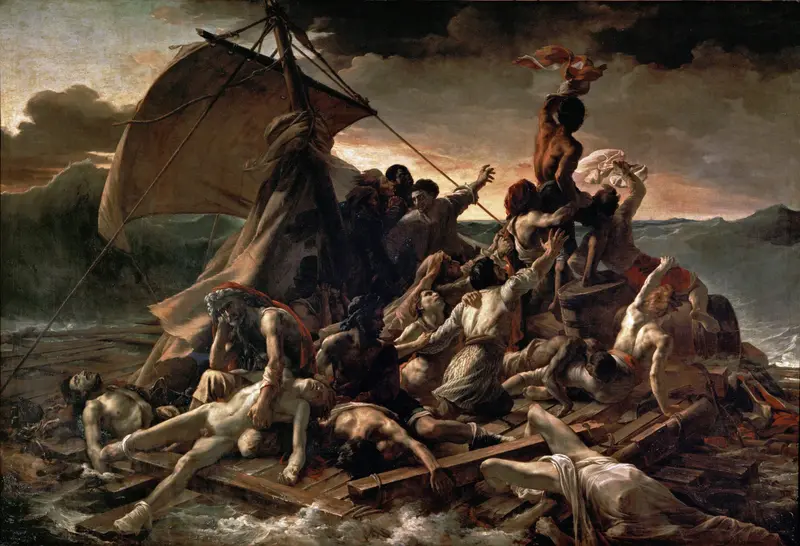
The Raft of the Medusa
Théodore Géricault

Géricault - Le naufrage du radeau de la Méduse, MBA 790
Théodore Géricault
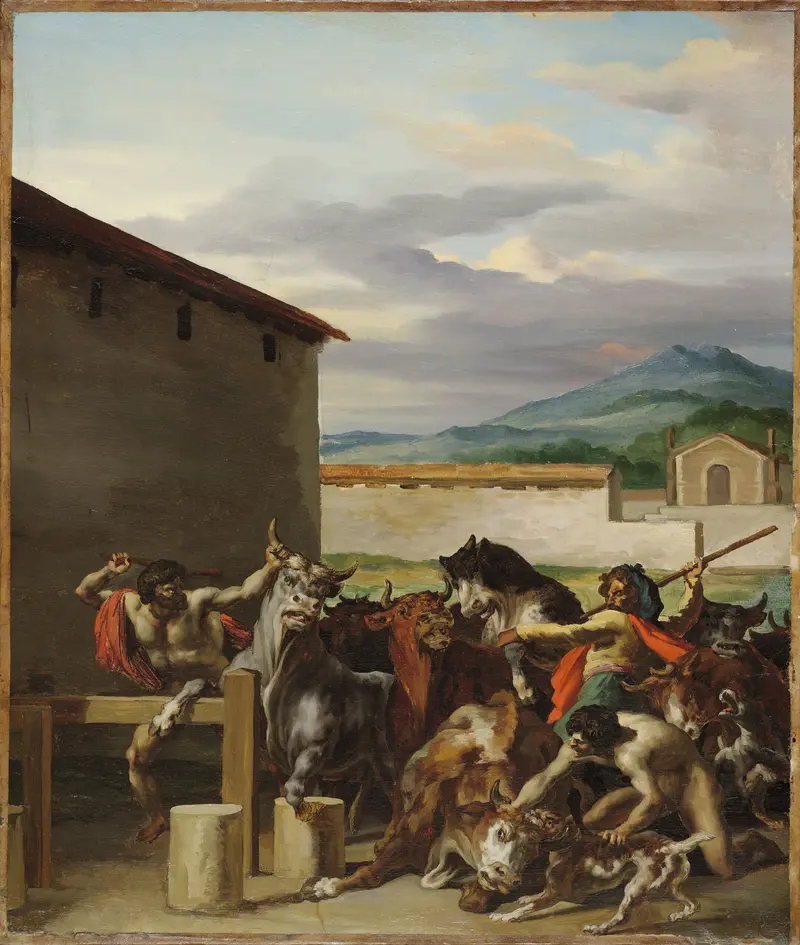
Cattle Market
Théodore Géricault
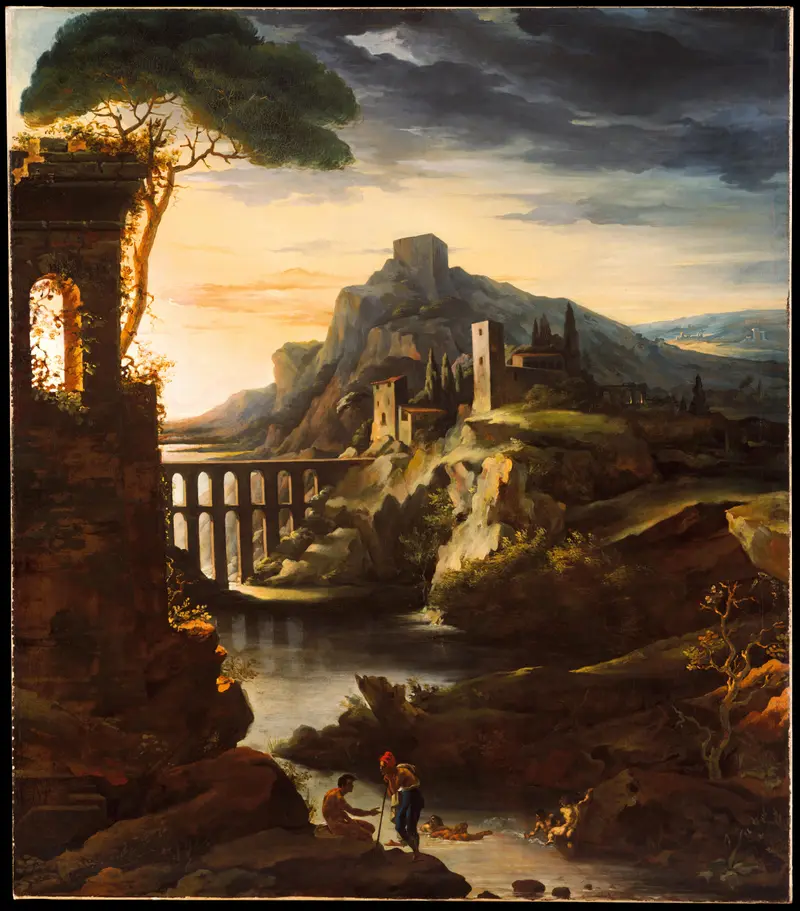
Evening; Landscape with an Aqueduct
Théodore Géricault
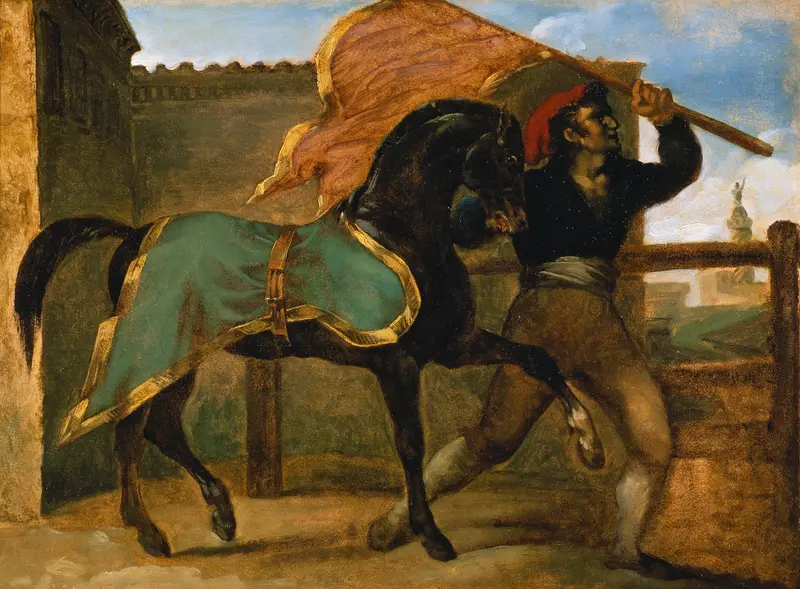
Horse Race
Théodore Géricault

Horses Standing in a Mews
Théodore Géricault
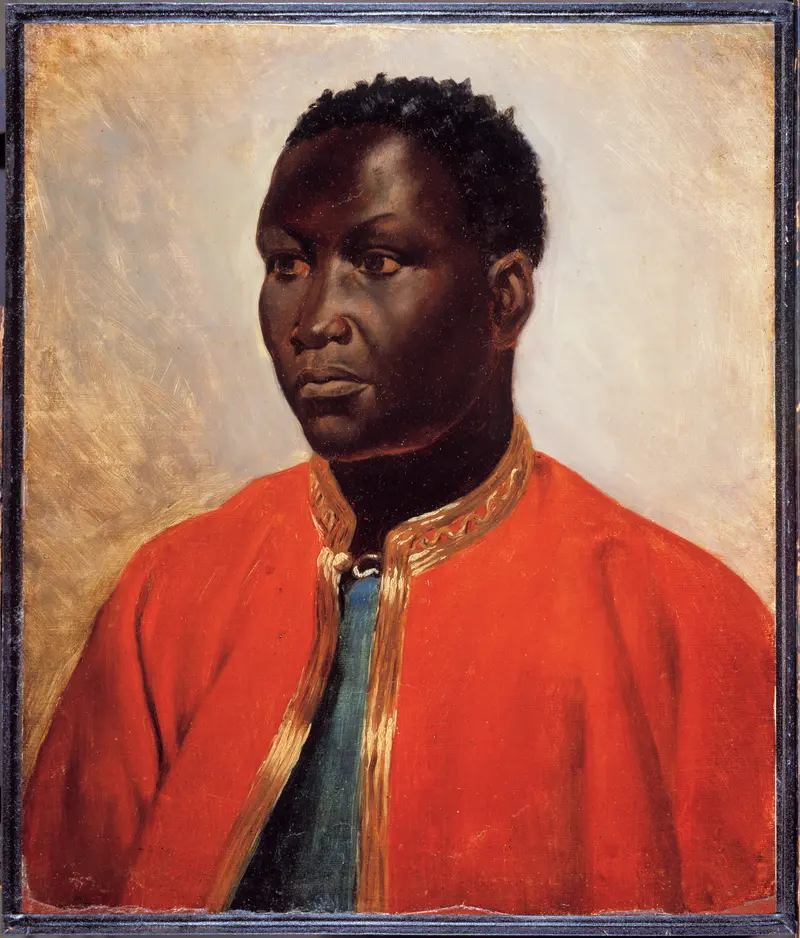
Portrait of a Negro
Théodore Géricault
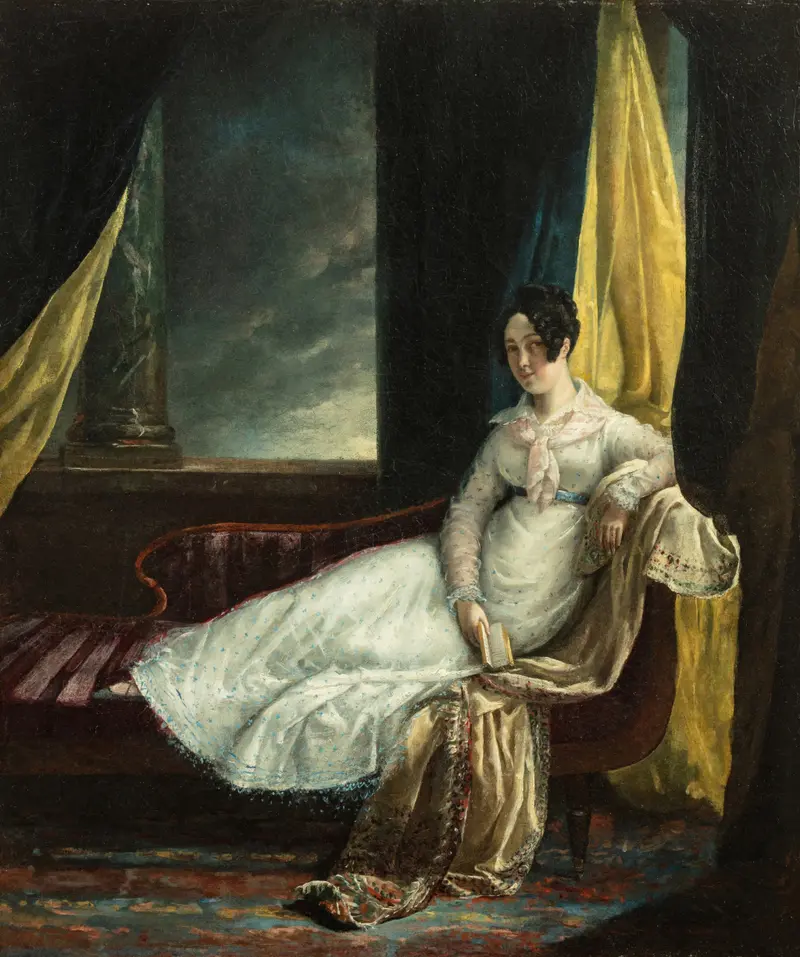
Portrait of Zoë Elmore
Théodore Géricault
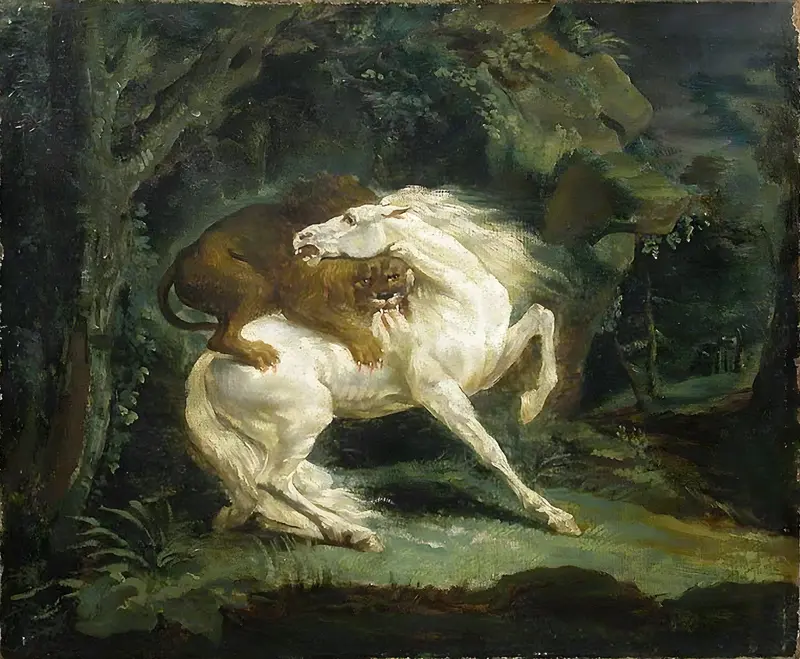
Cheval attaqué par un lion
Théodore Géricault
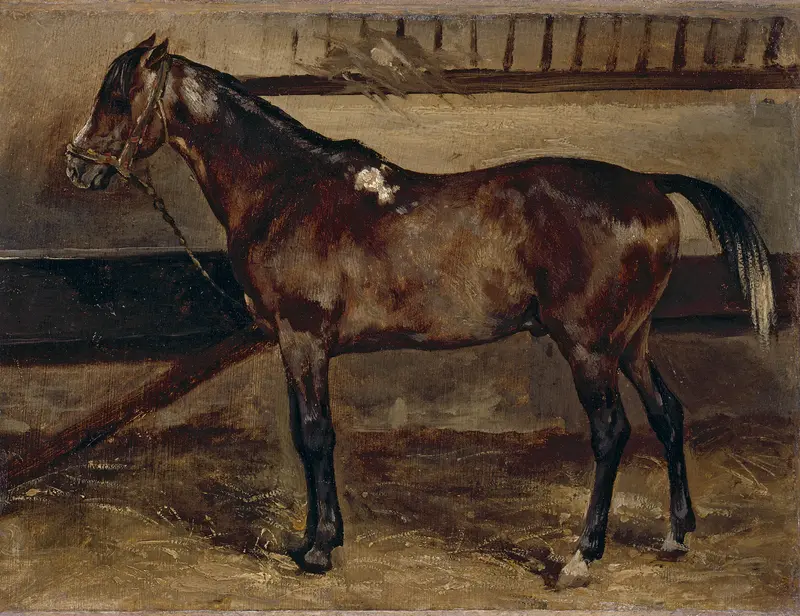
Cheval brun à l'écurie
Théodore Géricault





