
Scenes from the Life of Mary Magdalene: The Hermit Zosimus Giving a Cloak to Magdalene — History & Facts
Few episodes from the lives of saints have inspired as many artists as the legend of Mary Magdalene’s penance in the desert, but it is Giotto di Bondone’s treatment of her encounter with the hermit Zosimus that stands out for its rare tenderness. Painted around 1320, this panel is one of the earliest known depictions of the Magdalene clothed only in her own hair, a visual tradition that would echo through Western art for centuries. The scene captures a moment described in the popular medieval Golden Legend, when Zosimus, moved by compassion, offers his cloak to the penitent saint.
The work was likely created for a Florentine convent dedicated to Mary Magdalene, reflecting the city’s devotion to her as a model of repentance and grace. In the panel, Magdalene emerges from the wilderness, her body enveloped by flowing locks, her hands outstretched in humble acceptance of Zosimus’s garment. The hermit’s gesture is gentle, his face marked by awe and reverence, while the barren landscape underscores the saint’s isolation and spiritual trial. The gold ground, typical of Giotto’s era, lifts the encounter into the realm of the sacred.
Unlike later interpretations—such as Donatello’s gaunt, almost feral wooden Penitent Magdalene—Giotto’s Magdalene is serene, her suffering dignified. Every detail, from the folds of the cloak to the meeting of their eyes, is charged with the promise of redemption. The precise journey of this panel is not fully documented, as is often the case with early 14th-century works. It was almost certainly part of a larger altarpiece or narrative cycle commissioned for a religious institution, possibly dismantled during later centuries as tastes and devotional practices changed.
Attribution to Giotto has been widely accepted since the 19th century, based on stylistic comparison with his authenticated frescoes in the Scrovegni Chapel. Today, Scenes from the Life of Mary Magdalene: The Hermit Zosimus Giving a Cloak to Magdalene is recognized as a touchstone of early Trecento painting, admired for its psychological insight and humanity, and displayed in major collections as a testament to Giotto’s enduring influence.
More Artworks by Giotto di Bondone
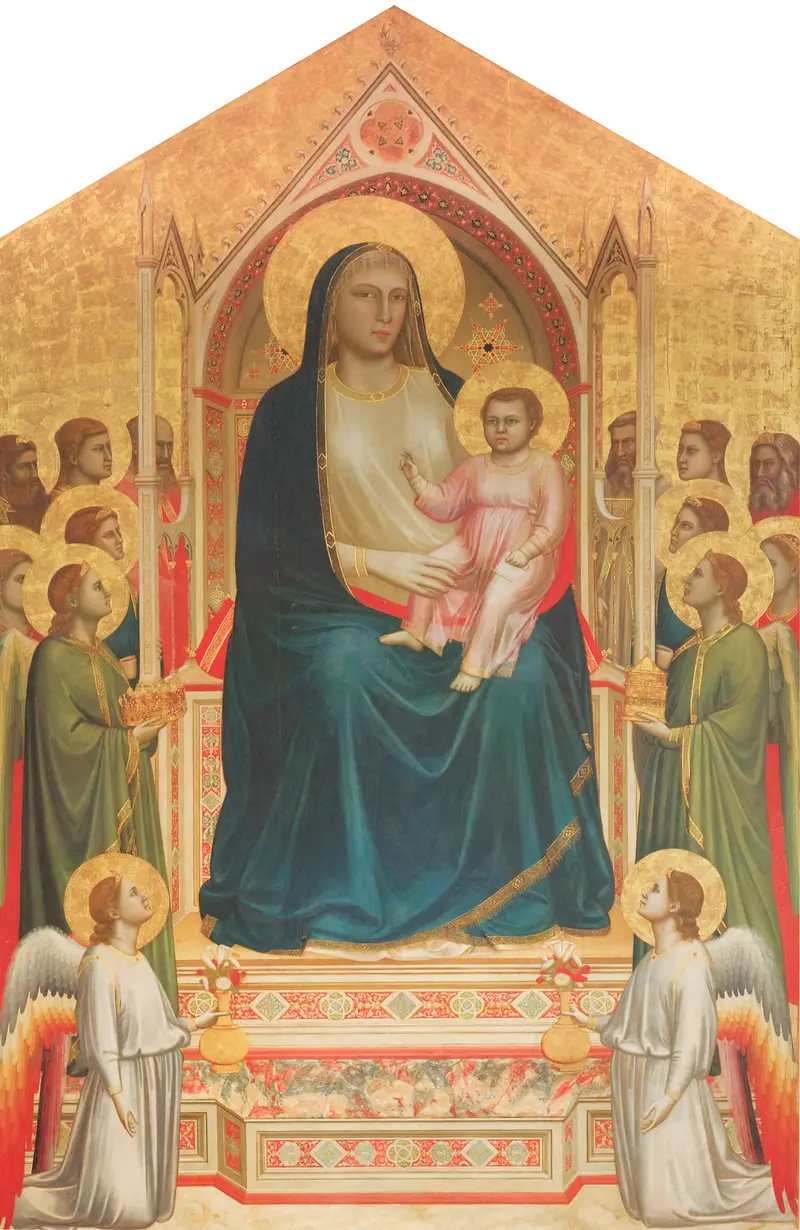
Ognissanti Madonna
Giotto di Bondone
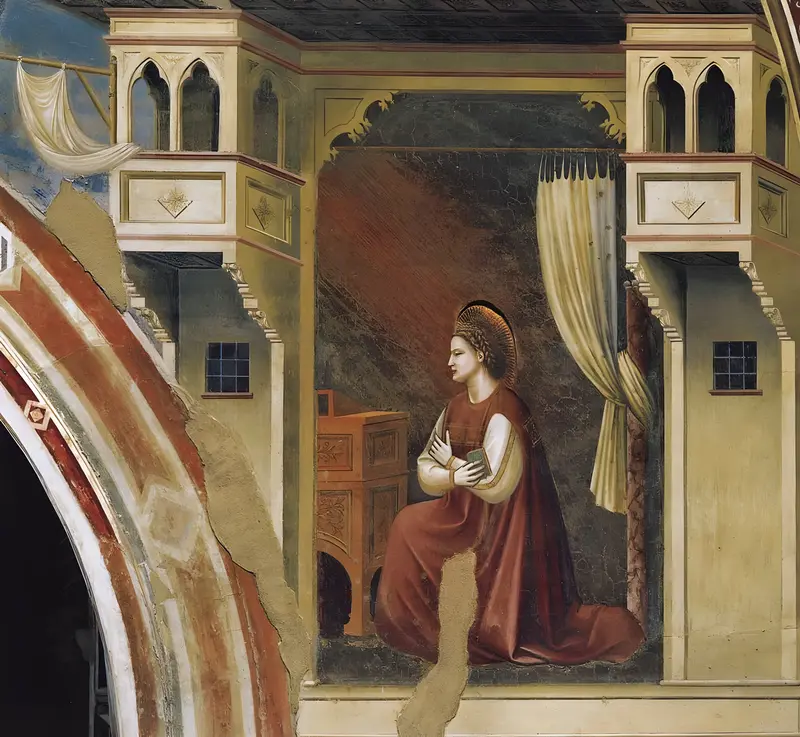
The Virgin of the Annunciation
Giotto di Bondone
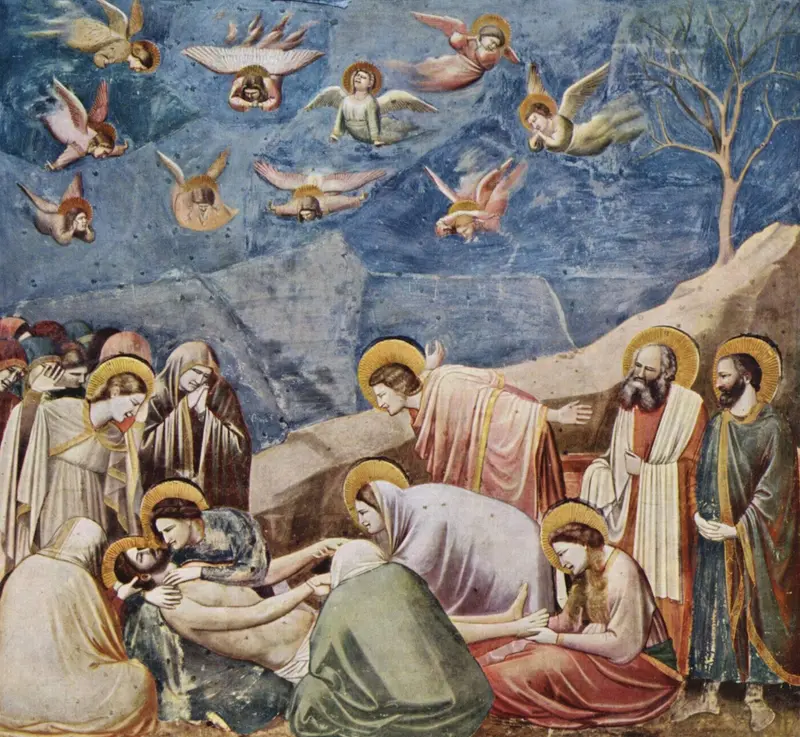
Lamentation (The Mourning of Christ)
Giotto di Bondone
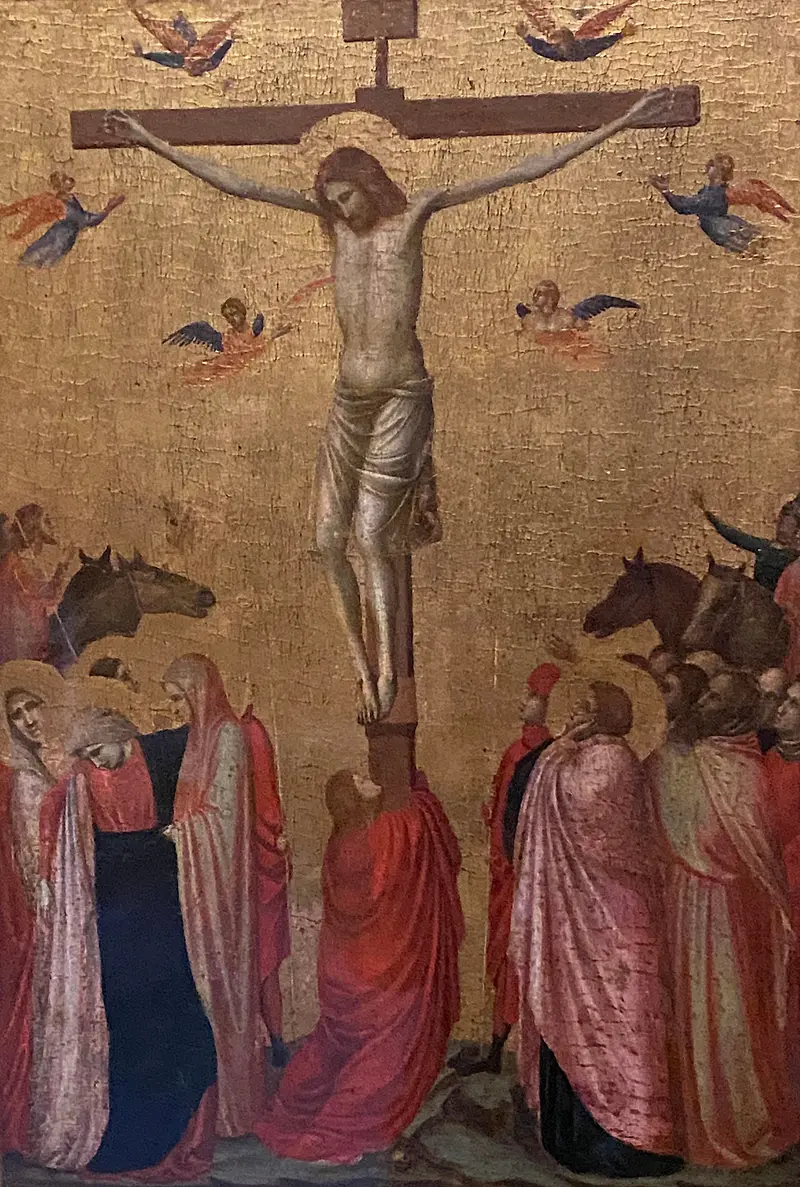
Crucifixion of Strasbourg
Giotto di Bondone
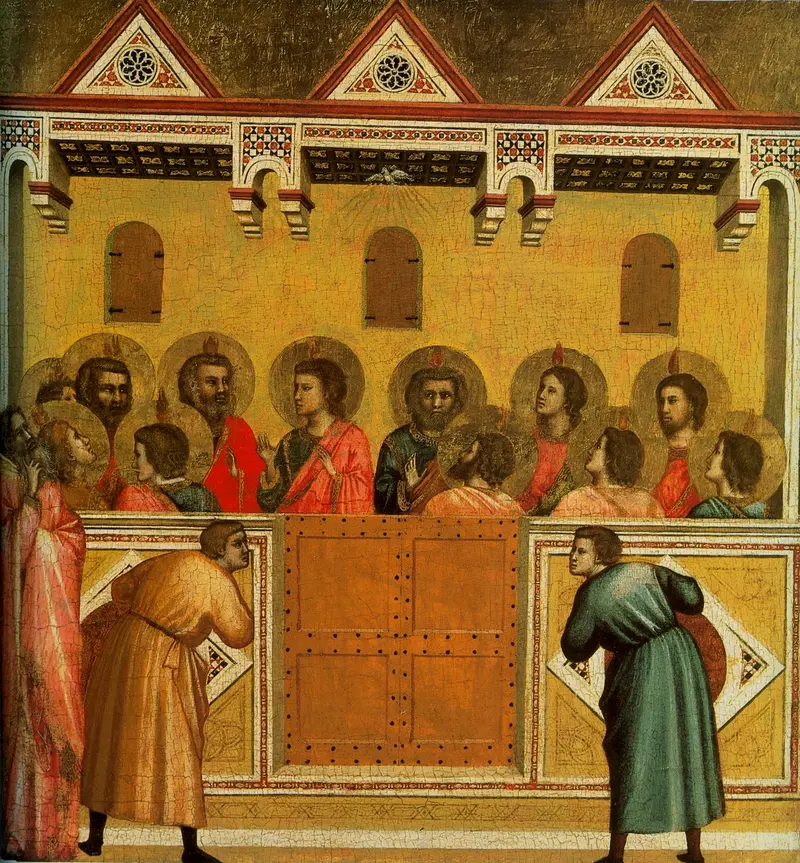
Pentecost
Giotto di Bondone
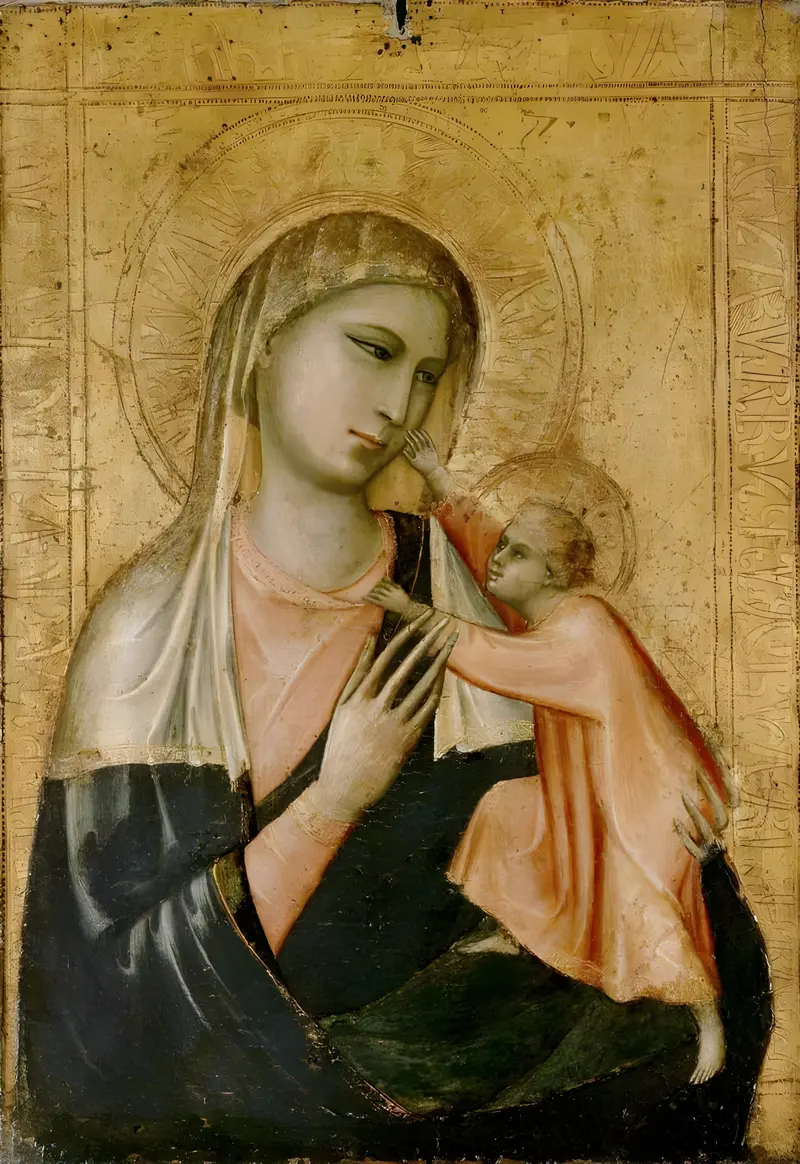
The Virgin and Child
Giotto di Bondone
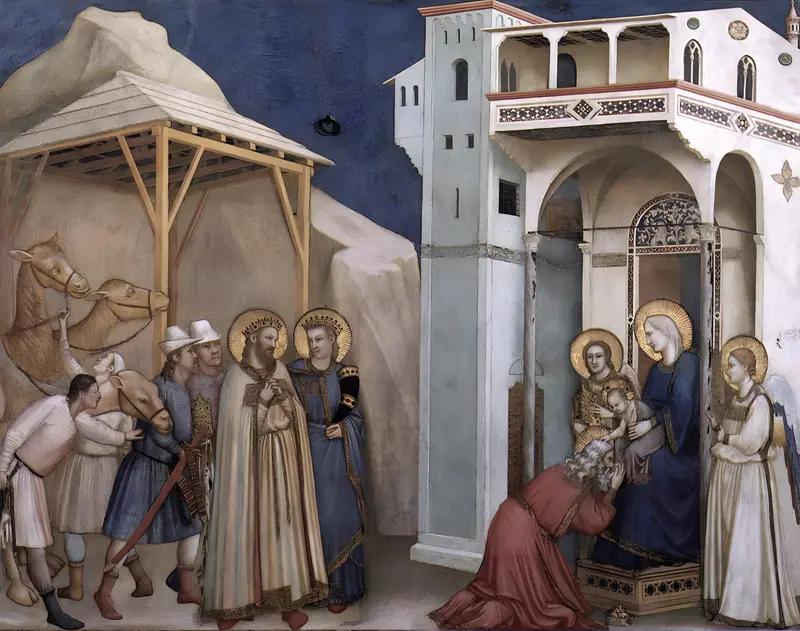
Anbetung der Könige
Giotto di Bondone
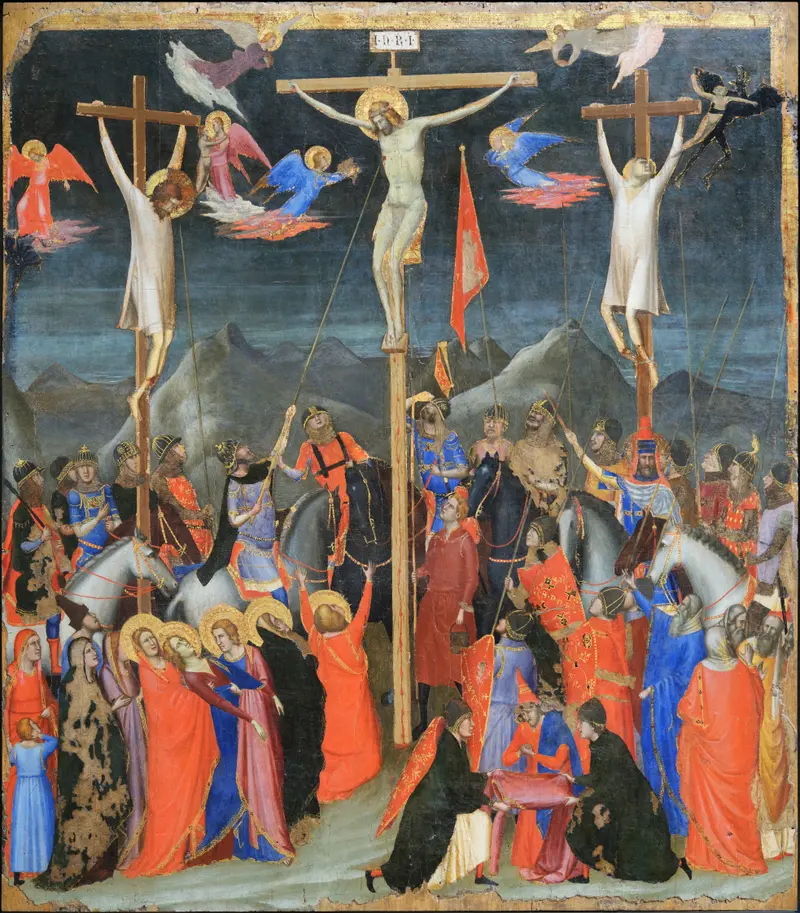
Crucifixion
Giotto di Bondone
The Visitation
Giotto di Bondone
Bologna Polyptych
Giotto di Bondone





