
St. Francis of Assisi Receiving the Stigmata — History & Facts
In the closing years of the 13th century, Giotto di Bondone painted what is widely considered the earliest surviving depiction of St. Francis of Assisi receiving the stigmata, a moment that would become central to Franciscan identity. This event, which Francis himself described in 1224, was said to have taken place on Mount La Verna, when the saint, deep in prayer, was visited by a seraph who imprinted Christ’s wounds on his body.
The painting’s fame spread rapidly, inspiring countless later images, but it is Giotto’s version that established the visual vocabulary for this miracle. Its influence is so profound that, as art historian John White notes, “all subsequent representations of the subject are, in one way or another, indebted to Giotto.” The scene unfolds at dawn on a rocky mountainside: St. Francis kneels in rapt devotion, his arms outstretched, as a six-winged seraph appears in a burst of golden light.
Rays shoot from the angel’s wounds to Francis’ hands, feet, and side, marking the moment of mystical transformation. The artist’s careful attention to the rocky landscape, the humble brown habit, and the gentle, almost startled expression on Francis’ face all serve to ground the miracle in the real world. Unlike later, more dramatic versions—such as El Greco’s swirling, ecstatic St.
Francis Receiving the Stigmata—Giotto’s approach is calm and direct, emphasizing the saint’s humility and the quiet gravity of the event. The precise origins of this panel remain uncertain, as the medium and original location have been lost to time, but it was likely commissioned for a Franciscan church or chapel, reflecting the order’s desire to promote their founder’s sanctity. Over the centuries, the painting has been studied as a key work in Giotto’s early career, marking his break from the Byzantine tradition and his embrace of naturalism. While the journey of the object itself is not fully documented, its influence is visible in the countless frescoes and altarpieces that followed.
Today, St. Francis of Assisi Receiving the Stigmata stands as a cornerstone of late medieval art, its quiet authority continuing to shape how the miraculous is pictured.
More Artworks by Giotto di Bondone
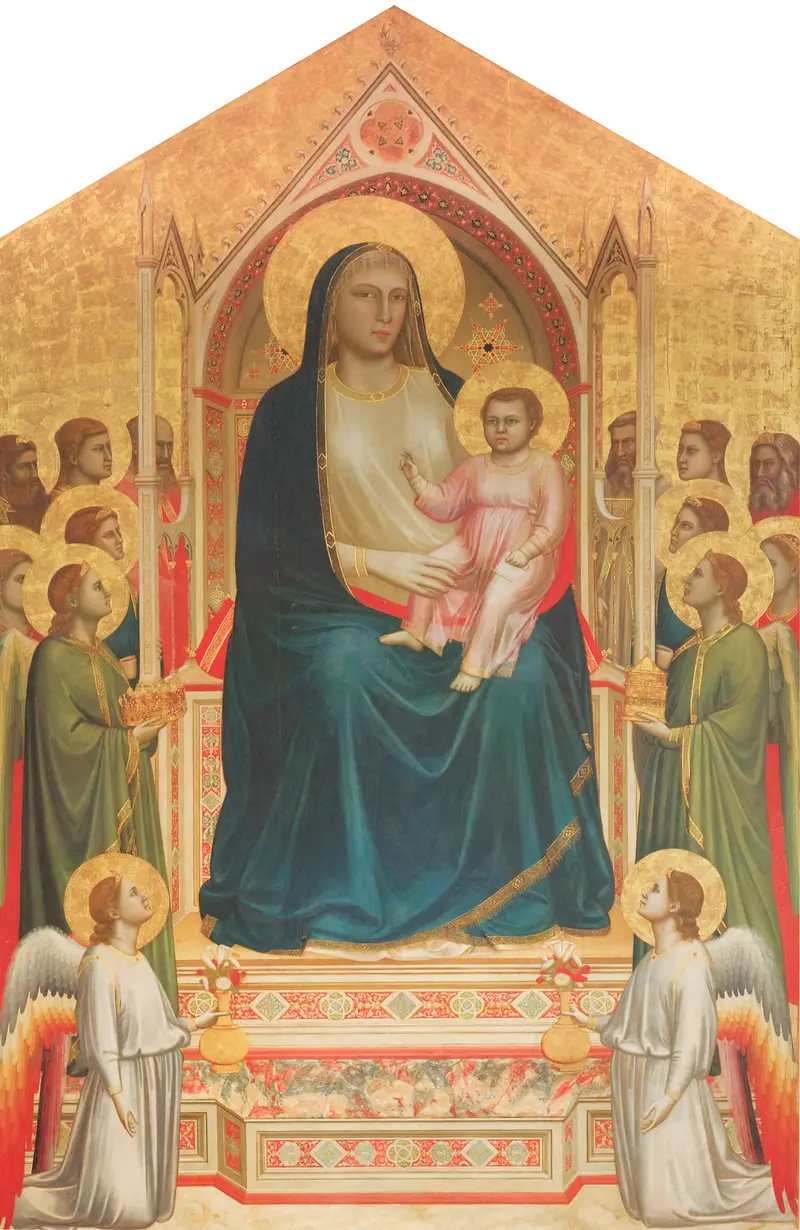
Ognissanti Madonna
Giotto di Bondone
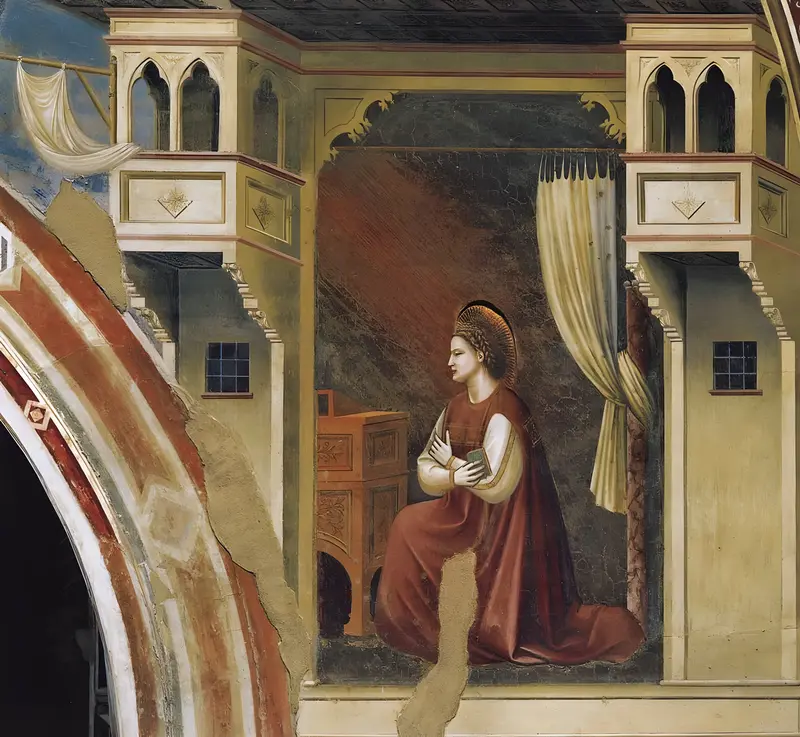
The Virgin of the Annunciation
Giotto di Bondone
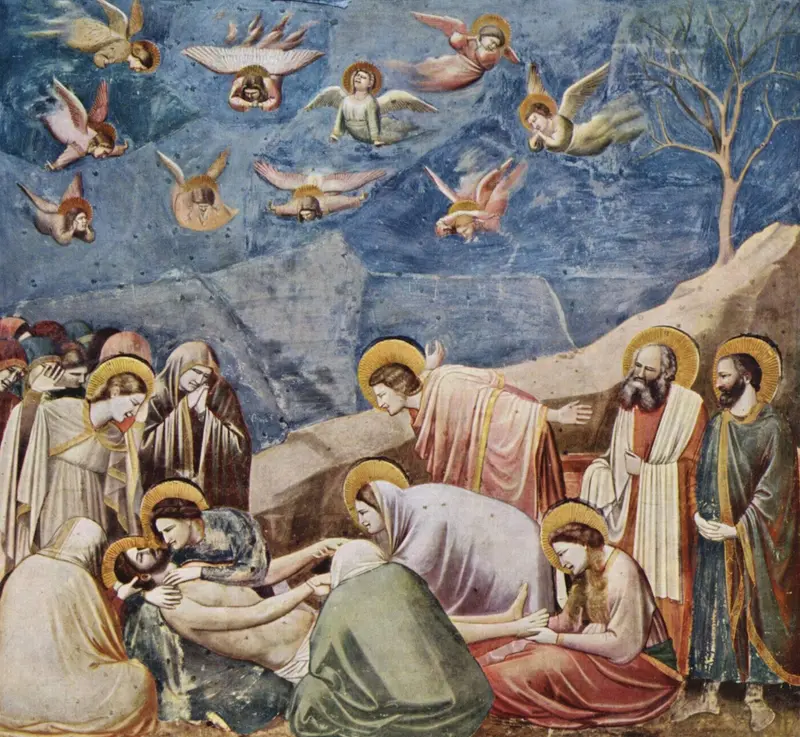
Lamentation (The Mourning of Christ)
Giotto di Bondone
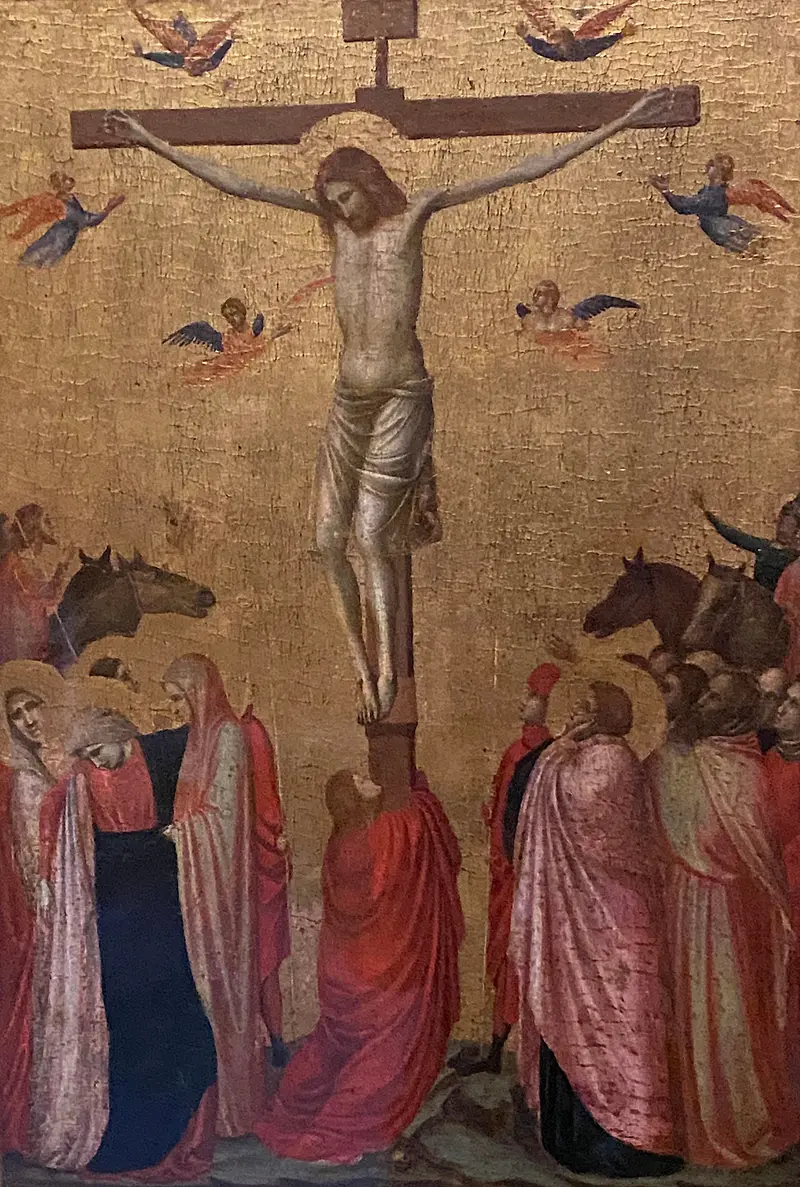
Crucifixion of Strasbourg
Giotto di Bondone
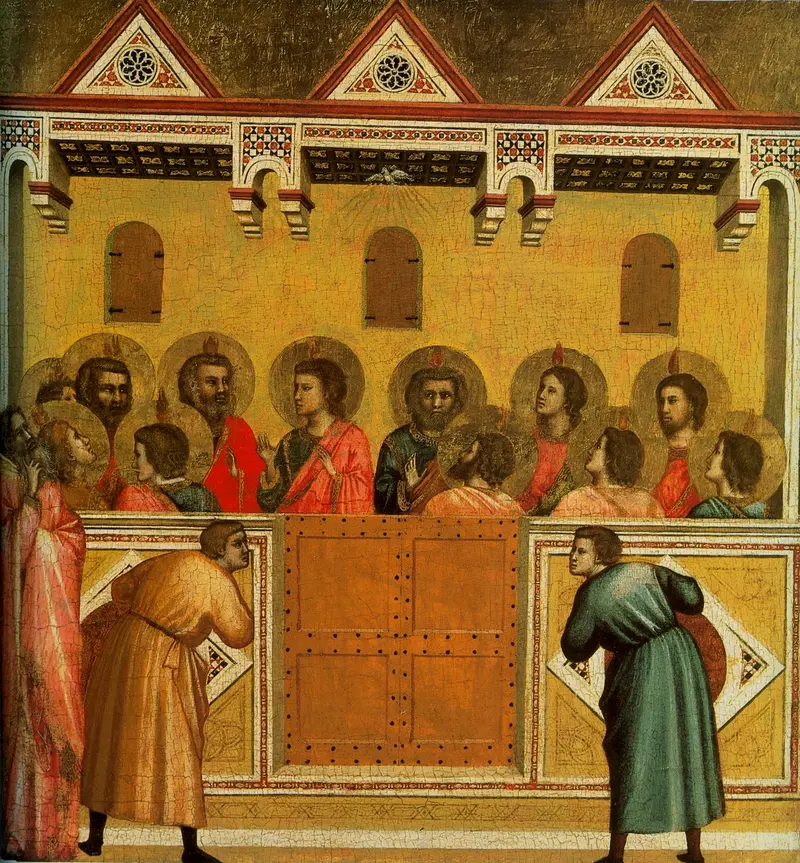
Pentecost
Giotto di Bondone
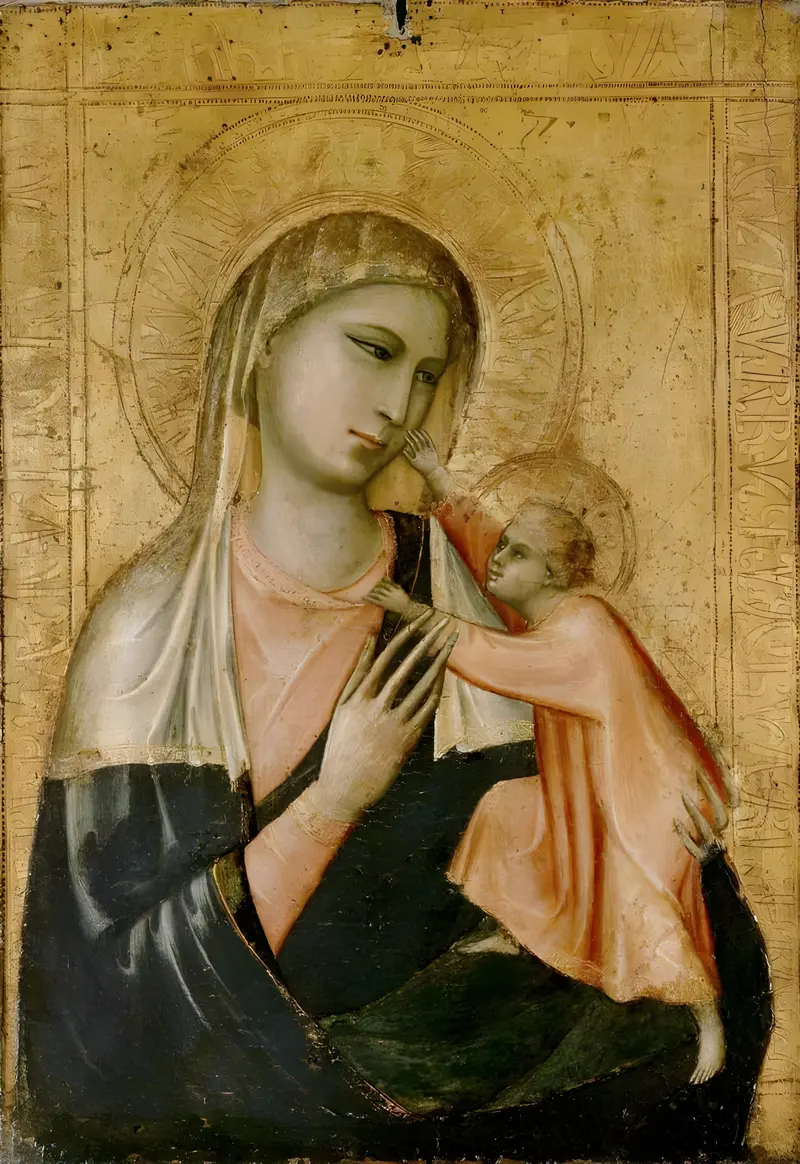
The Virgin and Child
Giotto di Bondone
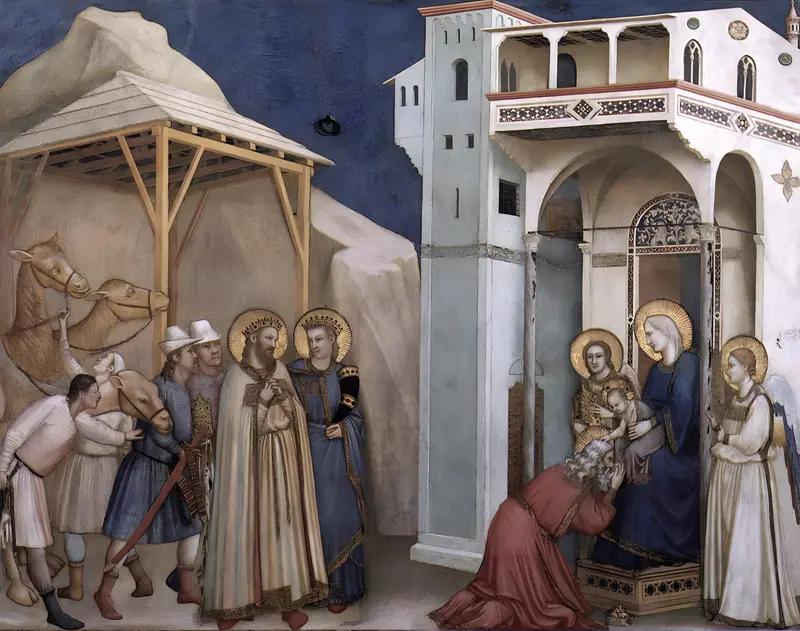
Anbetung der Könige
Giotto di Bondone
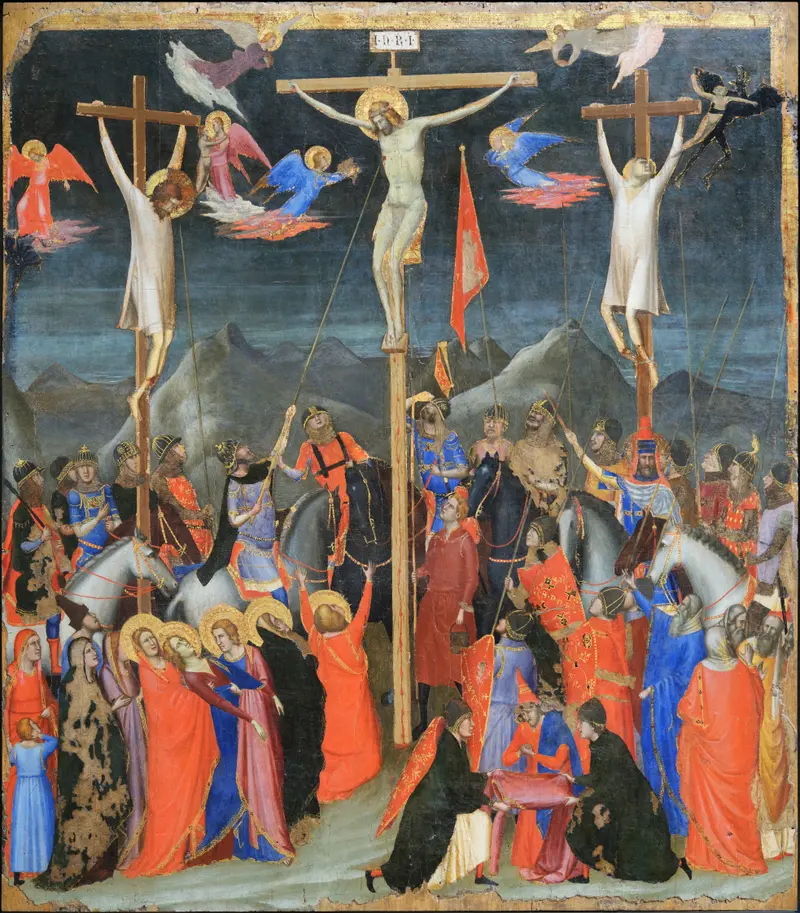
Crucifixion
Giotto di Bondone
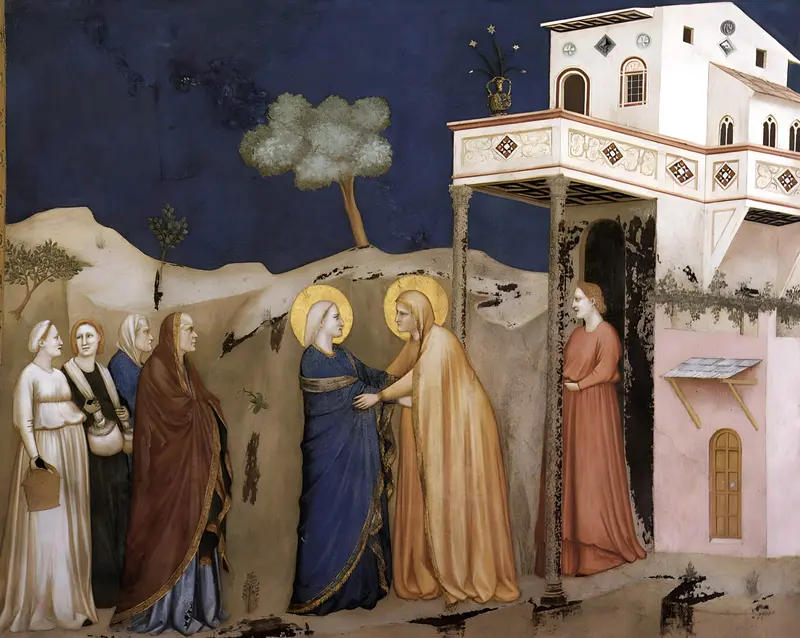
The Visitation
Giotto di Bondone
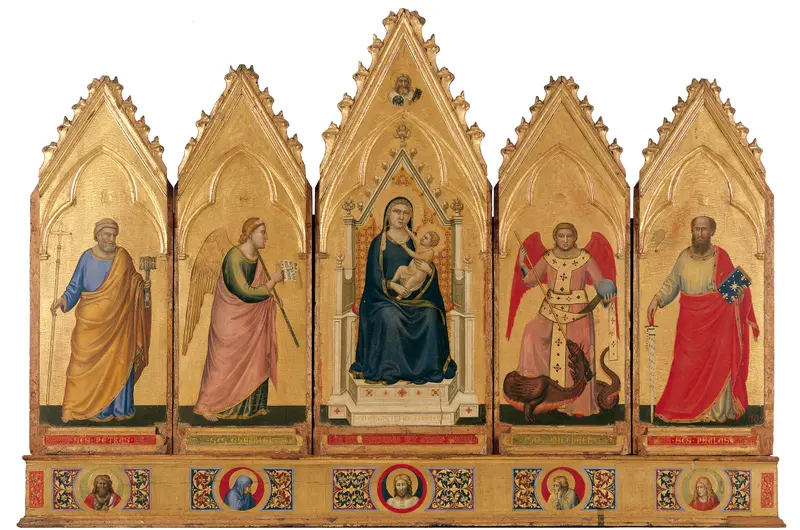
Bologna Polyptych
Giotto di Bondone





