
The Feast of The Gods At The Wedding of Peleus and Thetis — History & Facts
At the heart of this painting lies a moment that would set the entire Trojan War in motion: the fateful wedding feast of Peleus and Thetis, where an uninvited guest—Eris, goddess of discord—would spark a rivalry among the goddesses that ultimately led to Helen’s abduction. The story, immortalized in classical myth and retold by Ovid and Homer, is a favorite among artists for its blend of festivity and impending chaos. Abraham Bloemaert’s version stands out for its lively, almost theatrical gathering of deities, each rendered with the sensuous detail and color that marked the late Mannerist style in the Northern Netherlands. Bloemaert chooses the critical instant just before discord erupts: the gods and goddesses, draped in bright silks and crowned with laurels, recline around a sumptuous table, oblivious to the trouble brewing at the edge of the scene.
Jupiter and Juno preside at the center, while Mercury, Apollo, and Bacchus mingle nearby, their attributes—winged helmet, lyre, grapevines—identifying them for the viewer. The golden apple, destined for “the fairest,” glimmers in the hand of Eris, who lingers at the periphery, her presence a visual harbinger of the strife to come. Compared to Peter Paul Rubens’s more muscular and tumultuous The Feast of the Gods, Bloemaert’s composition is gentler, emphasizing the gods’ humanity and the fleeting peace before mythic disaster. The exact origins of The Feast of The Gods At The Wedding of Peleus and Thetis remain uncertain, as the date and commissioner have not survived, but the painting’s style and subject place it firmly within the flourishing Dutch interest in mythological themes around the turn of the 17th century.
Works like this were popular among learned collectors, who prized both their erudition and their opportunity for the artist to display skill in anatomy and storytelling. Bloemaert himself was a central figure in Utrecht, teaching a generation of painters who would later define Dutch Baroque art. Today, the painting’s whereabouts and provenance are not fully documented, but it remains a vivid testament to Bloemaert’s ability to blend classical narrative with Northern color and light.
More Artworks by Abraham Bloemaert

Adam and Eve
Abraham Bloemaert
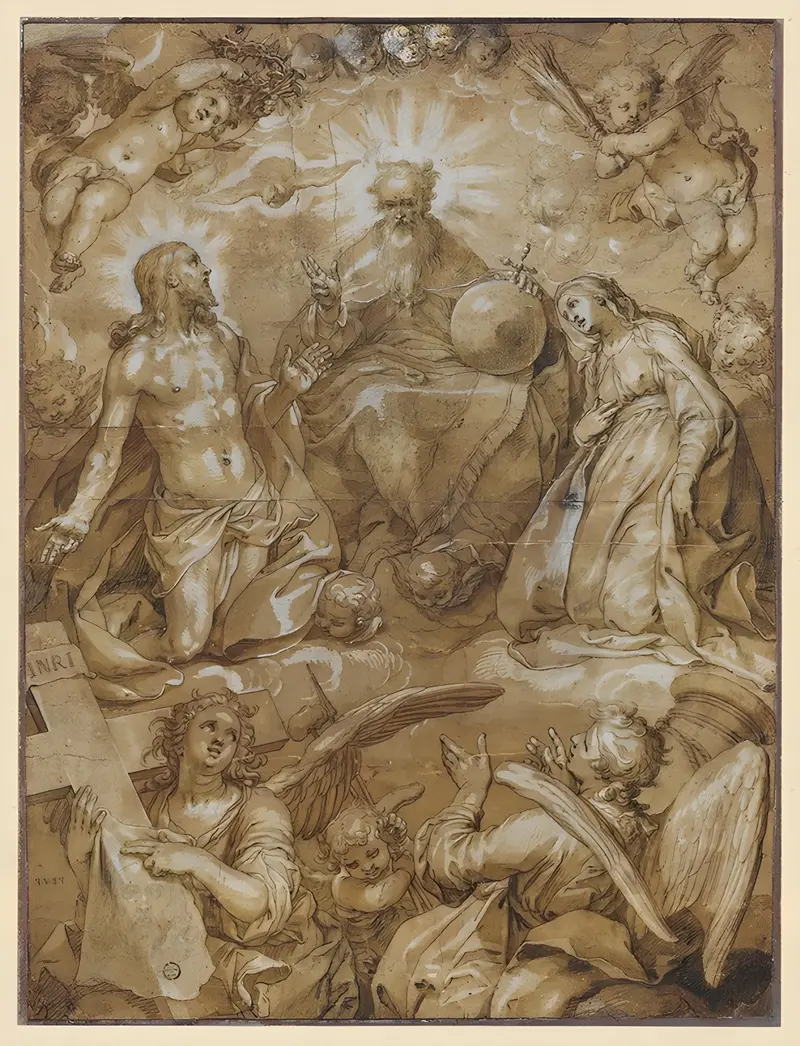
Intercession of Christ and Mary before God the Father
Abraham Bloemaert
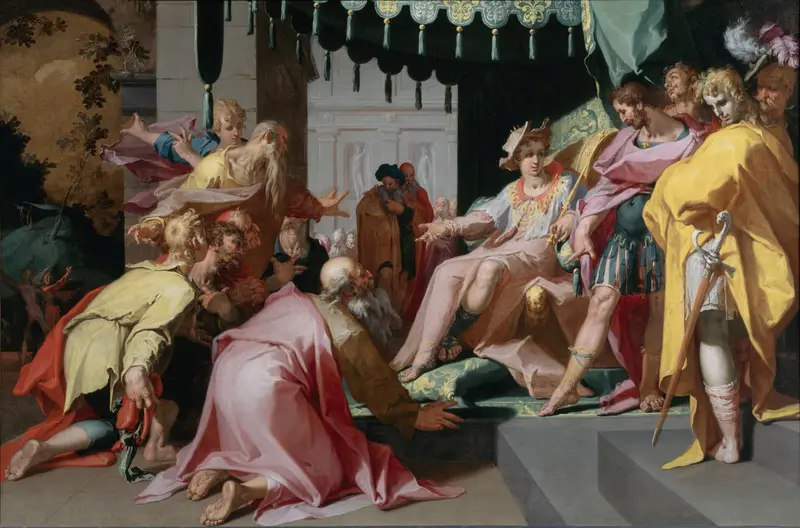
Joseph and his Brothers
Abraham Bloemaert
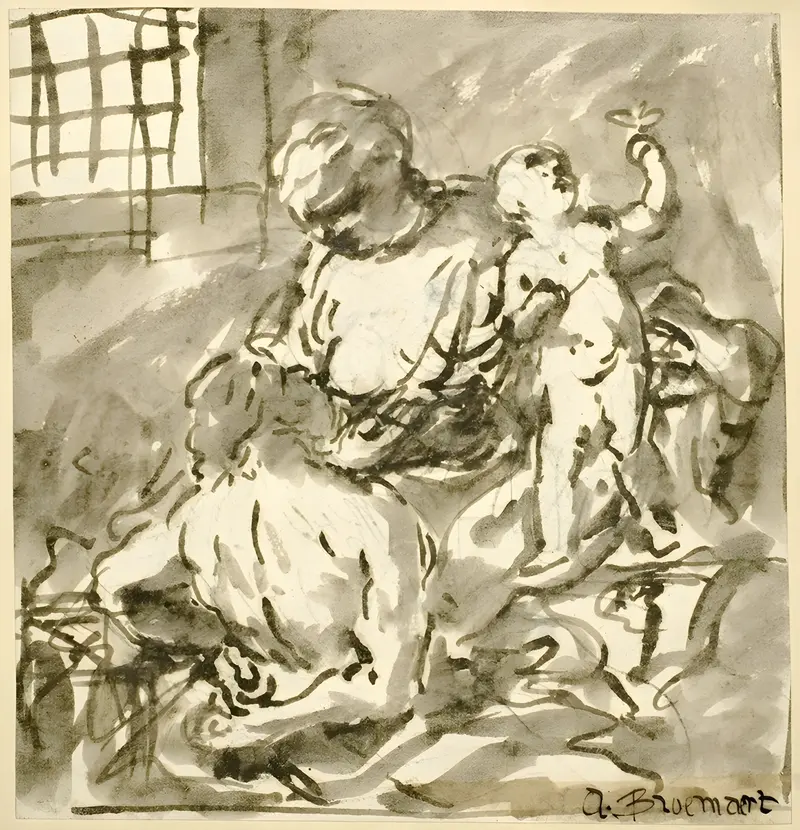
Caritas Romana
Abraham Bloemaert
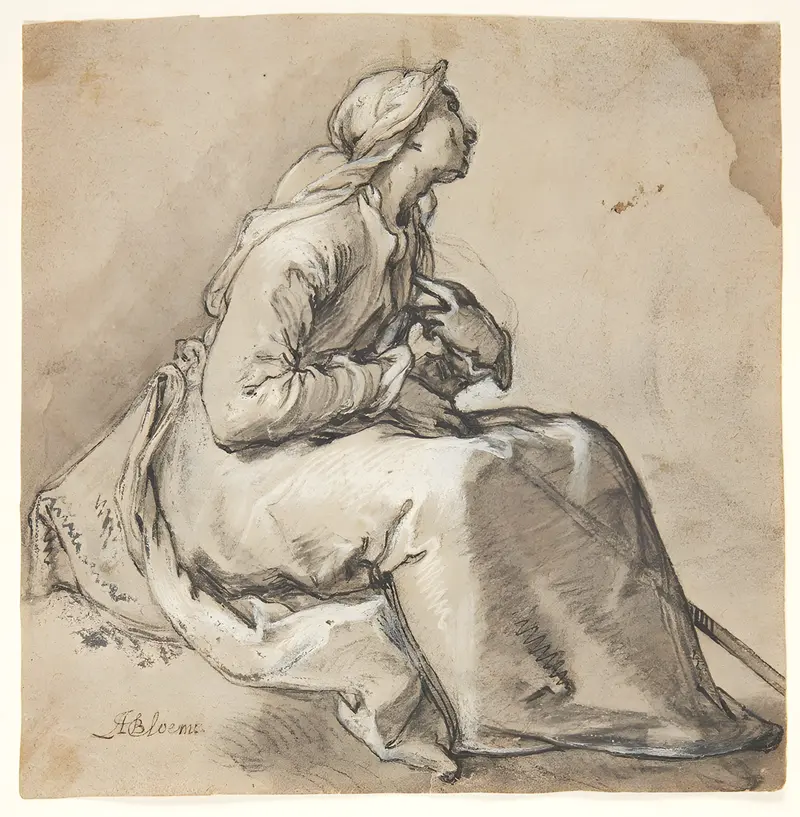
A seated woman facing right
Abraham Bloemaert
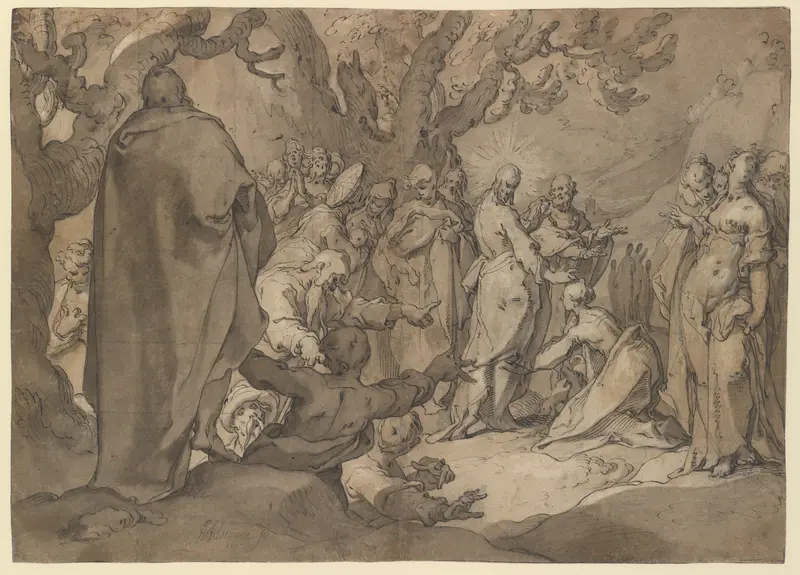
Christ and the Canaanite Women
Abraham Bloemaert
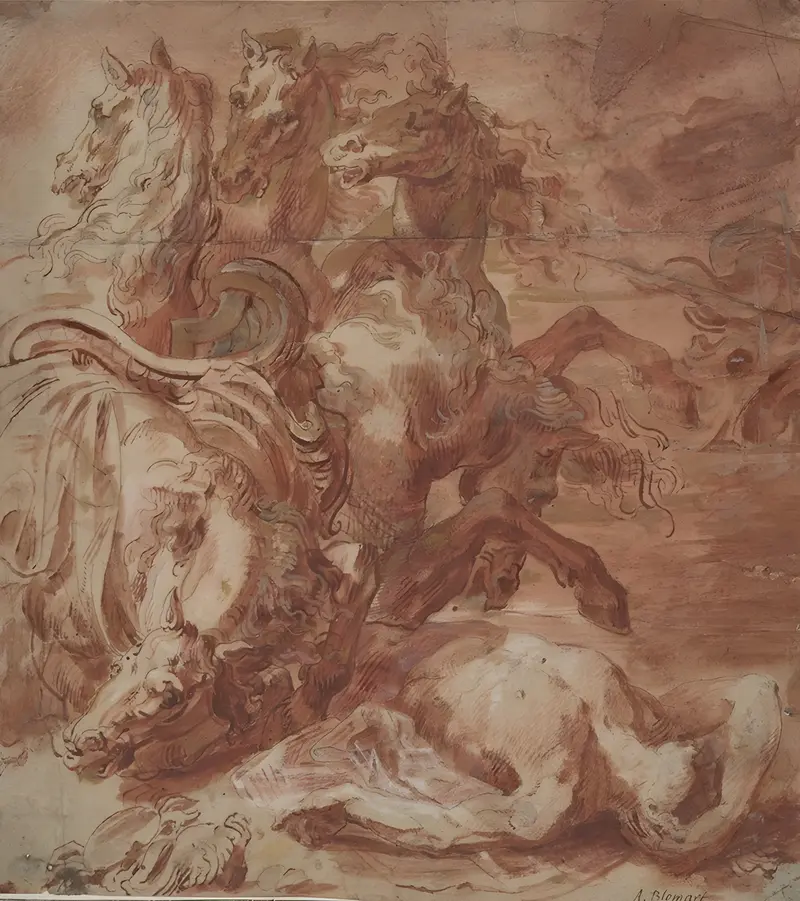
Hippolytus
Abraham Bloemaert
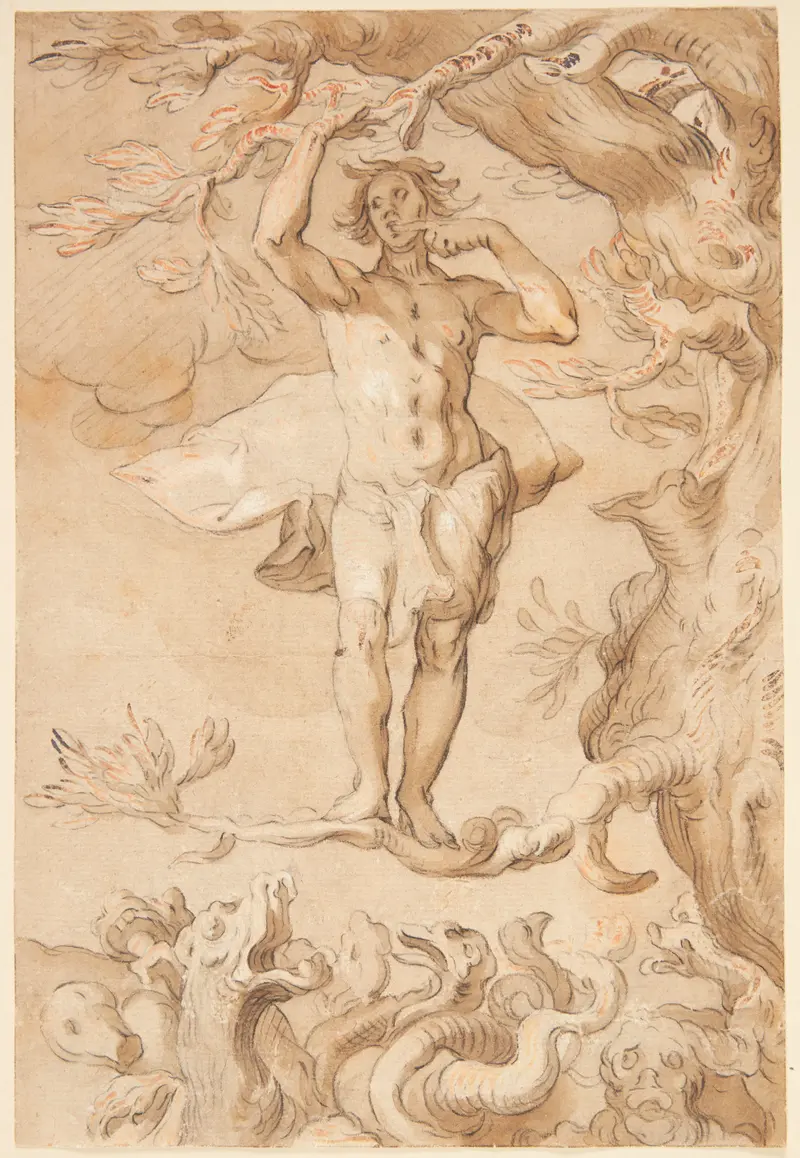
Den menneskelige glædes skrøbelighed En mand, der jages af en drage, klynger sig til en gren, mens han slikker honning af sin finger
Abraham Bloemaert

Moses Striking the Rock
Abraham Bloemaert
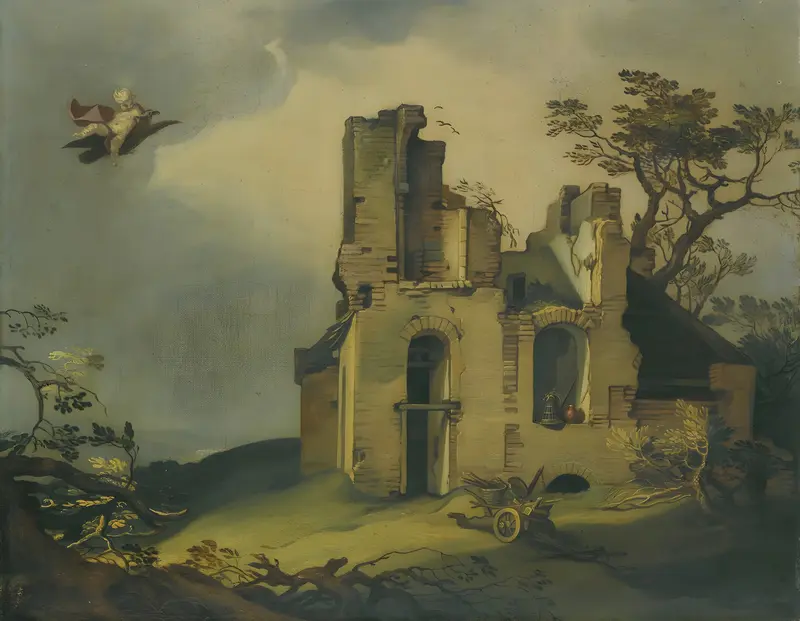
A Landscape With Ruins, With The Rape Of Ganymede
Abraham Bloemaert





