
The Progress of Love: The Pursuit — History & Facts
When Jean-Honoré Fragonard was commissioned in 1771 by Madame du Barry, the last mistress of Louis XV, to decorate her new pavilion at Louveciennes, he was at the height of his fame. Yet, despite the artist’s reputation, the commission ended in disappointment: Madame du Barry rejected Fragonard’s entire series, including The Progress of Love: The Pursuit, and replaced them with works by another painter, Joseph-Marie Vien. The reason, as noted in contemporary correspondence, was that Fragonard’s exuberant Rococo style no longer suited the new, more restrained tastes of the late 1770s.
This abrupt dismissal left the paintings homeless for decades, their fate a subject of fascination for art historians ever since. In The Pursuit, the second scene in the series, a young gallant offers a single rose to his beloved in a lush, overgrown garden. The moment is suspended between hesitation and hope: the suitor’s outstretched arm and earnest gaze contrast with the coy, half-turned posture of the lady, who clutches her own bouquet close. Marble statuary and cascading greenery frame the couple, evoking the secret gardens of Versailles and the theatricality of courtship rituals.
The rose, a symbol of love, and the garden’s hidden alcoves hint at both innocence and intrigue. Unlike the more restrained depictions of love by Boucher or Greuze, Fragonard’s lovers are swept up in a world of private fantasy, their emotions heightened by the painter’s energetic brushwork and glowing palette. After their rejection by Madame du Barry, the four large canvases of The Progress of Love remained with Fragonard, who eventually installed them in his cousin’s villa in Grasse. It was not until the early twentieth century that the series was rediscovered and acquired by the American collector Henry Clay Frick, who brought them to New York.
Today, The Pursuit and its companions are housed at The Frick Collection, celebrated as high points of French Rococo painting. For Fragonard, the episode marked a turning point: the changing tastes of the era left his style behind, and he never again received a commission of such scale or prestige.
More Artworks by Jean-Honoré Fragonard
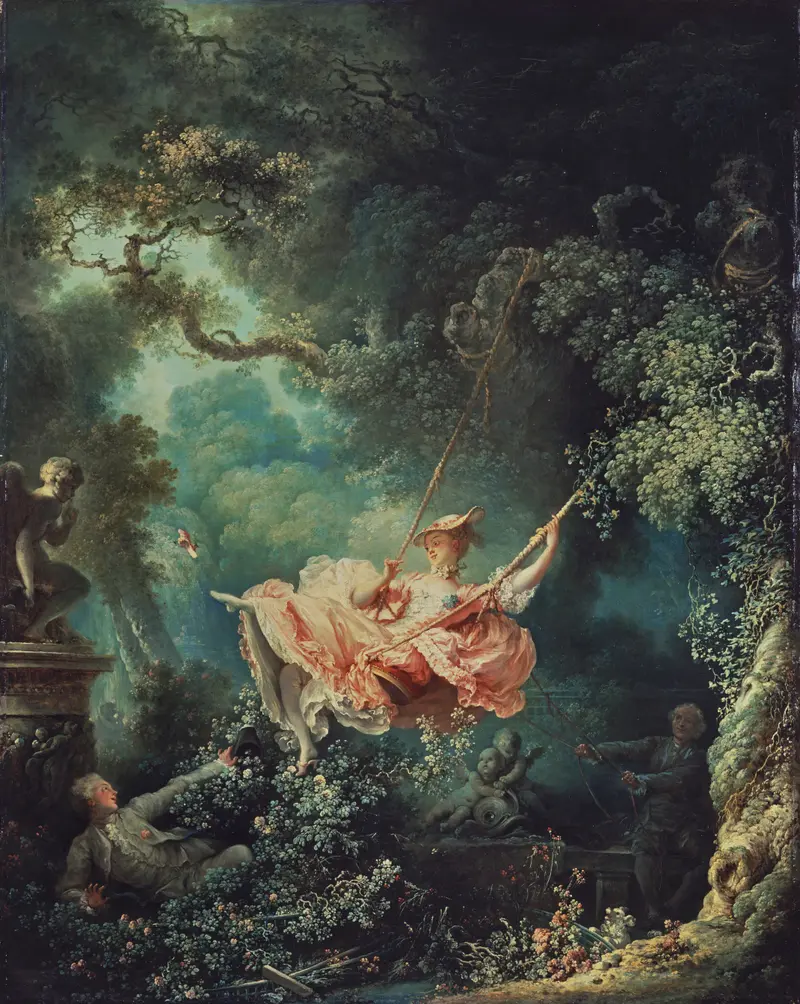
The Swing
Jean-Honoré Fragonard

The Swing
Jean-Honoré Fragonard
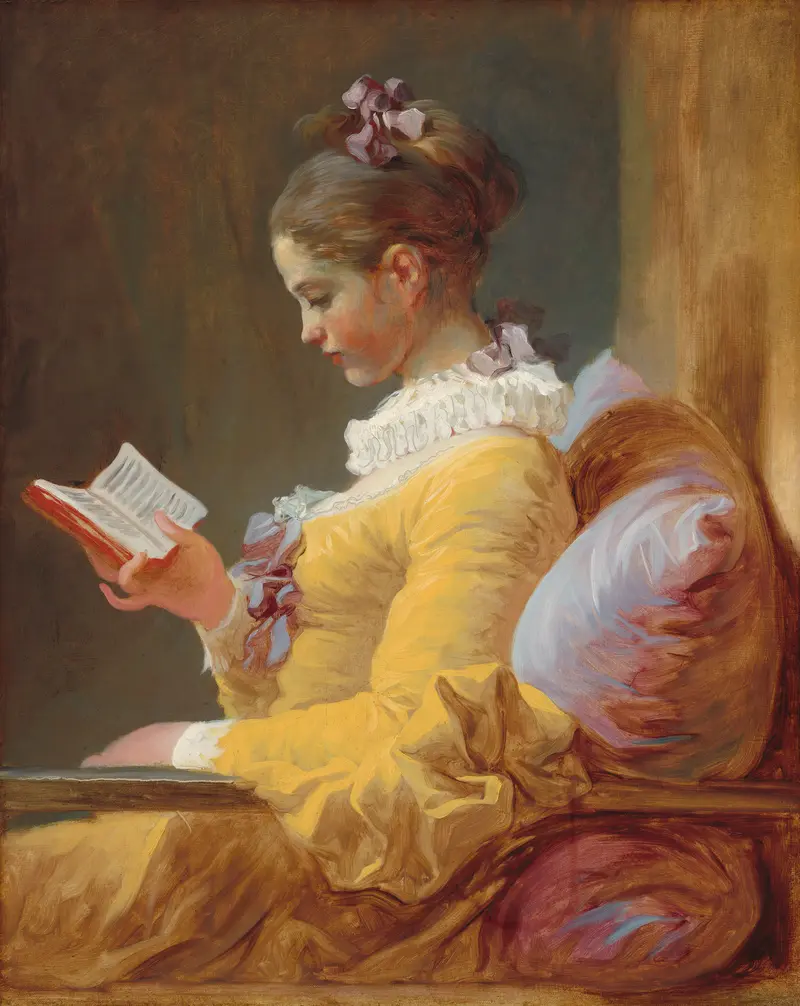
A Young Girl Reading
Jean-Honoré Fragonard
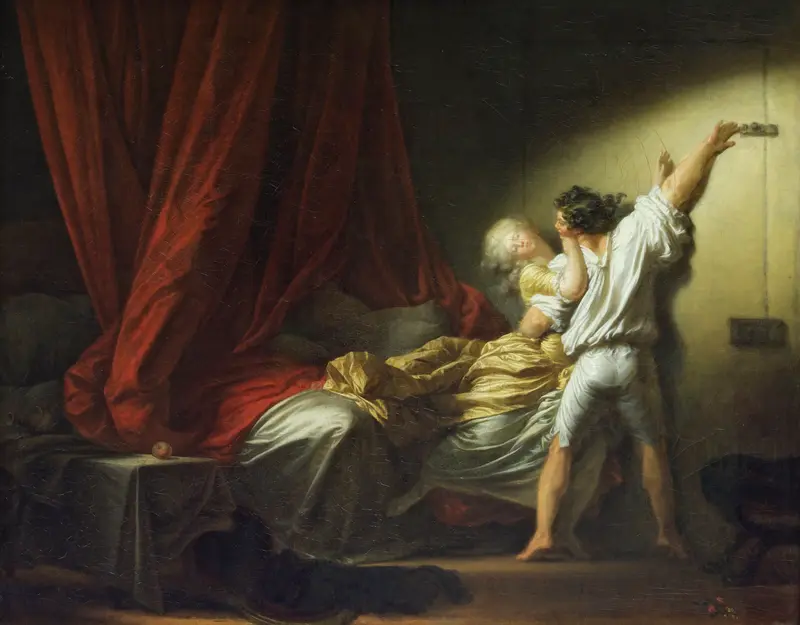
The Lock
Jean-Honoré Fragonard
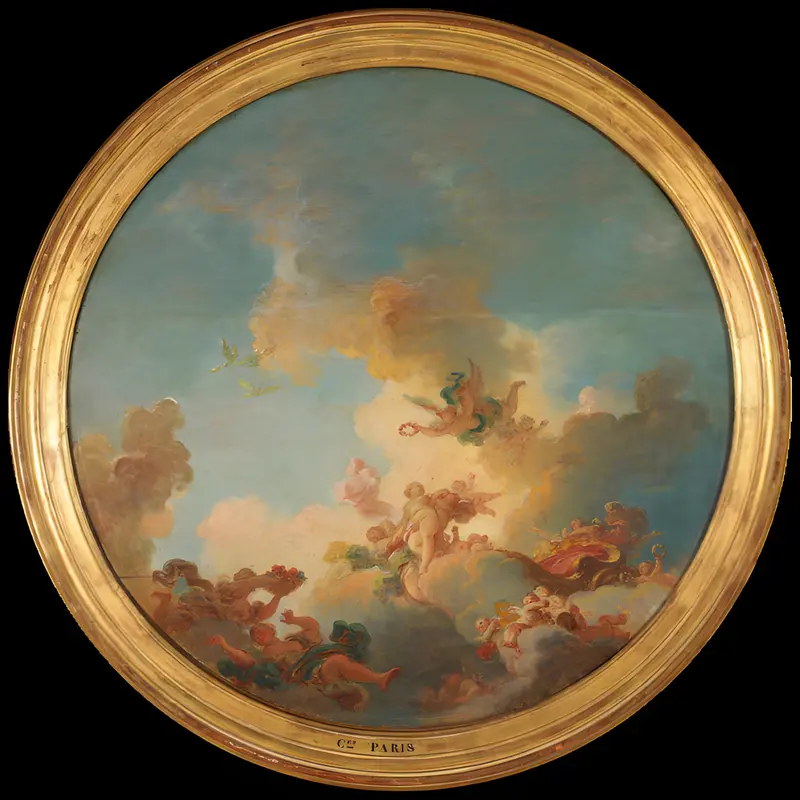
The Triumph of Venus
Jean-Honoré Fragonard
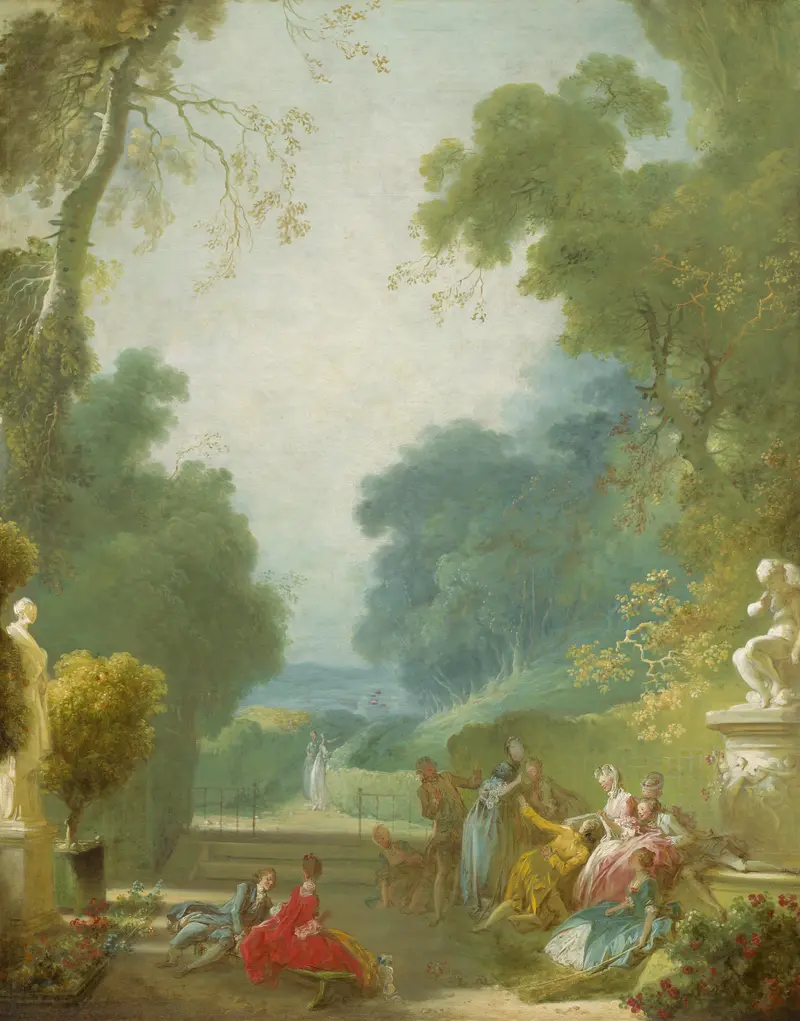
A Game of Hot Cockles
Jean-Honoré Fragonard
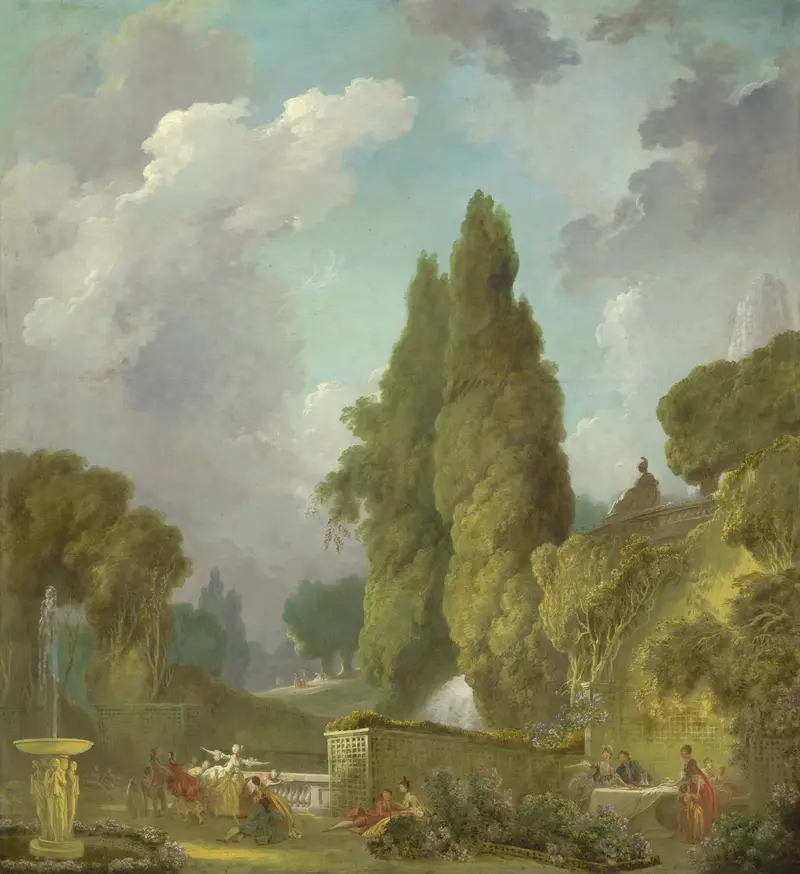
Blindman’s Buff
Jean-Honoré Fragonard
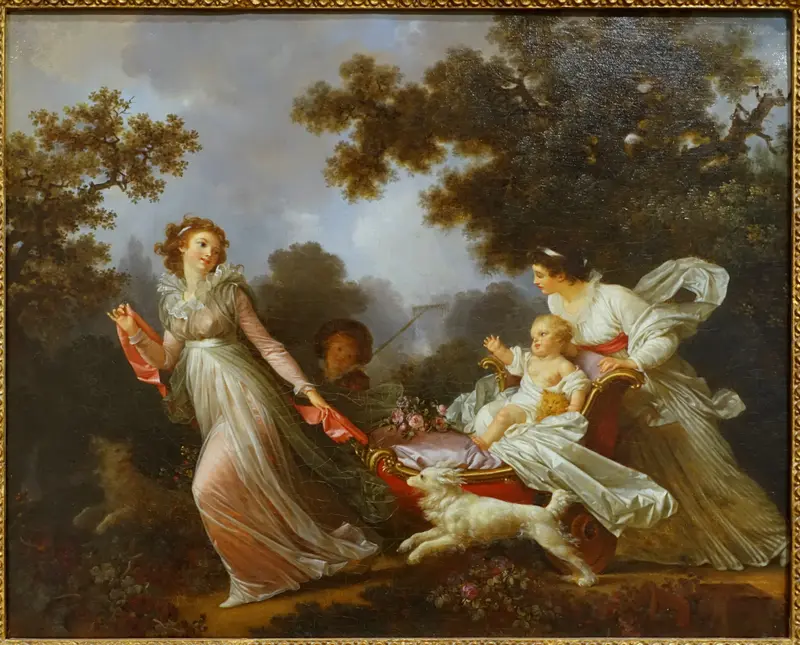
The Beloved Child
Jean-Honoré Fragonard
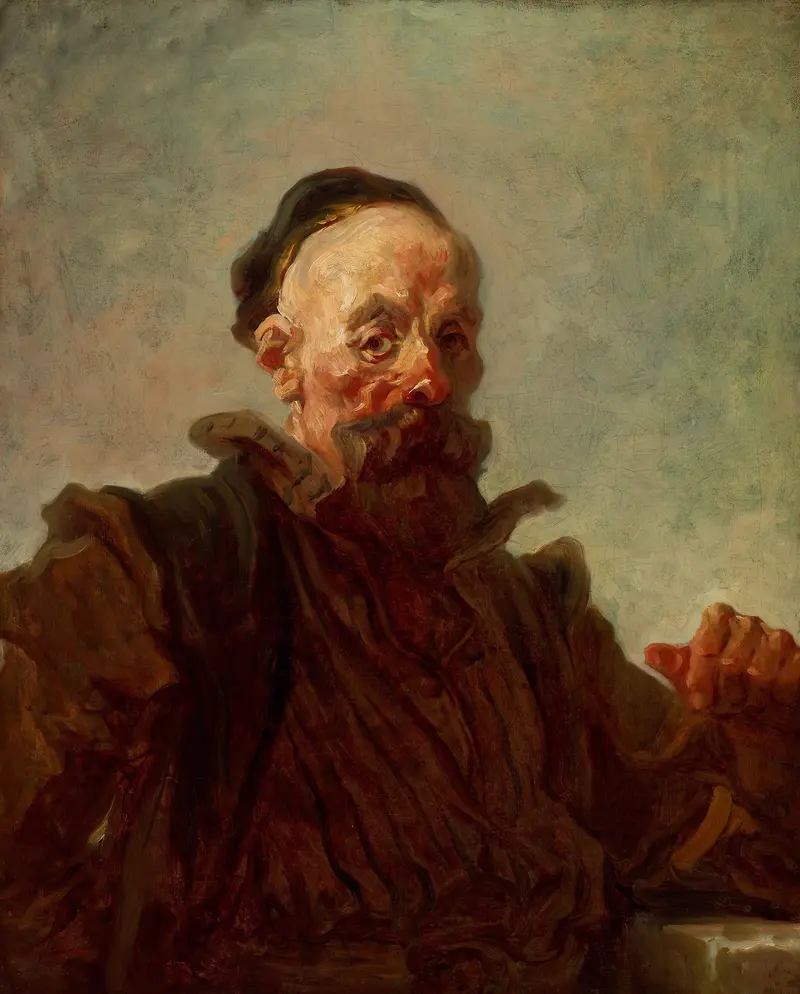
Portrait of a Man in Costume
Jean-Honoré Fragonard
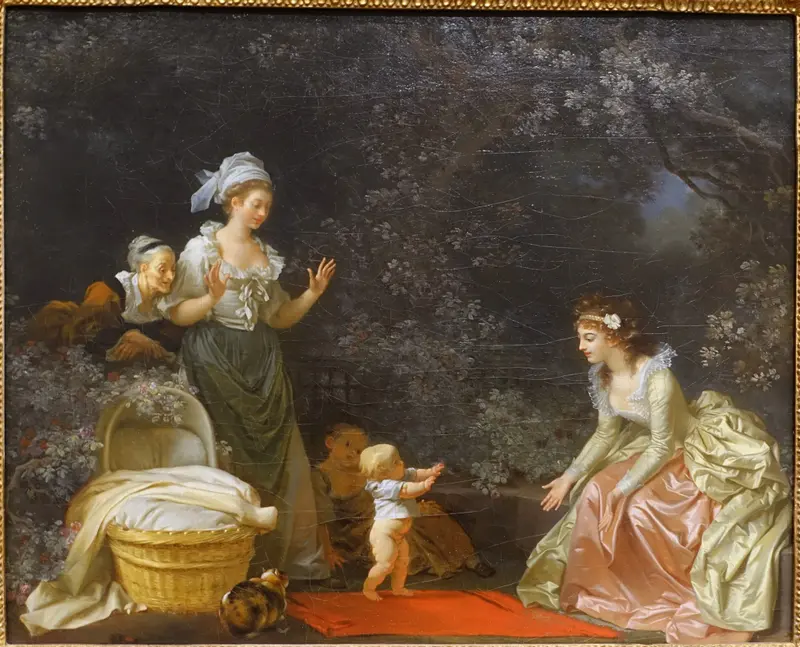
The First Steps
Jean-Honoré Fragonard
More Genre Scene Art

Banquet of the Officers of the St George Civic Guard
Frans Hals

Rembrandt and Saskia in the Scene of the Prodigal Son
Rembrandt van Rijn

Bal du moulin de la Galette
Pierre-Auguste Renoir

Quadrille at the Moulin Rouge
Henri de Toulouse-Lautrec

A Burial at Ornans
Gustave Courbet

When Will You Marry?
Paul Gauguin