
The Waste of Waters is Their Field — History & Facts
No other American painter was as haunted by the sea as Albert Pinkham Ryder, and in The Waste of Waters is Their Field he found his most brooding inspiration in the pages of Moby-Dick. Ryder, a lifelong admirer of Melville’s novel, took his title directly from its text, conjuring the vast, indifferent ocean as both stage and adversary. When first exhibited in 1880, the painting baffled critics with its dark, nearly formless masses and storm-lit drama—a far cry from the crisp realism popular in American art at the time. At the center of the canvas, a ghostly whaling ship pitches against mountainous waves, dwarfed by the immensity of the night sea.
The moon breaks through heavy clouds, its cold light catching the foam and the ragged sails, while the ship’s lanterns flicker like frail hopes. Ryder paints the moment when man’s ambition and nature’s fury collide, echoing the fatal chase of Captain Ahab. Unlike Turner’s famous shipwrecks, where color and motion dazzle, Ryder’s vision is all shadow and silence, the threat of the unseen leviathan lurking beneath the surface. The painting’s physical history is as murky as its palette.
Ryder was known for reworking his canvases obsessively, and it is not clear whether The Waste of Waters is Their Field was ever truly finished in his eyes. The medium remains uncertain—oil, perhaps mixed with unconventional varnishes, which has led to its notoriously fragile surface. Today, the painting is held in a major American museum, rarely loaned due to its delicate condition, and stands as a testament to Ryder’s singular, visionary approach at the dawn of American modernism.
More Artworks by Albert Pinkham Ryder

The Toilers of the Sea
Albert Pinkham Ryder
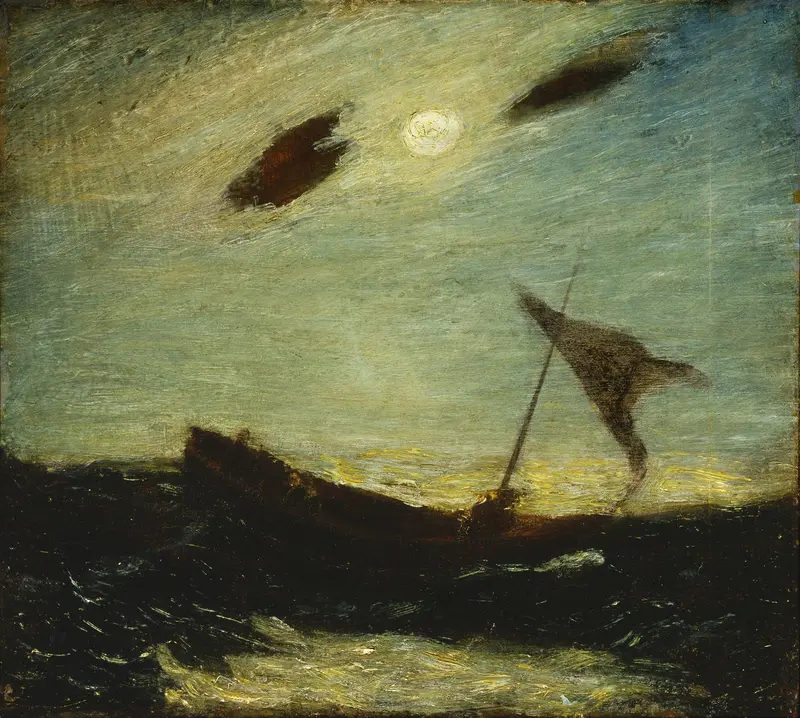
Moonlight
Albert Pinkham Ryder
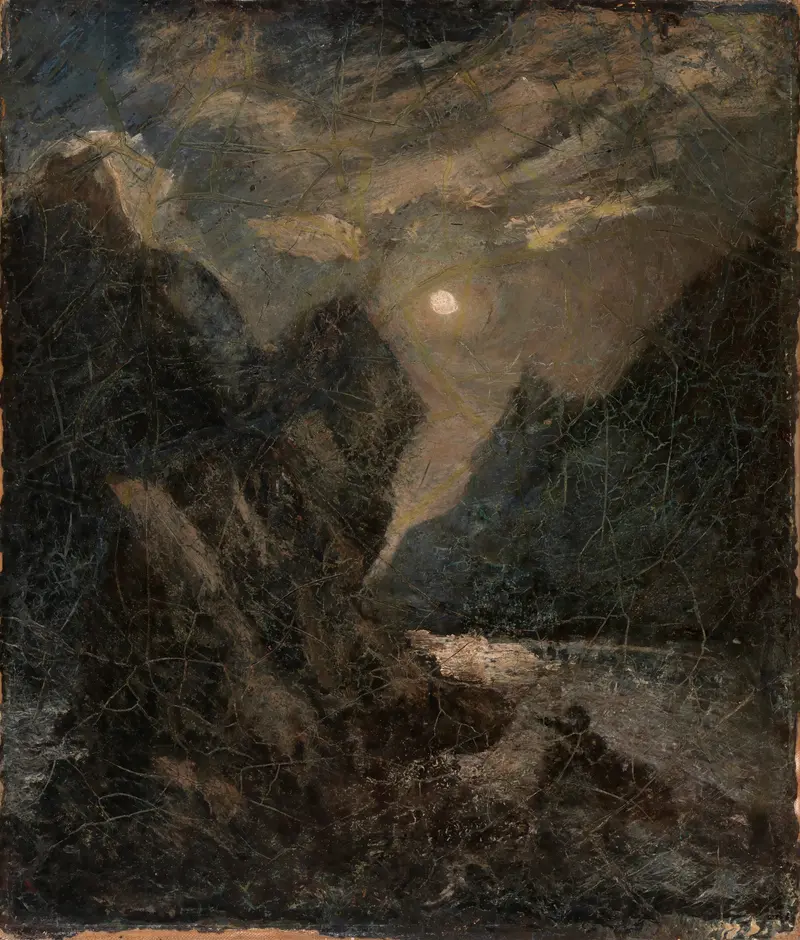
The Lorelei
Albert Pinkham Ryder
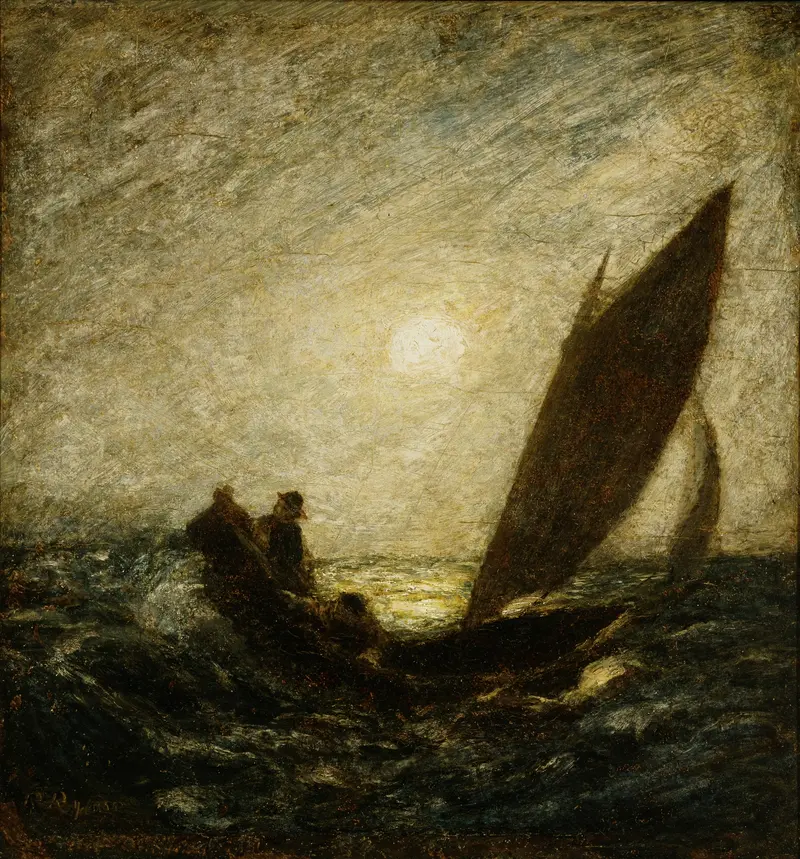
With Sloping Mast And Dipping Prow
Albert Pinkham Ryder
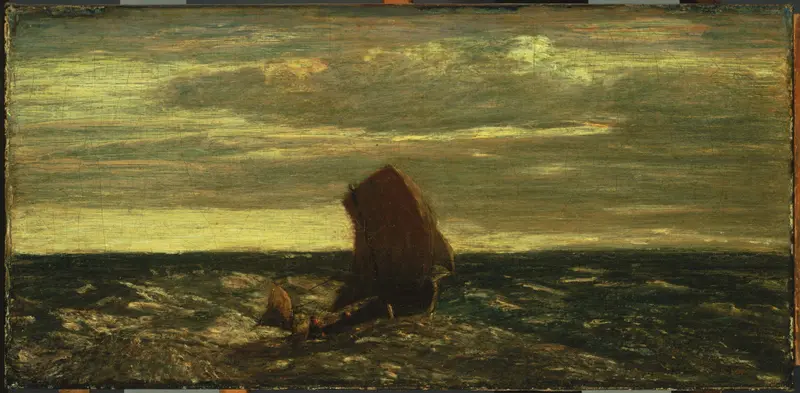
Homeward Bound
Albert Pinkham Ryder
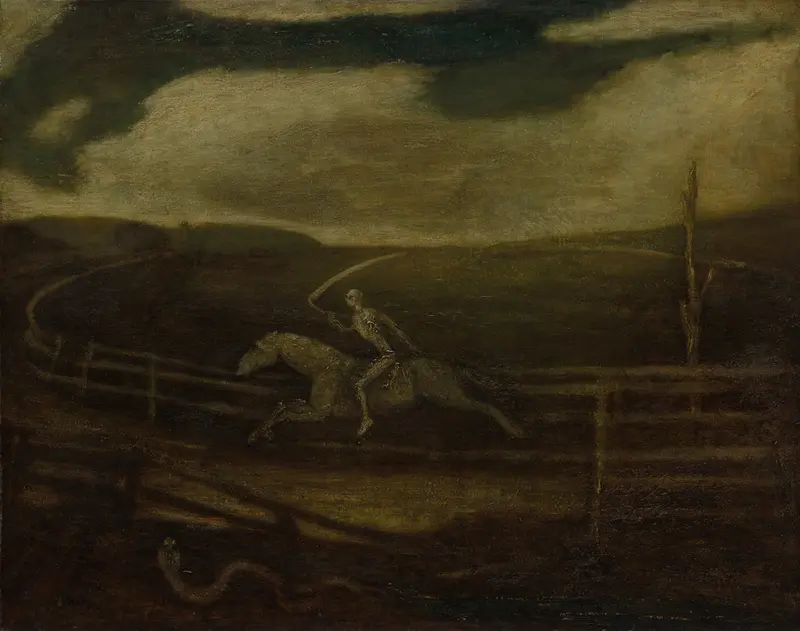
The Race Track (Death on a Pale Horse)
Albert Pinkham Ryder
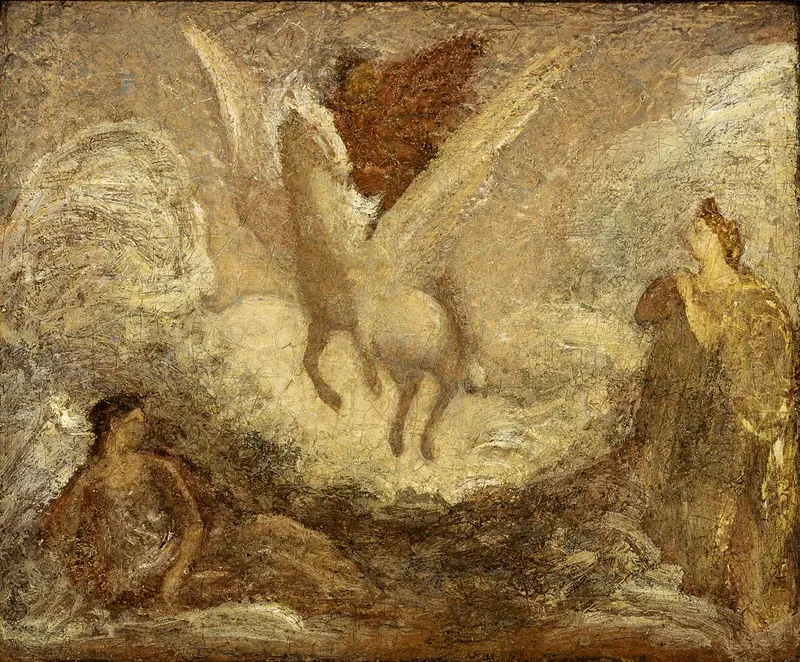
Pegasus Departing
Albert Pinkham Ryder
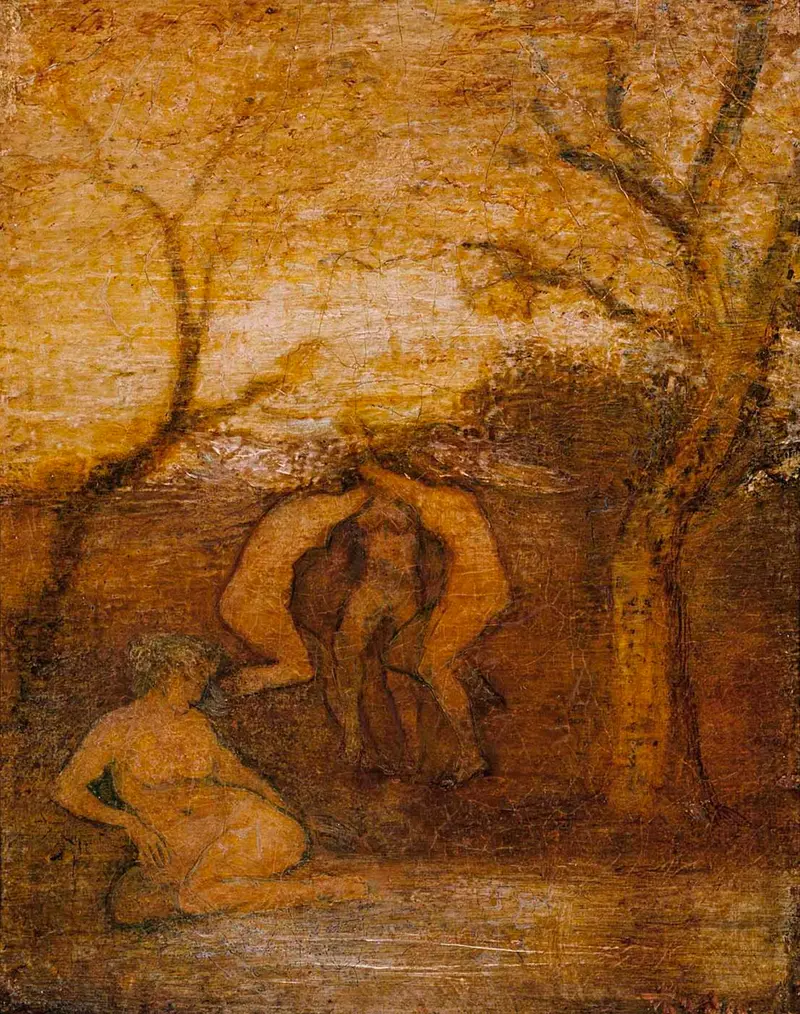
Dancing Dryads
Albert Pinkham Ryder
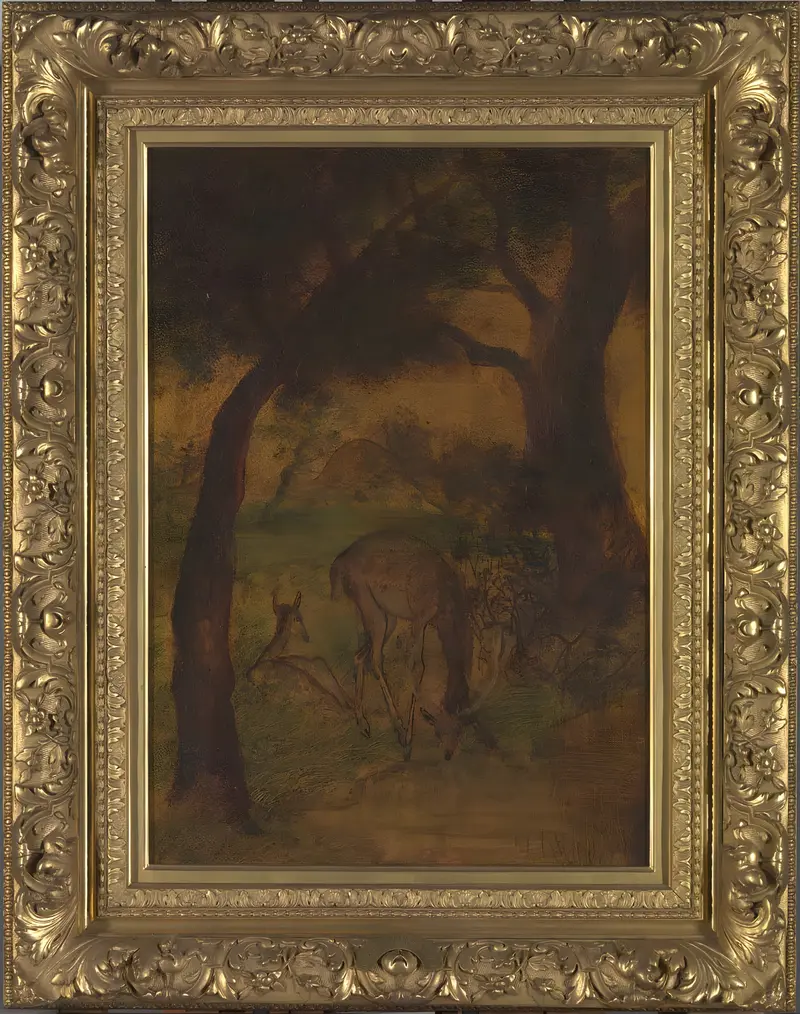
A Stag Drinking
Albert Pinkham Ryder
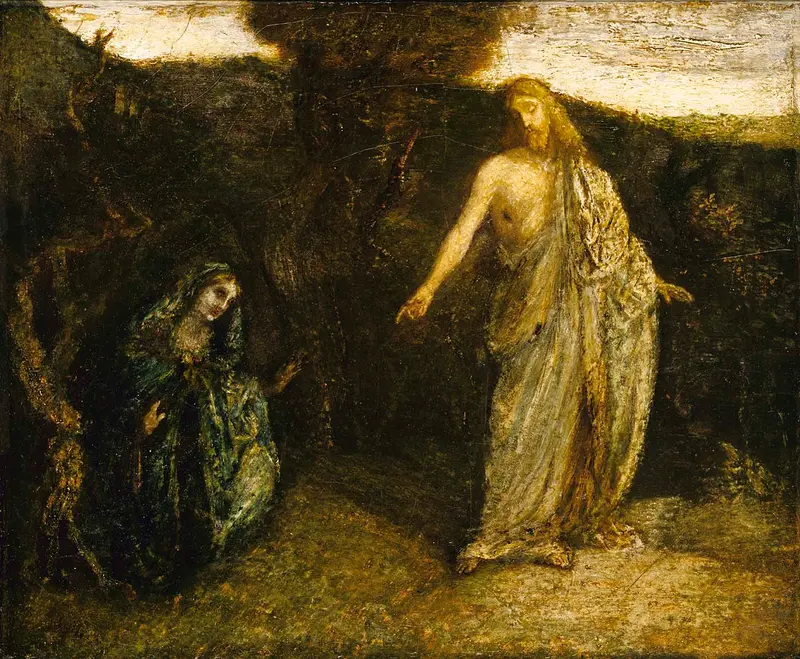
Christ Appearing to Mary
Albert Pinkham Ryder





