
Woman with a Monkey — History & Facts
When Georges Seurat exhibited Woman with a Monkey at the Salon des Indépendants in 1884, it was the first public glimpse of his radical new technique—what would later be called pointillism. This painting, created during the same period as his groundbreaking A Sunday Afternoon on the Island of La Grande Jatte, marks a turning point not just for Seurat, but for the direction of late 19th-century French painting. Critics at the time were divided: some dismissed the meticulous dots as mechanical, while others sensed a revolution in seeing.
The presence of the monkey, an unusual companion for a Parisian lady, only added to the work’s intrigue. At the center of the scene, a fashionably dressed woman strolls along the riverbank, her gloved hand gripping a leash attached to a small monkey. The moment Seurat chooses is one of quiet leisure, yet the composition is charged with coded meaning. In 19th-century art, monkeys often symbolized mischief, exoticism, or even the follies of high society.
The woman’s upright posture, the careful arrangement of her parasol and dress, and the monkey’s alert gaze all suggest a delicate balance between decorum and playfulness. Compared to Édouard Manet’s Young Lady in 1866, where a parrot stands as a symbol of bourgeois display, Seurat’s monkey introduces a note of unpredictability into the otherwise orderly world. The precise provenance of Woman with a Monkey remains uncertain, as records from its early years are sparse. It is believed to have been painted in Paris during Seurat’s most experimental phase, just before he completed his monumental La Grande Jatte.
Unlike some of his larger works, this painting did not pass through the hands of major collectors or museums until the 20th century, when interest in Seurat’s innovations revived. Today, it is recognized as a key step in the artist’s evolution from Impressionism toward the more structured, scientific approach of Neo-Impressionism, and is often displayed alongside studies and sketches from the same period.
More Artworks by Georges Seurat
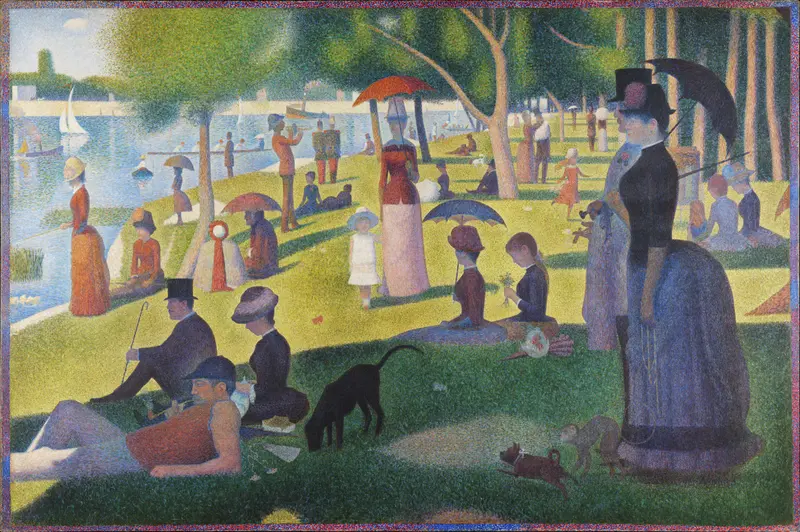
A Sunday Afternoon on the Island of La Grande Jatte
Georges Seurat
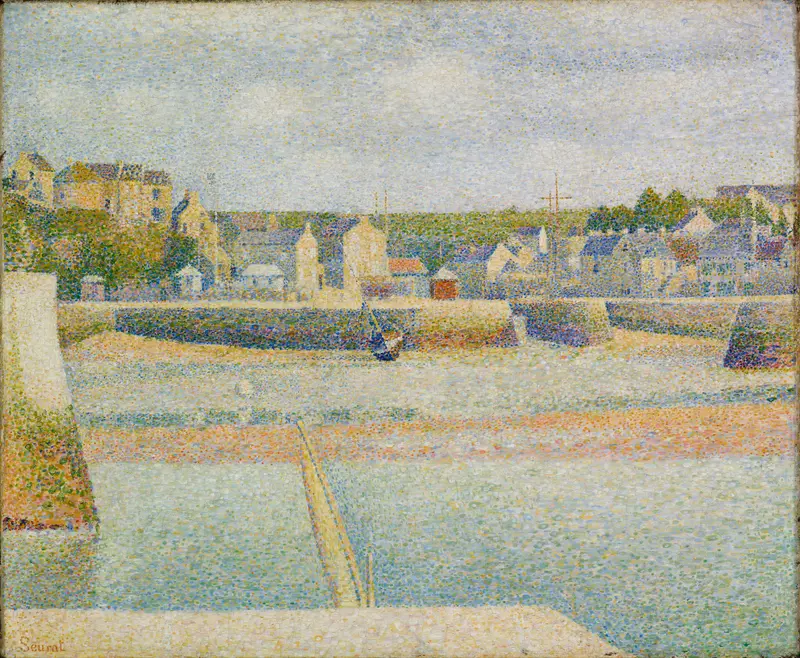
Port-en-Bessin, The Outer Harbor (Low Tide)
Georges Seurat
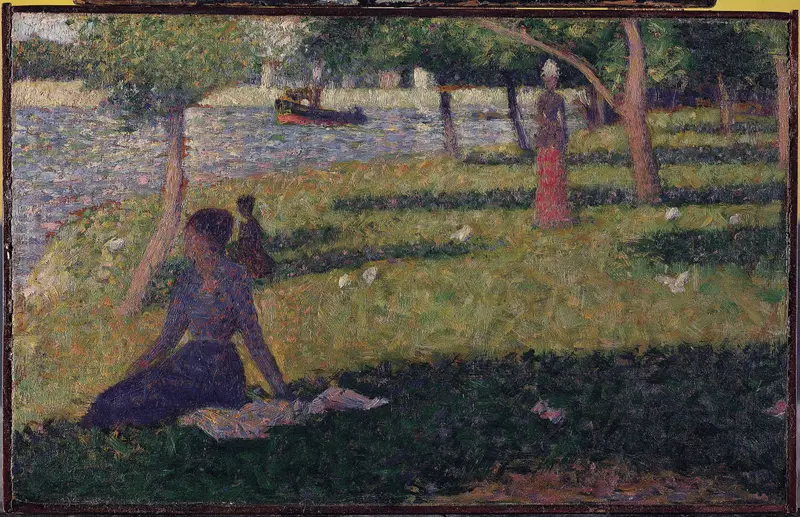
Étude pour ‘La Grande Jatte’ (Study for ‘La Grande Jatte’)
Georges Seurat
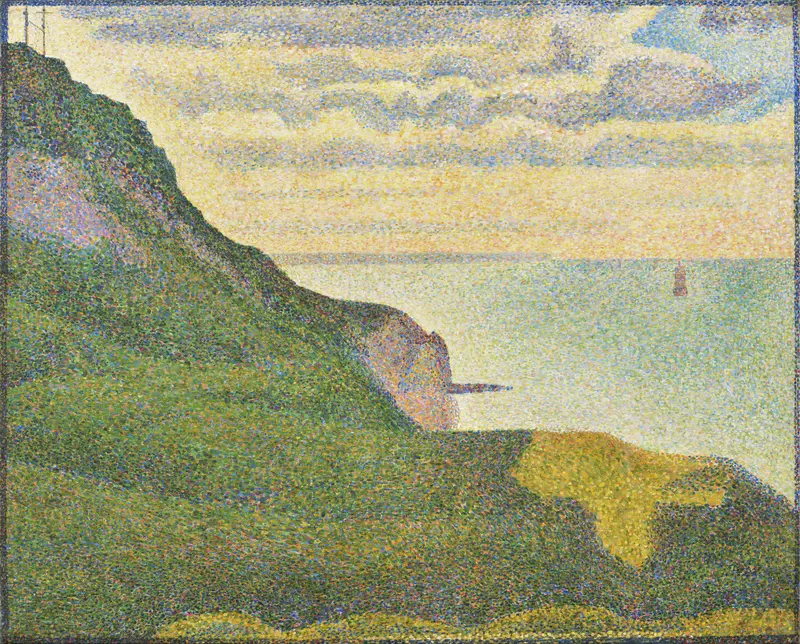
Seascape at Port-en-Bessin,Normandy
Georges Seurat
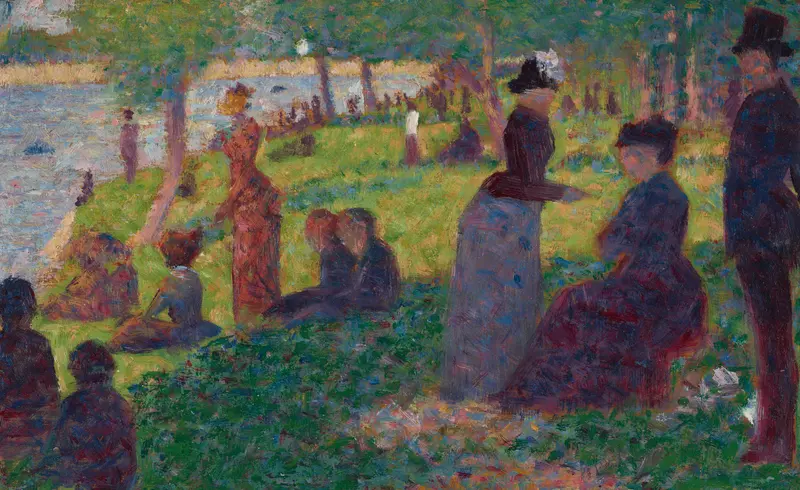
Oil Sketch for "A Sunday on La Grande Jatte — 1884"
Georges Seurat
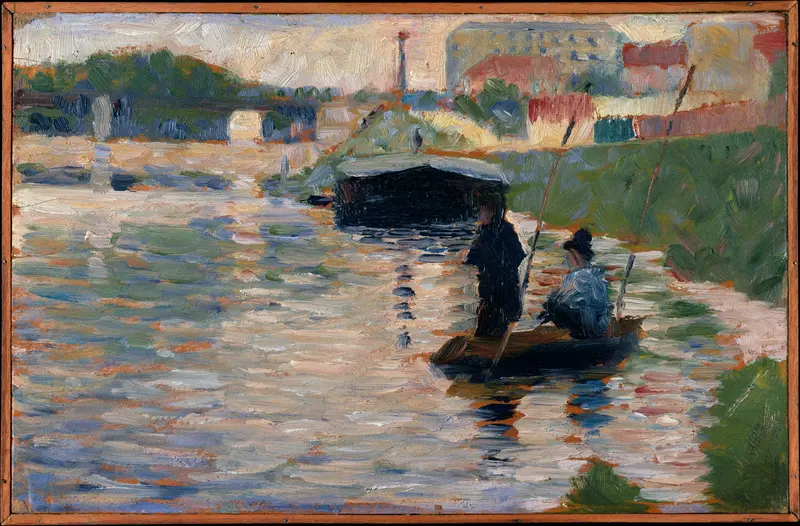
View of the Seine
Georges Seurat
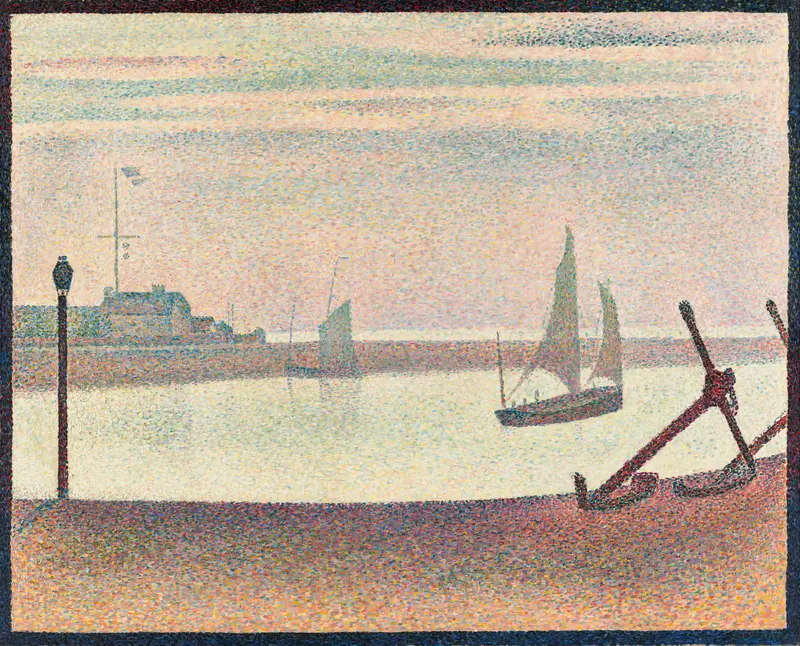
The Channel at Gravelines, Evening
Georges Seurat
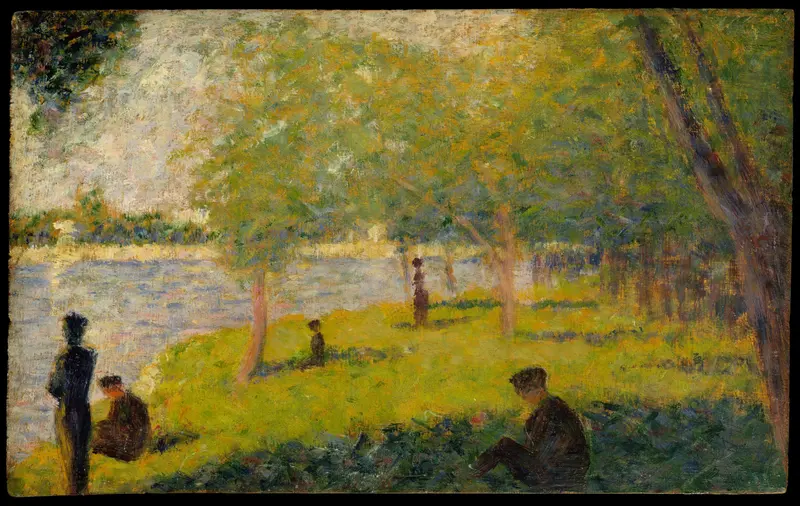
Study for ‘A Sunday on La Grande Jatte’
Georges Seurat
Study for A Sunday on La Grande Jatte
Georges Seurat
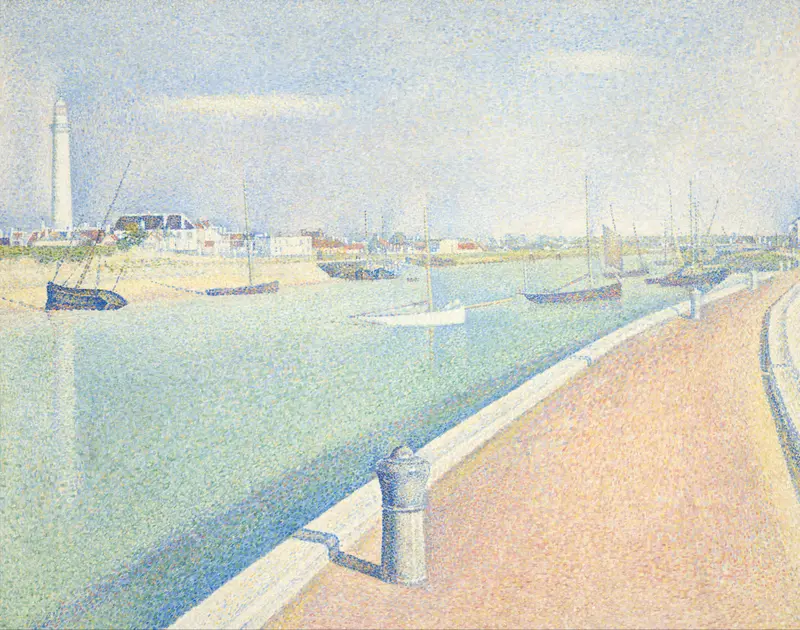
The Channel of Gravelines, Petit Fort Philippe
Georges Seurat
More Genre Scene Art

Banquet of the Officers of the St George Civic Guard
Frans Hals

Rembrandt and Saskia in the Scene of the Prodigal Son
Rembrandt van Rijn

Bal du moulin de la Galette
Pierre-Auguste Renoir

Quadrille at the Moulin Rouge
Henri de Toulouse-Lautrec

A Burial at Ornans
Gustave Courbet

When Will You Marry?
Paul Gauguin