
Blind woman. — History & Facts
No signed or securely attributed painting by Diego Velázquez titled Blind woman. from 1650 is known to exist, and its medium remains undocumented. This uncertainty itself is the most intriguing aspect of the work: scholars have long debated whether such a painting was ever completed by Velázquez during his Italian sojourn of 1649–1651, a period when he produced several portraits and genre scenes of everyday Roman life. The absence of a securely identified Blind woman. in inventories or early sources has fueled speculation, with some suggesting it may be a lost or misattributed work, or perhaps a subject confused with other paintings of the period. If the painting indeed existed, it would likely have captured a moment of quiet dignity, typical of Velázquez's sensitive approach to marginalized figures.
The imagined scene might show a woman seated or standing, her eyes unfocused, hands perhaps resting on her lap or reaching out to sense her surroundings. Velázquez was known for his subtle use of light to model faces and hands, often highlighting the humanity of his sitters rather than their misfortune. This approach can be compared to his The Water Seller of Seville, where the humble subject is rendered with the same gravity as a court portrait, inviting viewers to look beyond surface appearances. The fate of Blind woman. remains a mystery.
No record of its commission or early ownership survives, and it does not appear in the royal inventories that catalogued many of Velázquez's works after his death. If a painting by this title and subject once existed, it may have been lost, destroyed, or misattributed over the centuries—a fate not uncommon for works from the mid-17th century. Today, the painting's story endures more as a question mark in the catalogue of Velázquez's oeuvre, a reminder of the gaps and uncertainties that still haunt the study of Baroque art.
More Artworks by Diego Velázquez

Las Meninas
Diego Velázquez
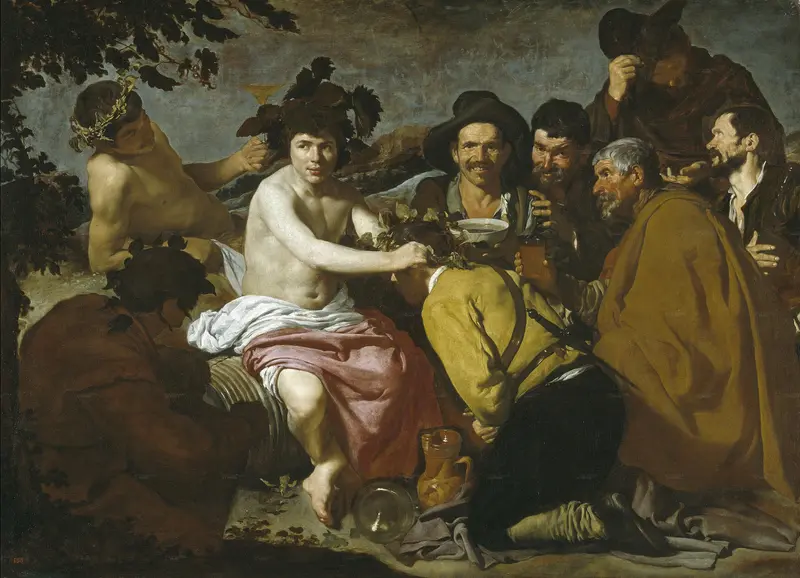
The Triumph of Bacchus
Diego Velázquez
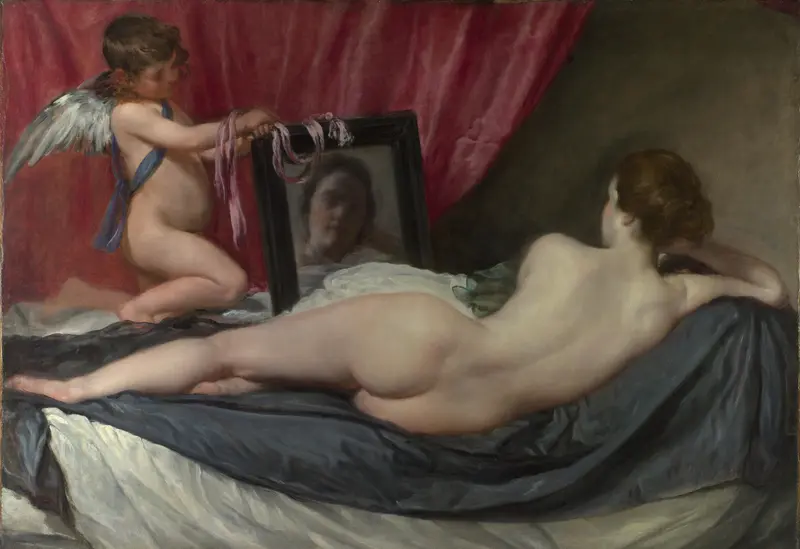
Rokeby Venus
Diego Velázquez
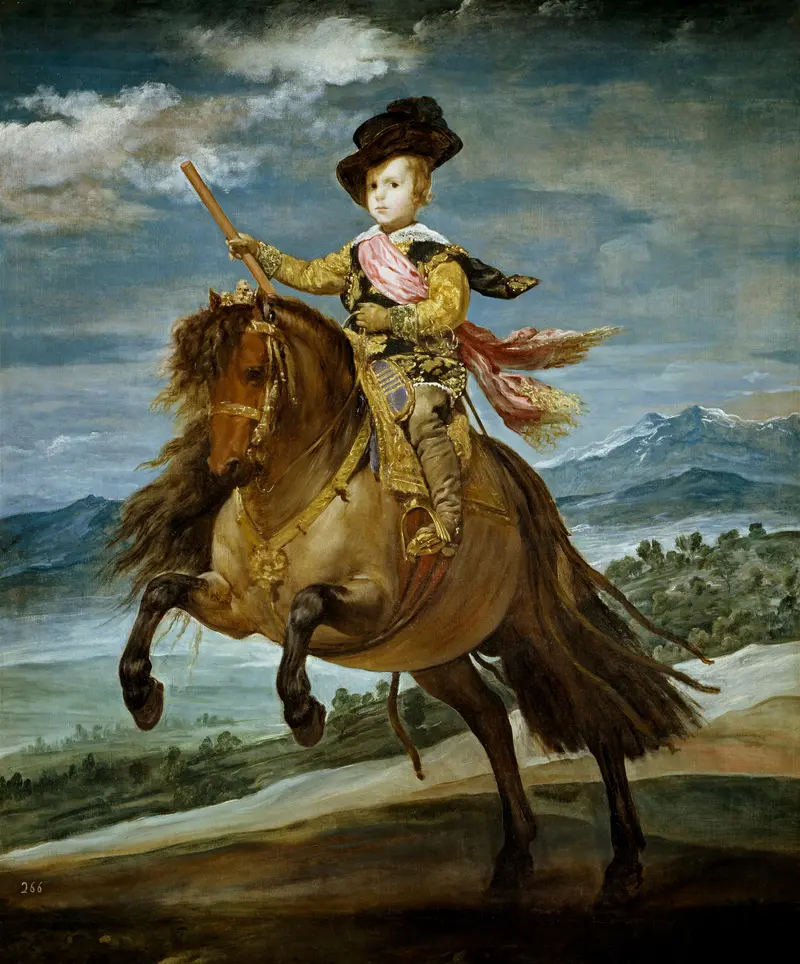
Equestrian Portrait of Prince Balthasar Charles
Diego Velázquez
Bacchus
Diego Velázquez
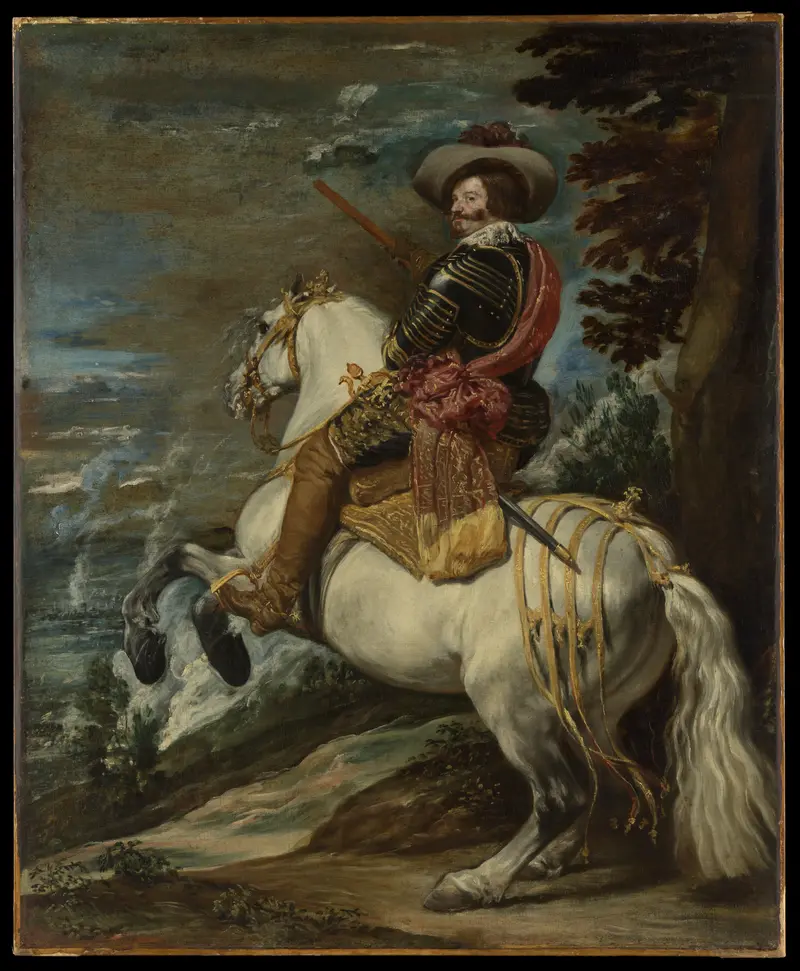
Don Gaspar de Guzmán (1587–1645), Count-Duke of Olivares
Diego Velázquez
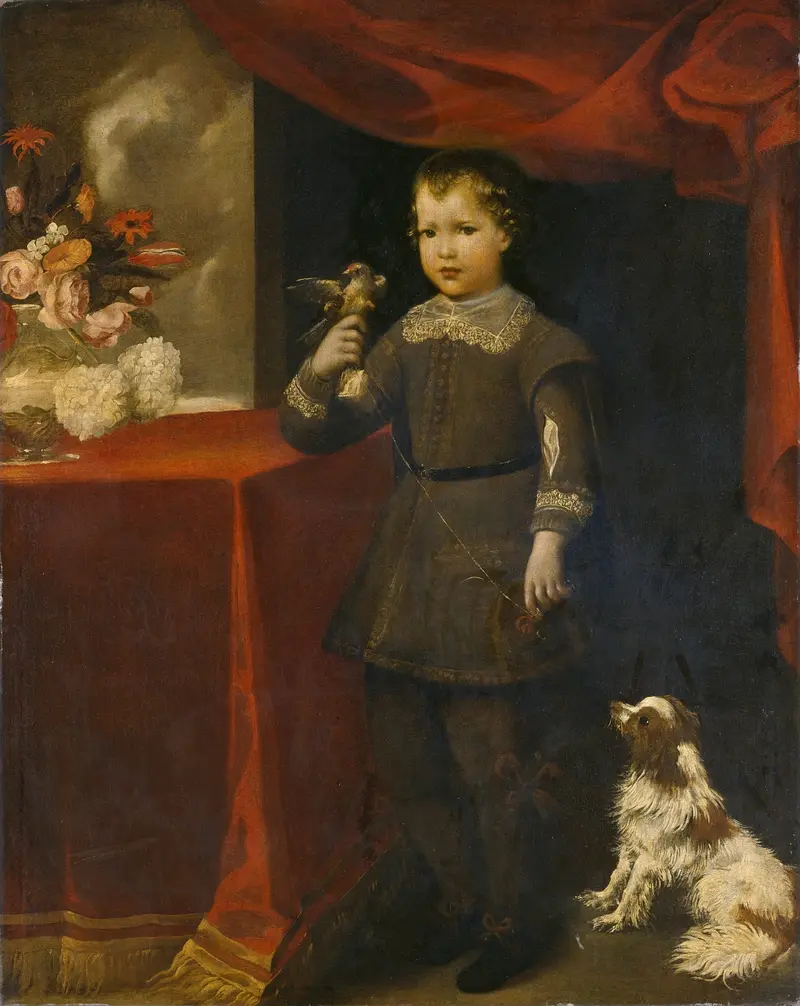
El príncipe Baltasar Carlos de Austria
Diego Velázquez
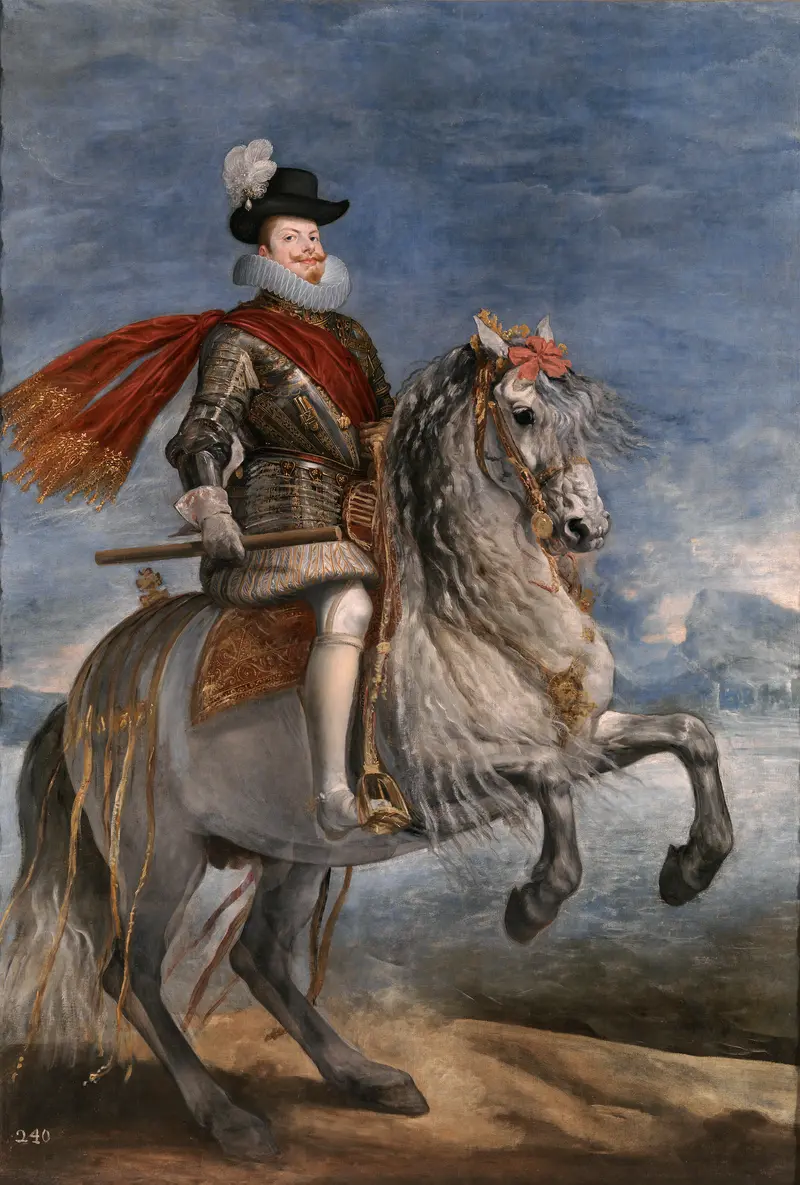
Equestrian Portrait of Philip III
Diego Velázquez
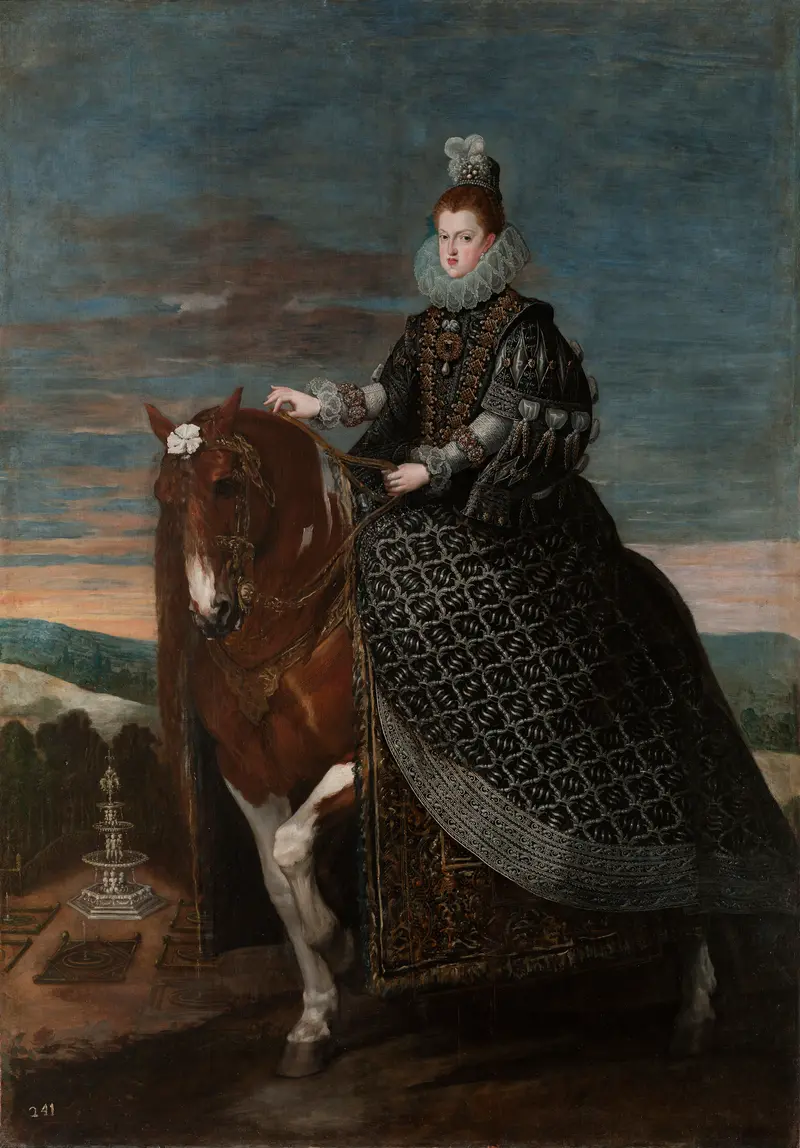
Equestrian Portrait of Margarita of Austria
Diego Velázquez
Las Hilanderas
Diego Velázquez
More Genre Scene Art

Banquet of the Officers of the St George Civic Guard
Frans Hals

Rembrandt and Saskia in the Scene of the Prodigal Son
Rembrandt van Rijn

Bal du moulin de la Galette
Pierre-Auguste Renoir

Quadrille at the Moulin Rouge
Henri de Toulouse-Lautrec

A Burial at Ornans
Gustave Courbet

When Will You Marry?
Paul Gauguin