
Madonna of the Yarnwinder — History & Facts
Few paintings by Leonardo da Vinci have sparked as much intrigue as Madonna of the Yarnwinder, not least because its authorship and original version remain the subject of heated debate. Multiple versions of this composition exist, scattered across collections in Edinburgh, New York, and Madrid, each vying for the title of the original. The painting’s fame was further heightened in 2003, when the so-called Buccleuch version was stolen from Drumlanrig Castle in Scotland, only to be recovered four years later.
This proliferation of versions and the dramatic theft have only deepened the mystery surrounding Leonardo’s intentions and the painting's journey through history. At the heart of the image, the Virgin Mary sits quietly with the Christ Child, who reaches with innocent curiosity for a yarnwinder—a simple tool for winding thread, but here transformed into a cross-shaped object. In Leonardo’s hands, this everyday implement becomes a symbol of Christ’s future Passion, foreshadowing the crucifixion. The child’s gaze is intent, his hand outstretched, while Mary’s expression is both tender and shadowed by foreboding.
The landscape behind them, rendered in soft sfumato, stretches into misty distance, a hallmark of Leonardo’s atmospheric style. Compared to Raphael’s serene Madonnas, Leonardo’s version is suffused with psychological tension, the ordinary moment charged with prophetic meaning. The origins of Madonna of the Yarnwinder are not fully clear, but it is generally believed to have been commissioned by Florimond Robertet, secretary to the King of France, around 1501. The painting’s unfinished quality in some versions, and the involvement of Leonardo’s workshop, have led to ongoing debates about how much of the surviving works are by the master’s own hand.
Over the centuries, the various versions have passed through royal and noble collections, sometimes misattributed or hidden from view. Today, the best-known examples reside in the National Galleries of Scotland and private collections, each offering a slightly different window into Leonardo’s inventive mind at the dawn of the High Renaissance.
More Artworks by Leonardo da Vinci

Sheet of Studies
Leonardo da Vinci
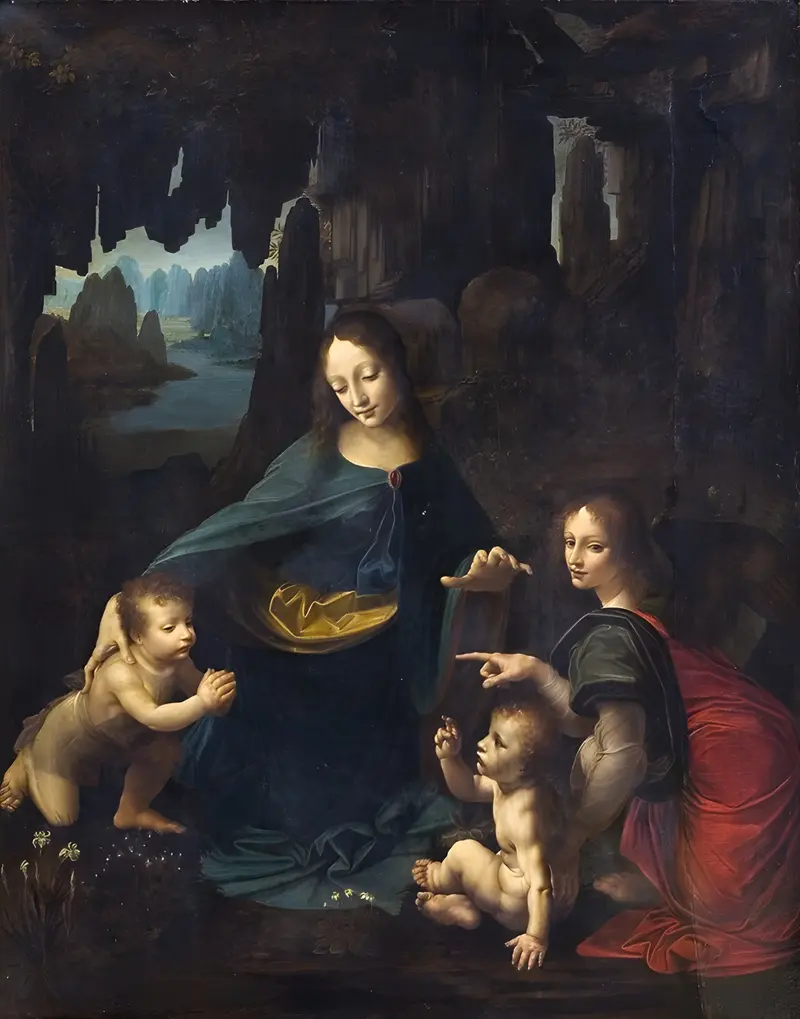
The Virgin of the Rocks
Leonardo da Vinci
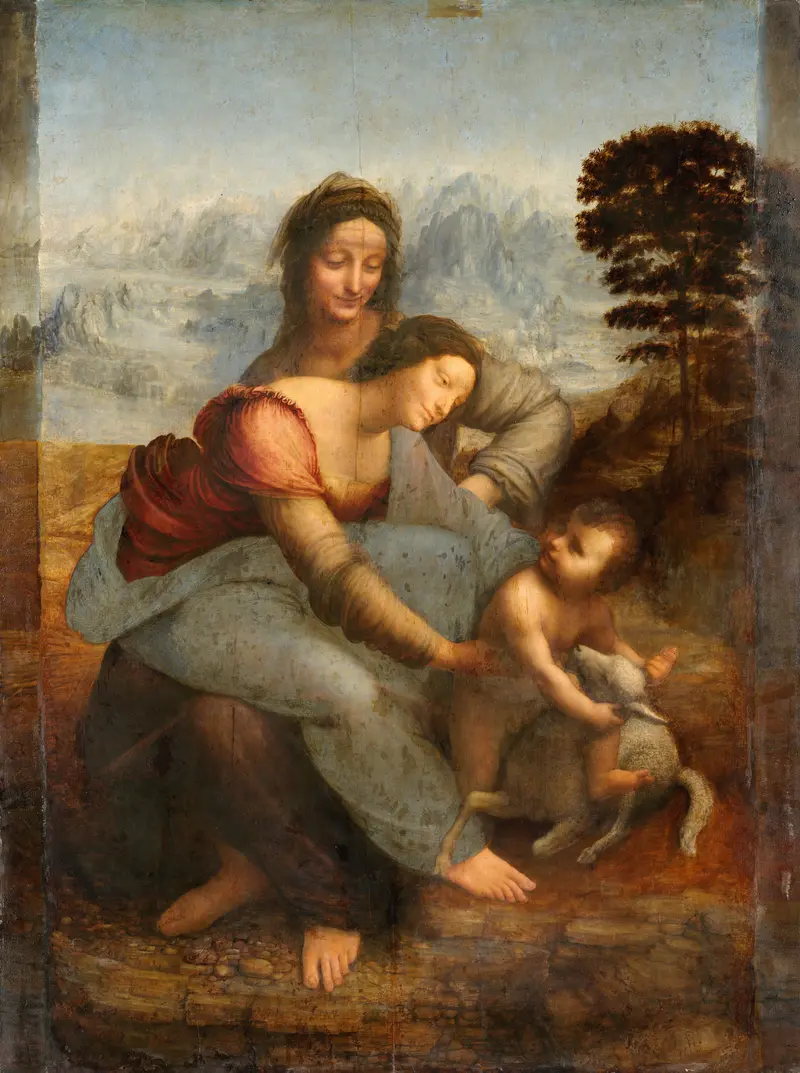
The Virgin and Child with St. Anne
Leonardo da Vinci
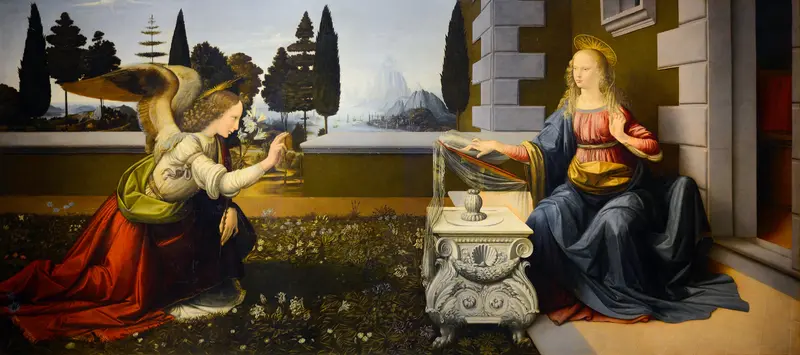
Annunciation
Leonardo da Vinci
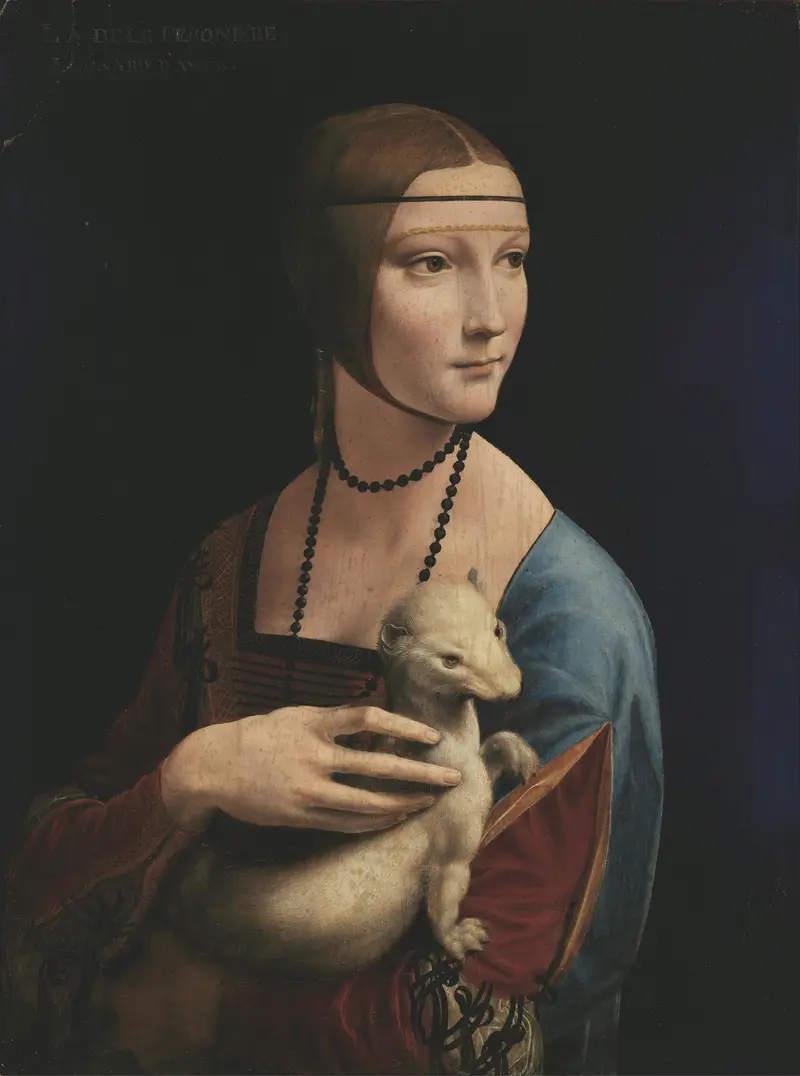
Lady with an Ermine
Leonardo da Vinci
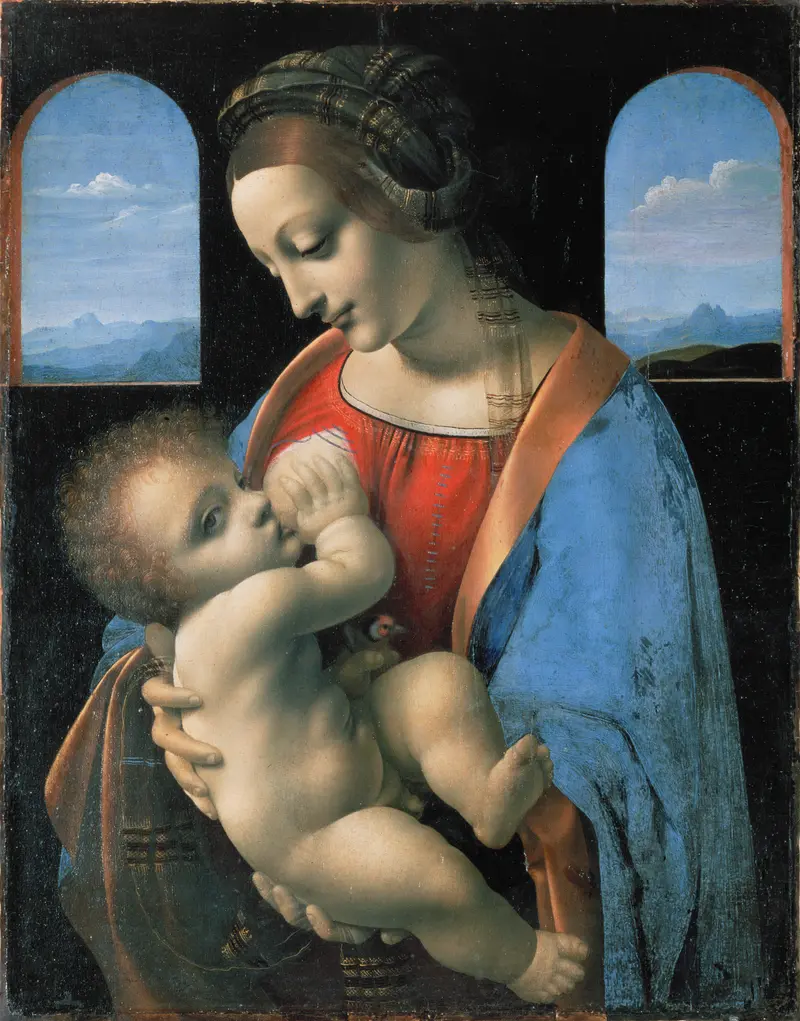
Madonna Litta
Leonardo da Vinci
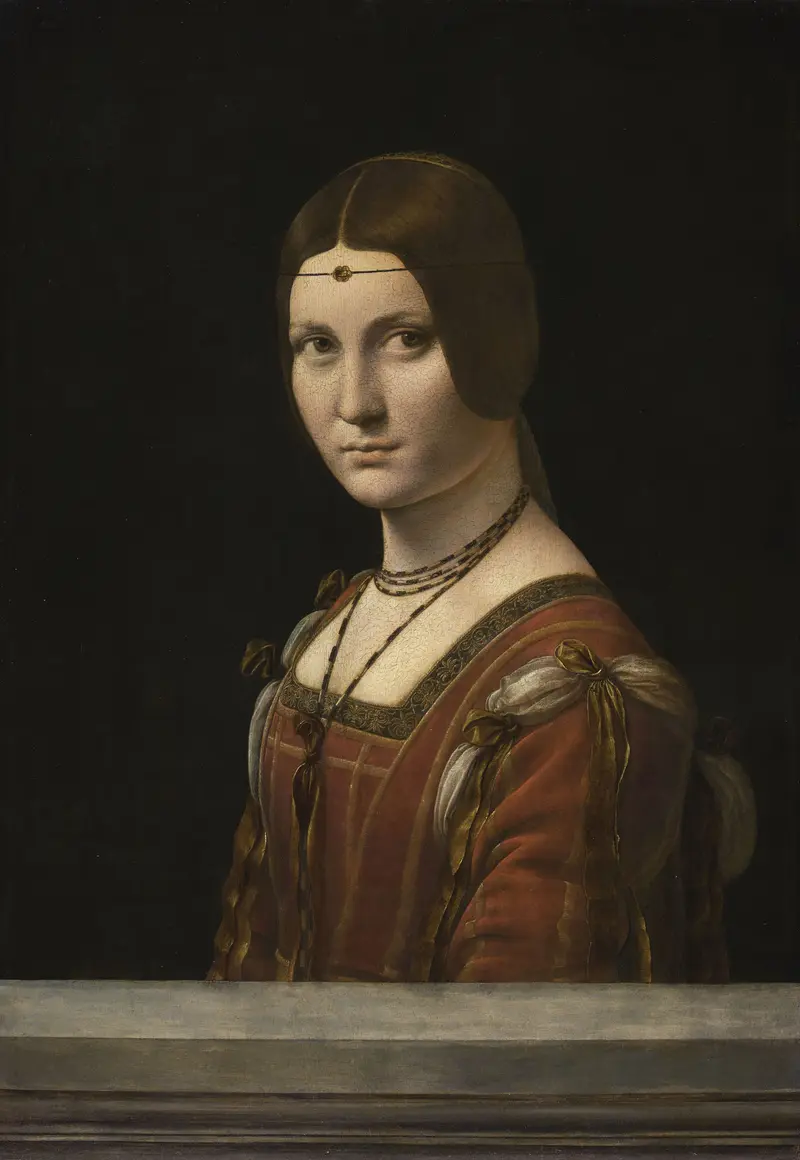
La Belle Ferronnière
Leonardo da Vinci
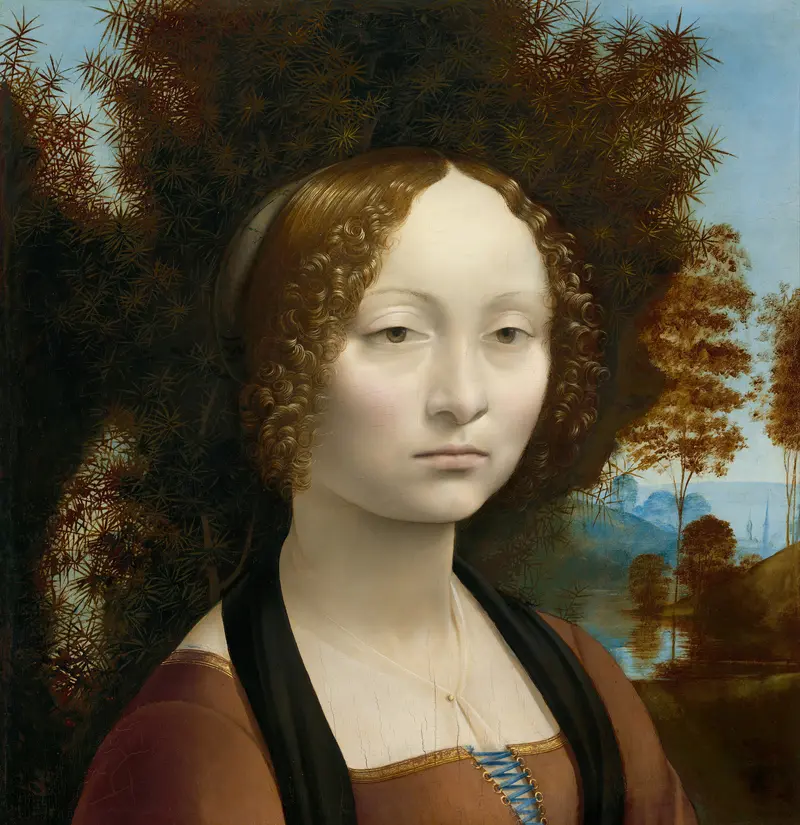
Ginevra de' Benci
Leonardo da Vinci
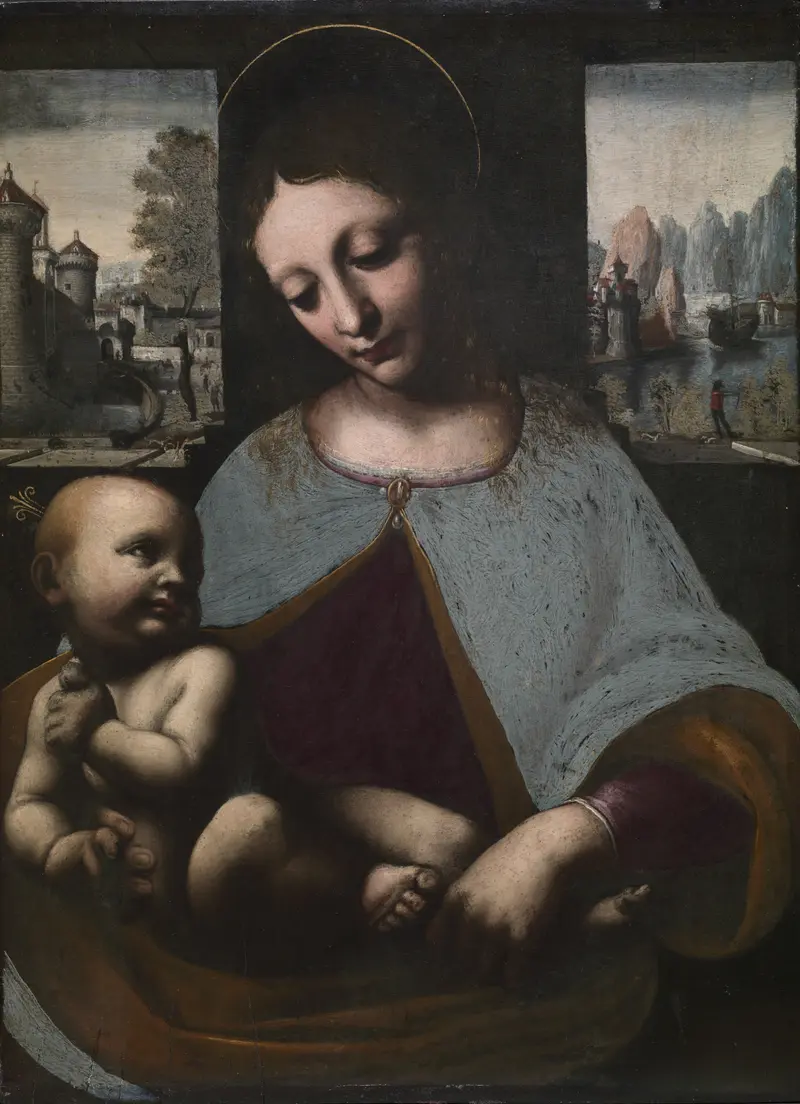
Virgin and Child
Leonardo da Vinci

Head of an Old Man, and Studies of Machinery
Leonardo da Vinci





