
Saint Jerome in the Wilderness — History & Facts
No other painting by Leonardo da Vinci has survived in such an unfinished and fragmented state as Saint Jerome in the Wilderness. Scholars have puzzled for centuries over why this panel, begun around 1480, was never completed and, more dramatically, why it was later cut into pieces—only to be painstakingly reassembled in the 19th century. The work’s battered condition and mysterious interruptions have made it a touchstone for debates about Leonardo’s working methods and the tumultuous circumstances of his early career. In the painting, Leonardo captures Saint Jerome at the most anguished moment of his penance in the Syrian desert.
The aged saint kneels on the rocky ground, his gaunt body twisted in fervent prayer, while his right hand clutches a stone to beat his chest—a gesture of repentance. At his feet, a lion gazes up in quiet loyalty, referencing the legend of Jerome removing a thorn from the animal’s paw. The landscape stretches into a wild, craggy expanse, echoing the saint’s spiritual isolation.
Unlike earlier treatments by artists such as Domenico Ghirlandaio, Leonardo’s Jerome is not a distant scholar but a figure wracked by emotion and physical strain, his anatomy rendered with striking realism and psychological depth. The origins of the commission remain uncertain, and no contemporary records name the patron. After Leonardo left Florence for Milan, the unfinished panel seems to have been abandoned, later cut apart—possibly for reuse—before its fragments resurfaced in Rome centuries later. In the early 1800s, the pieces were recognized as Leonardo’s work and reassembled, though the painting’s original appearance can only be guessed.
Today, Saint Jerome in the Wilderness hangs in the Vatican Museums, its battered surface a testament to both the hazards of history and the restless experimentation of its creator.
More Artworks by Leonardo da Vinci

Sheet of Studies
Leonardo da Vinci
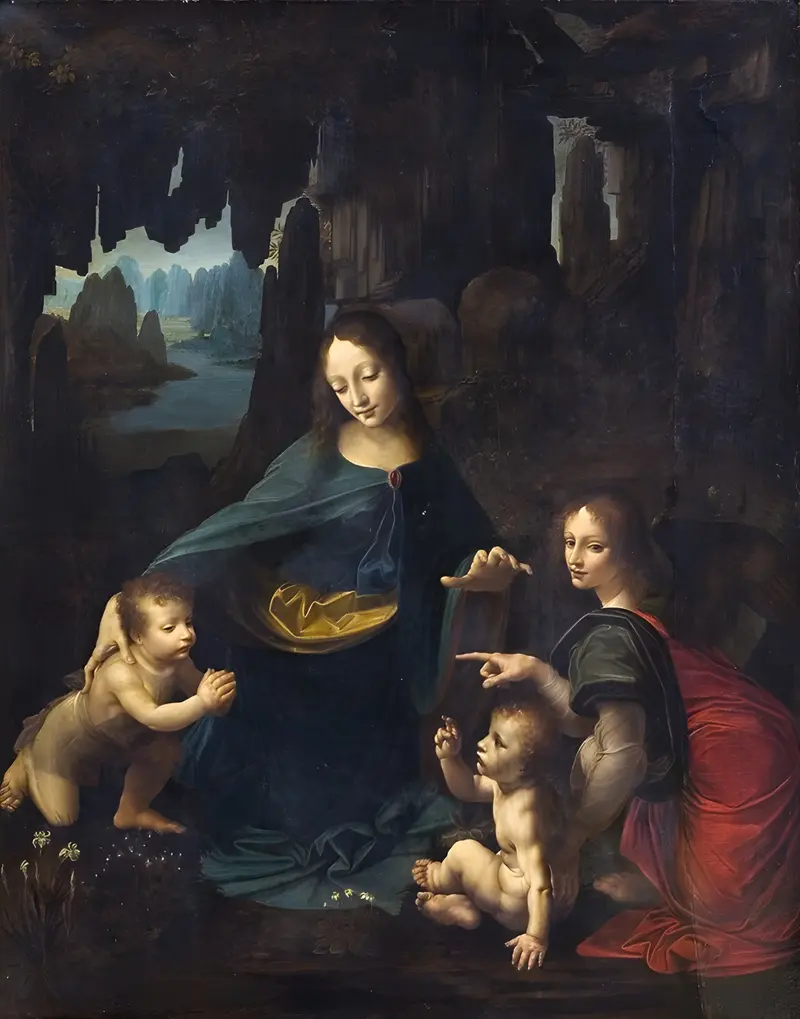
The Virgin of the Rocks
Leonardo da Vinci
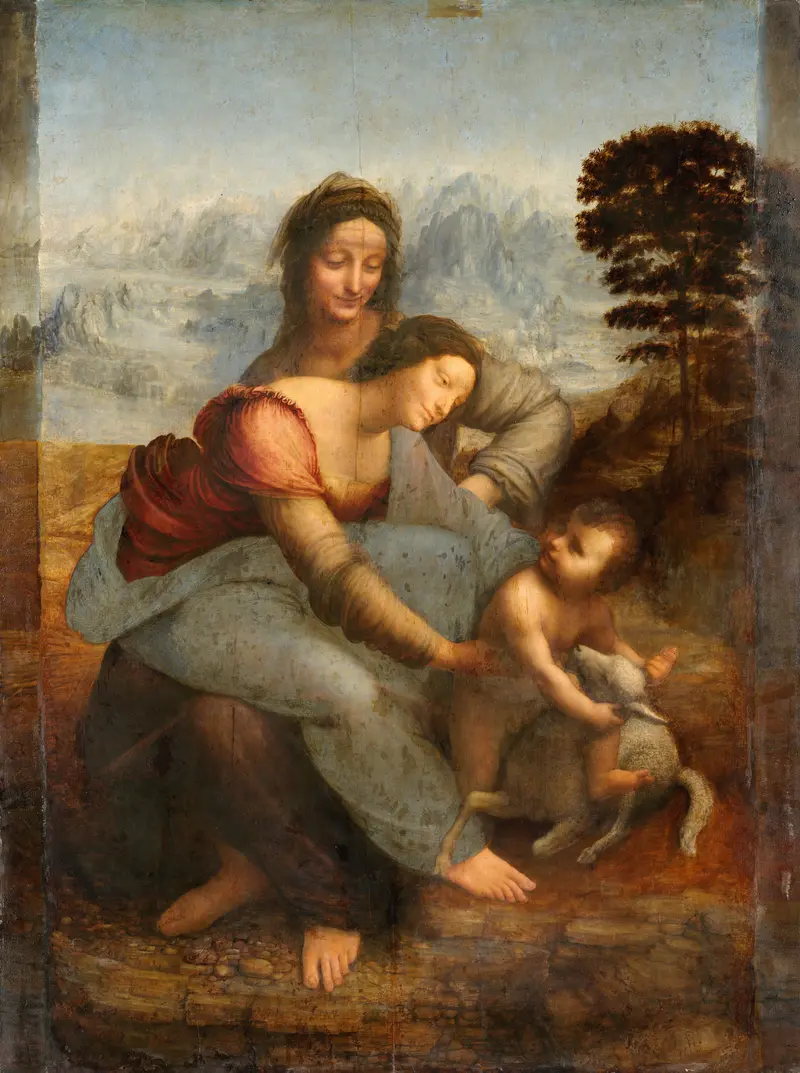
The Virgin and Child with St. Anne
Leonardo da Vinci
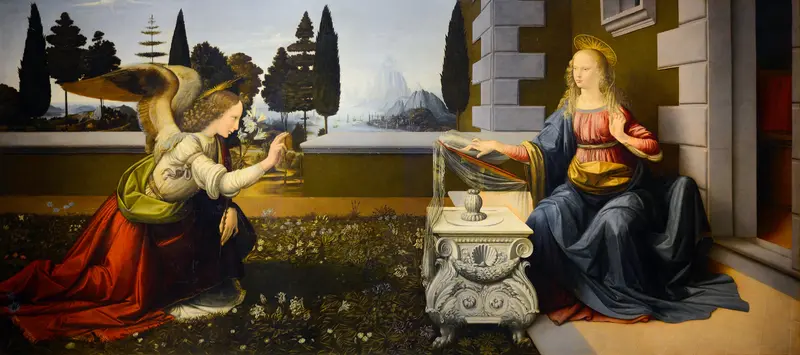
Annunciation
Leonardo da Vinci
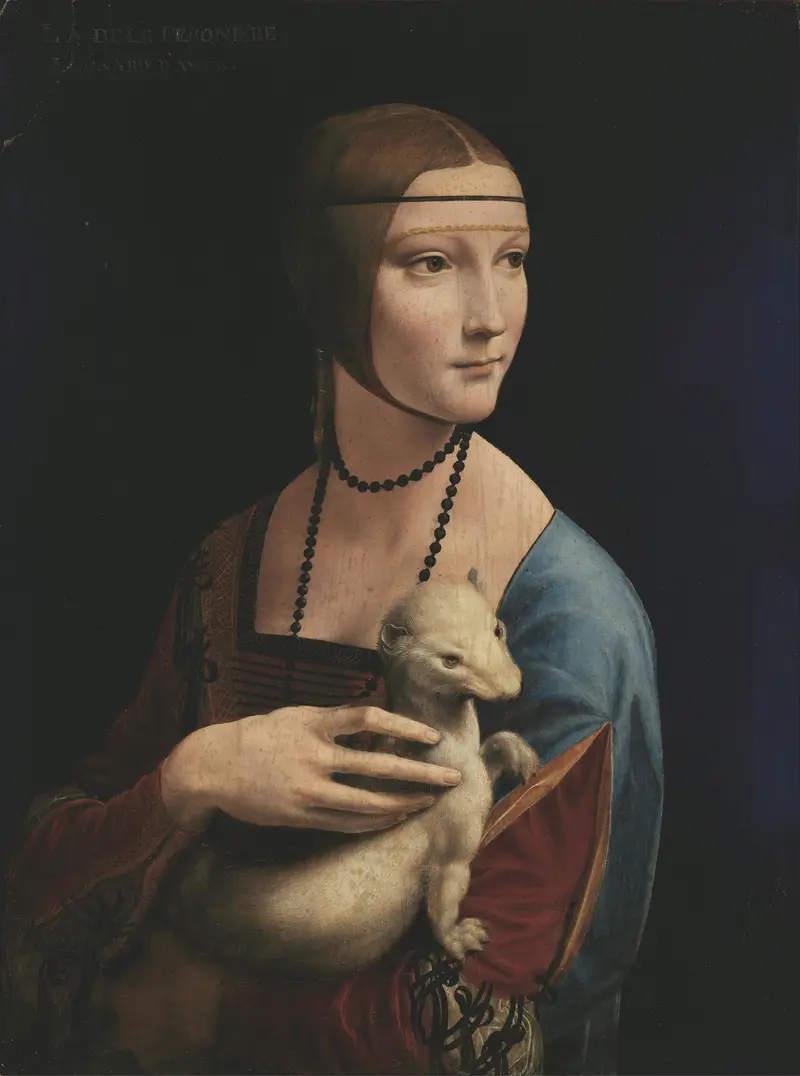
Lady with an Ermine
Leonardo da Vinci
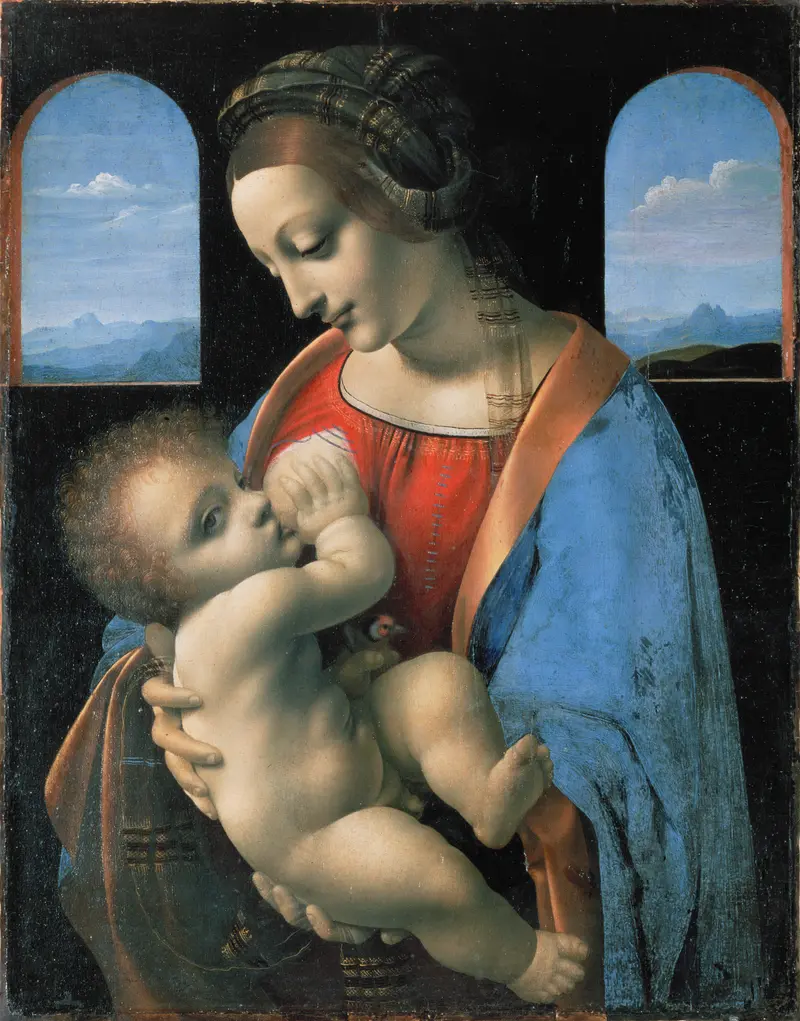
Madonna Litta
Leonardo da Vinci
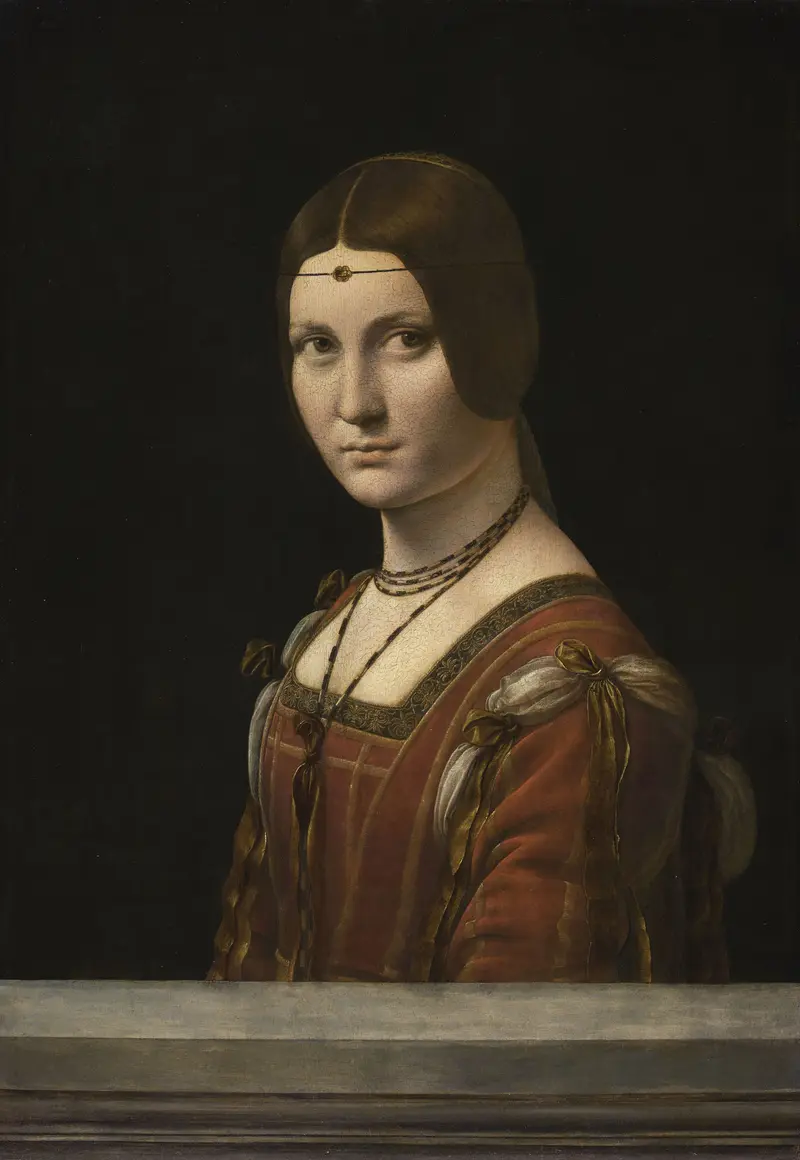
La Belle Ferronnière
Leonardo da Vinci
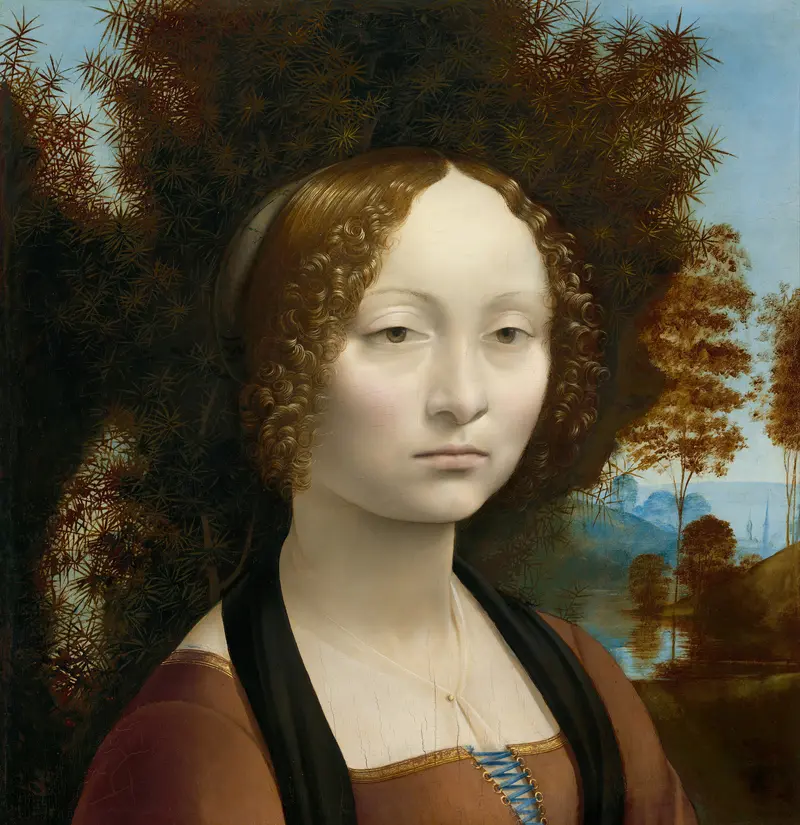
Ginevra de' Benci
Leonardo da Vinci
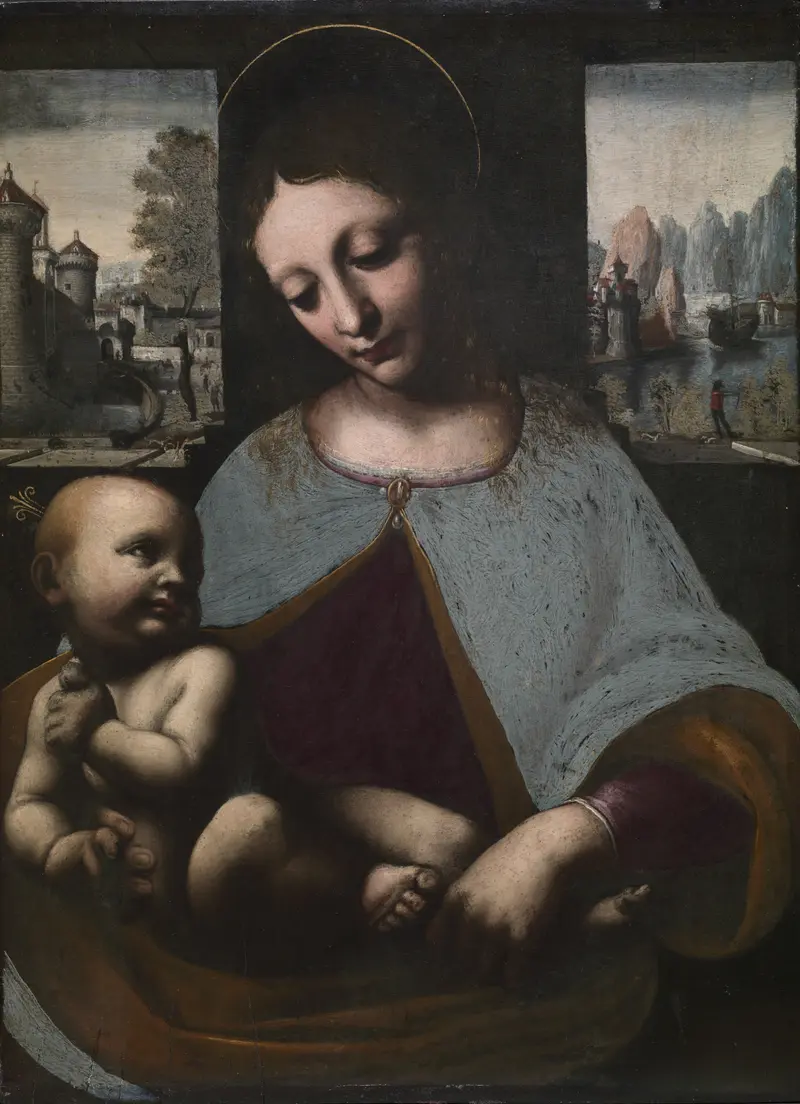
Virgin and Child
Leonardo da Vinci

Head of an Old Man, and Studies of Machinery
Leonardo da Vinci





