
Leda and the Swan — History & Facts
No original painting by Leonardo da Vinci called Leda and the Swan survives today, yet its fame endures through copies and studies, and its very disappearance is one of art history’s great mysteries. Vasari, writing in the 16th century, described seeing Leonardo’s depiction of Leda in Florence, praising its "divine beauty," but by the 18th century, the panel had vanished. Scholars still debate whether the lost work was destroyed, stolen, or simply decayed, but its influence can be traced through a handful of close copies and preparatory sketches attributed to Leonardo and his followers. The painting captures the myth at its most intimate moment: Leda, queen of Sparta, entwined with the swan who is Zeus in disguise.
In Leonardo’s composition, Leda stands or kneels, her body curving protectively around the great bird, while two sets of eggs at her feet hint at the miraculous births to follow—Helen of Troy and her siblings. The softness of Leda’s gaze and the intricate interlacing of limbs and wings create an ambiguous blend of seduction and tenderness. Unlike the more overt sensuality of Correggio’s or Michelangelo’s versions, Leonardo imbues his Leda with a sense of psychological complexity, her expression both yielding and contemplative, the landscape behind her suffused with the gentle sfumato for which he is renowned. Though the original is lost, the painting’s afterlife is rich: copies by Francesco Melzi and Cesare da Sesto—both close to Leonardo—help reconstruct its appearance, and drawings in the Royal Collection and other museums preserve the artist’s evolving ideas.
The commission’s origins remain uncertain, but it likely dates to Leonardo’s years in Milan or Florence, around 1510, a period marked by his fascination with anatomy and nature. Today, the legacy of Leda and the Swan lives on through these echoes, a testament to Leonardo’s enduring power to inspire longing for what is lost as much as admiration for what remains.
More Artworks by Leonardo da Vinci

Sheet of Studies
Leonardo da Vinci
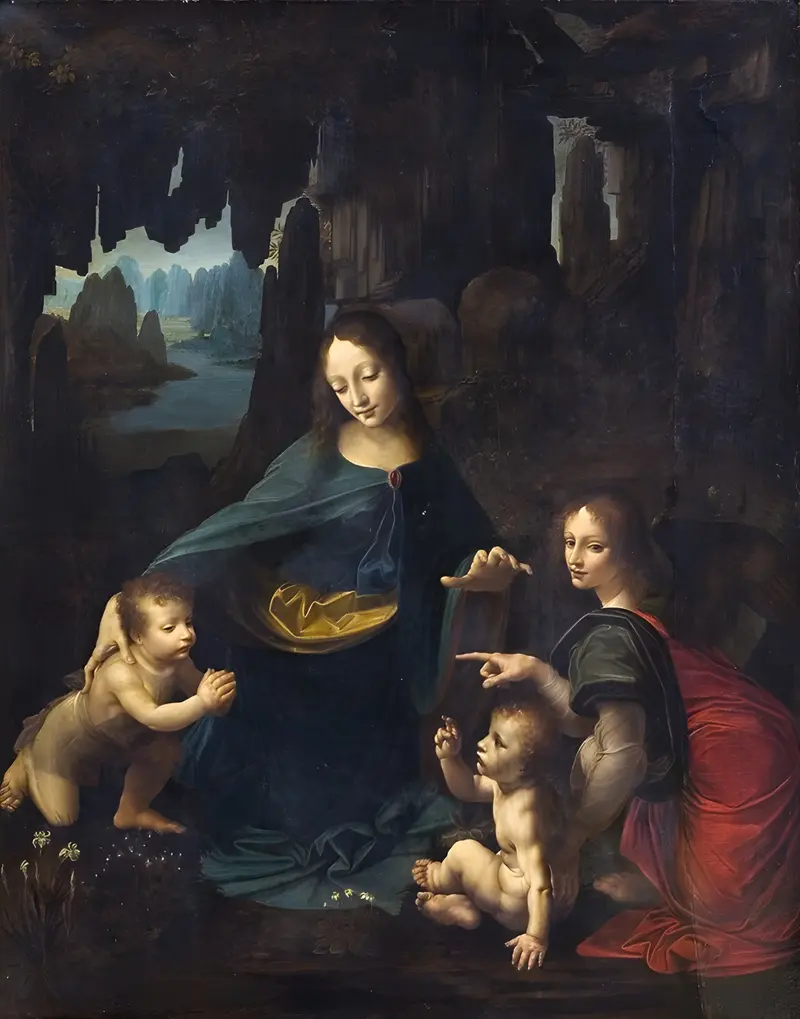
The Virgin of the Rocks
Leonardo da Vinci
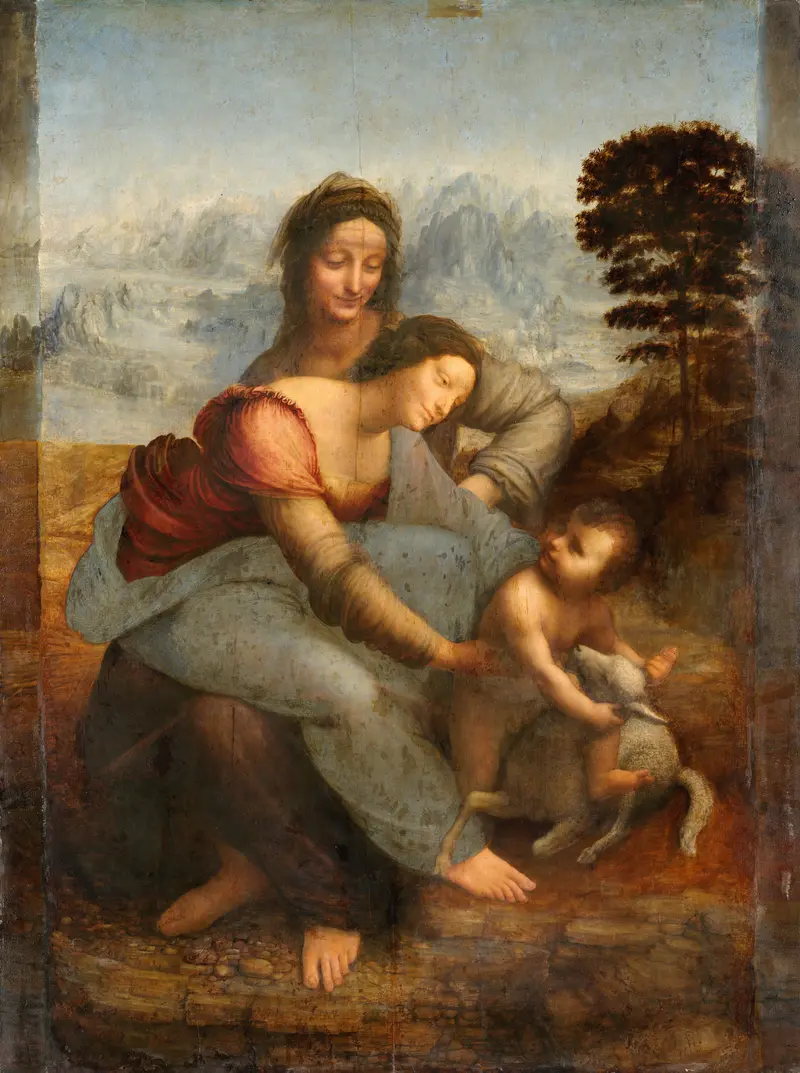
The Virgin and Child with St. Anne
Leonardo da Vinci
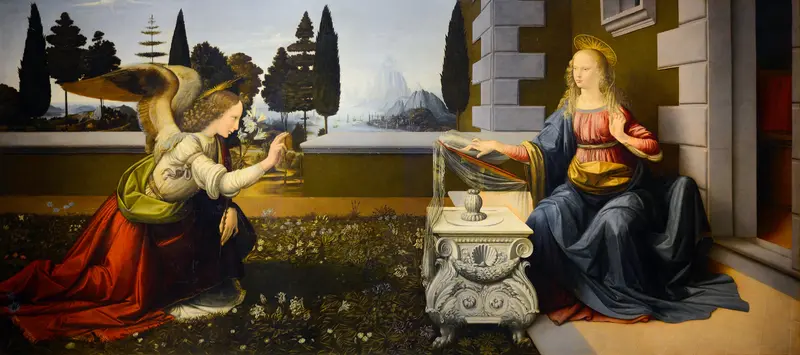
Annunciation
Leonardo da Vinci
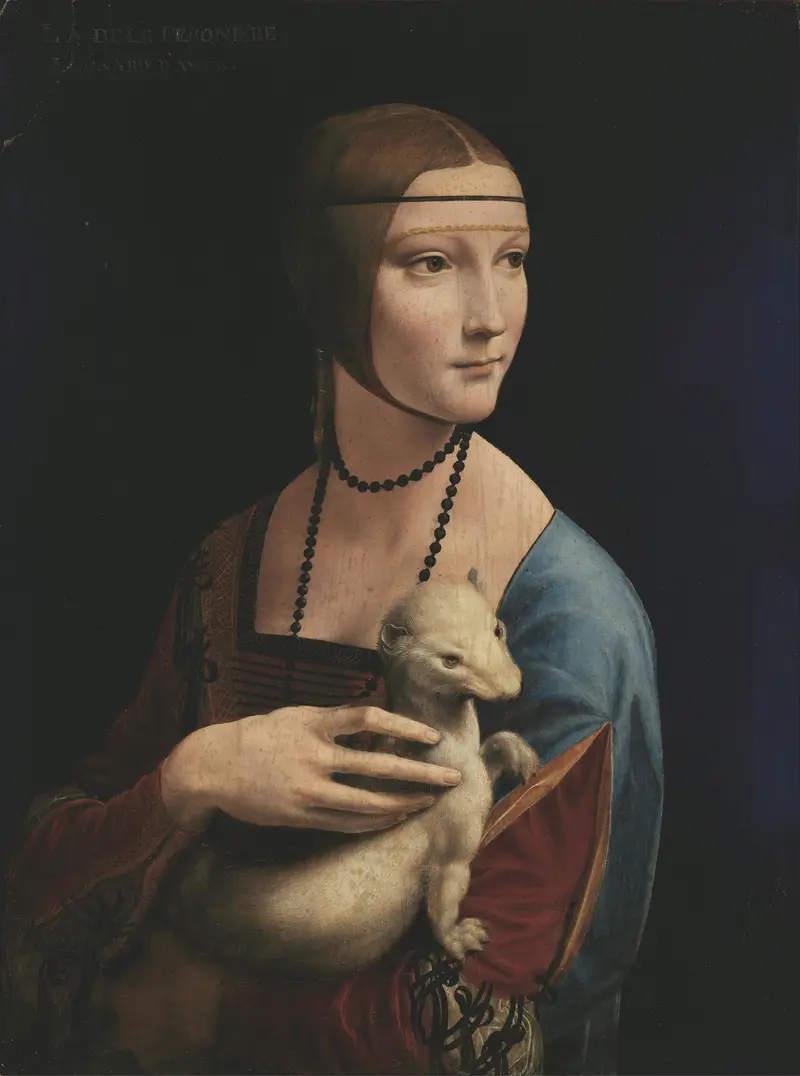
Lady with an Ermine
Leonardo da Vinci
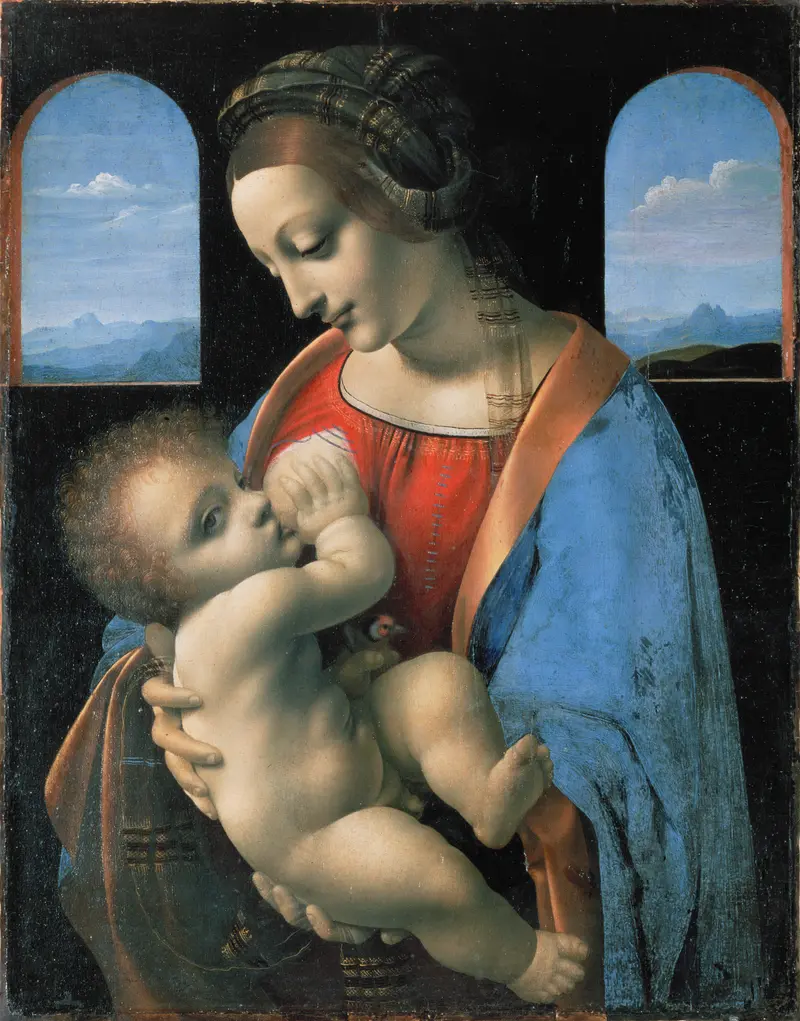
Madonna Litta
Leonardo da Vinci
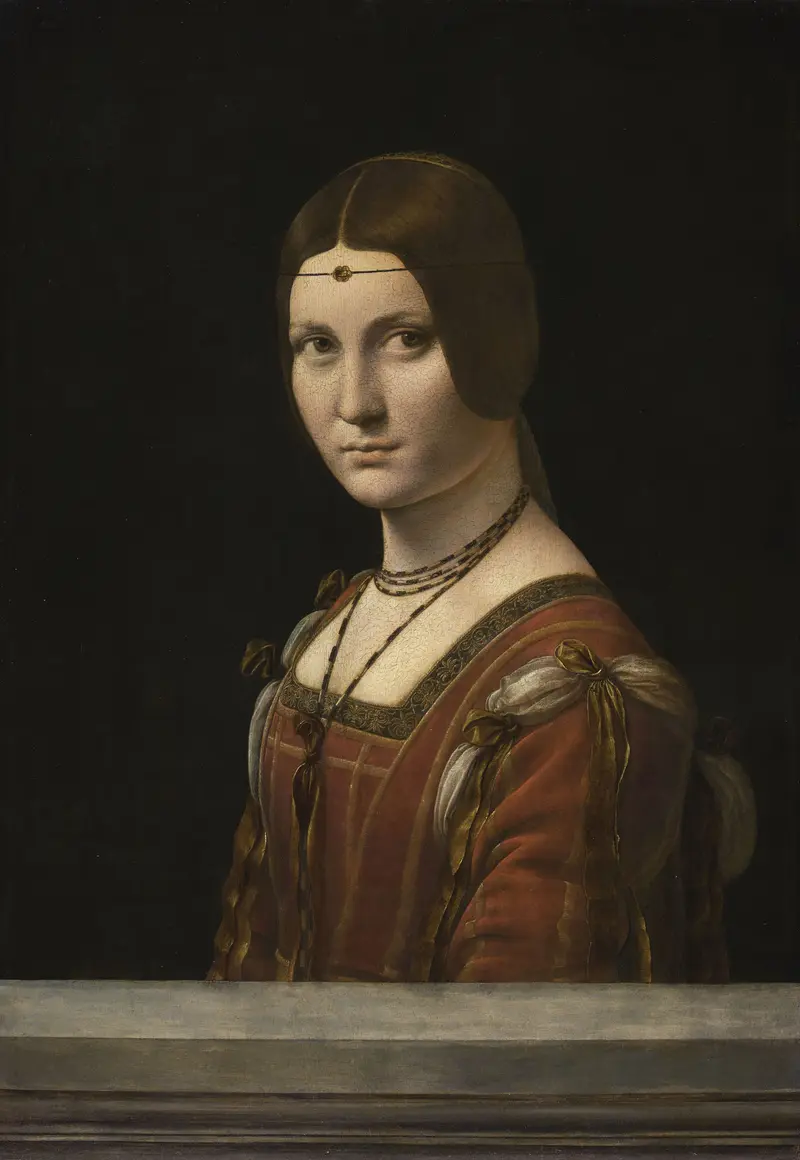
La Belle Ferronnière
Leonardo da Vinci
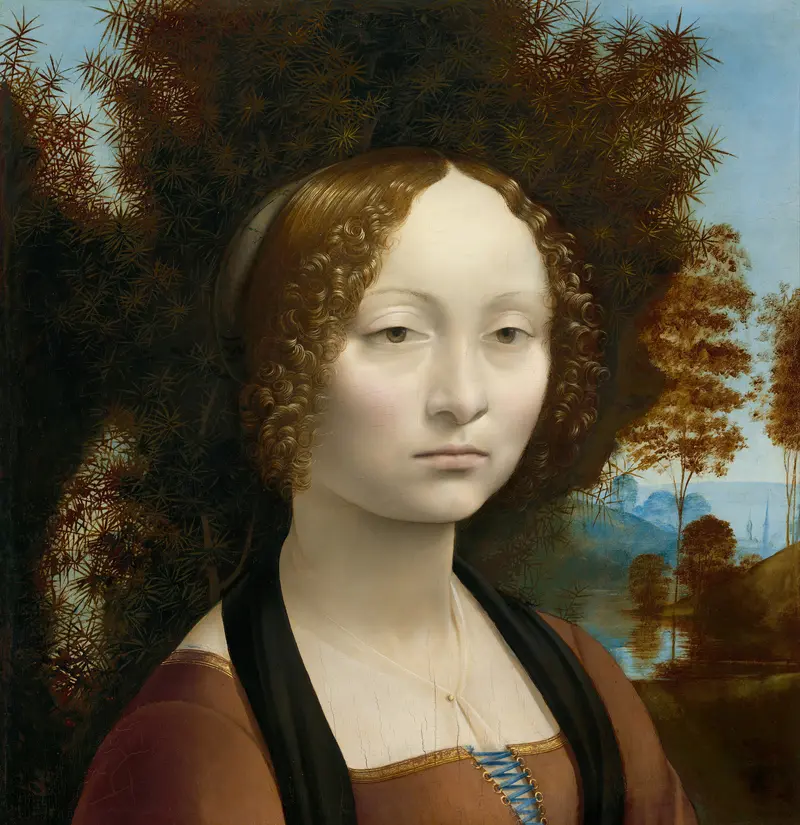
Ginevra de' Benci
Leonardo da Vinci
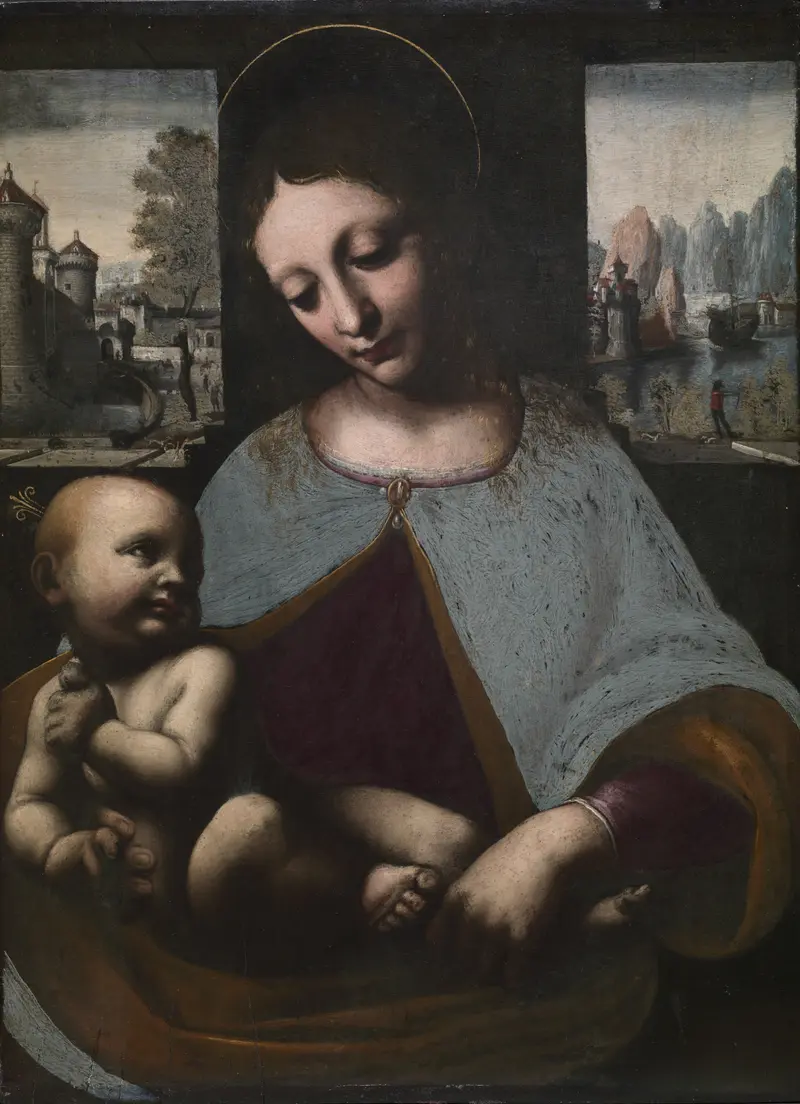
Virgin and Child
Leonardo da Vinci

Head of an Old Man, and Studies of Machinery
Leonardo da Vinci





